
For years, the crunch was the go-to move for anyone who wanted a stronger midsection. But if your lower back protests every time you curl up, or if you simply want a more functional, stable core that supports real-world movement, it's time to rethink the approach. Core stability isn't about how many reps you can grind out on a mat—it's about how well your deep abdominal muscles, obliques, and lower back work together to keep your spine safe during everything from a heavy squat to a simple walk.
These three expert-backed tips will help you build genuine core stability without a single crunch. They focus on controlled movement, full-body tension, and the kind of muscle engagement that actually translates to better strength, better posture, and fewer aches.
1. Master the Plank with Progressive Overload
The plank is the gold-standard replacement for crunches for good reason—it forces your entire core to stiffen and resist movement. But a standard 30-second hold will only take you so far. To build real stability, you need to challenge the core in a way that encourages adaptation without adding spinal flexion.
Begin with a high plank (hands under shoulders, body in a straight line from head to heels) and hold for three sets of 30 to 45 seconds. Once that feels manageable, crank up the difficulty with one of these progressions:
- Shoulder taps — From a high plank, lift one hand and tap the opposite shoulder. Keep your hips as still as possible. This adds an anti-rotation challenge that fires up the obliques.
- Plank with leg lift — While holding a forearm plank, slowly lift one foot a few inches off the ground and hold for two seconds before switching. This forces the deep core to stabilize against a shifting base.
- Long-lever plank — Extend your arms farther forward than shoulder-width; the farther out your hands are, the more your core has to work to keep your torso from sagging.
Expert tip: Breathe. Don't hold your breath during the hold. Steady, controlled breathing helps maintain intra-abdominal pressure and keeps your spine neutral.
2. Embrace Anti-Movement Exercises (Pallof Press and Dead Bugs)
One of the most common misconceptions about core training is that the best moves involve moving your torso toward your knees. In reality, some of the most effective core builders are "anti-movement" exercises, where your job is to stop movement from happening. These moves teach your core to resist external forces, which is exactly what it does when you carry a heavy bag of groceries or brace for impact during a run.
The Pallof Press
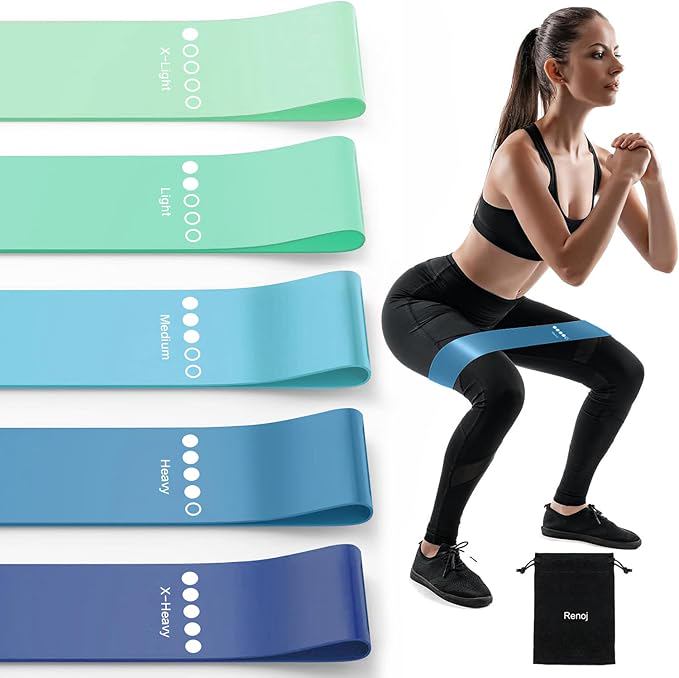
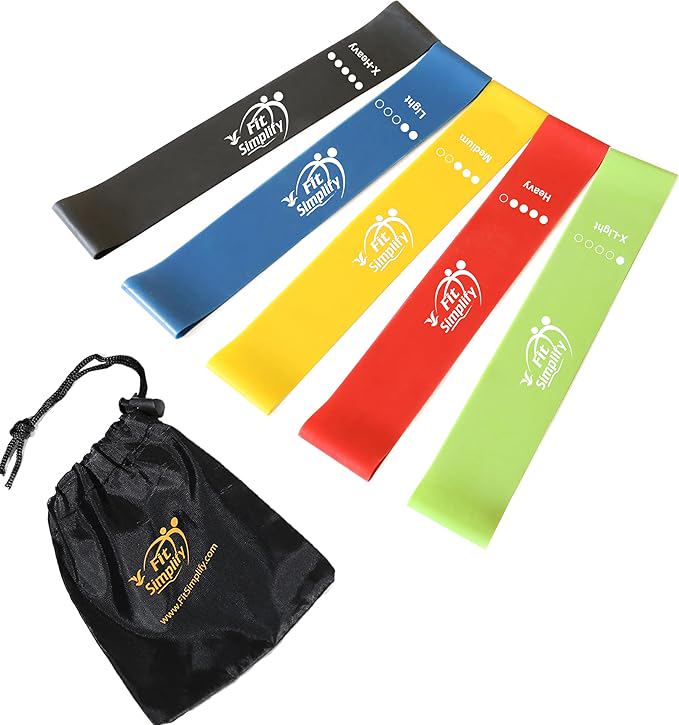
This move requires a cable machine or a resistance band anchored at chest height. Stand sideways to the anchor, hold the handle at your sternum, and press it straight out in front of you. Your goal is to keep your torso absolutely still—do not let the band pull you into rotation. Perform 10–12 slow reps per side, focusing on the eccentric (return) phase. This exercise hits the obliques and deep rotators hard without any spinal flexion.
The Dead Bug
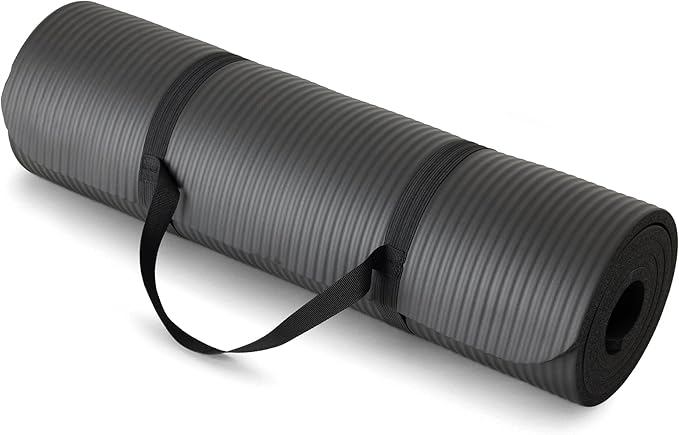
Lie on your back with arms extended straight up and knees bent at 90 degrees (shins parallel to the floor). Slowly extend your right arm overhead and your left leg straight out, keeping your lower back pressed into the mat. Pause for a second, then return to start and switch sides. The dead bug teaches you to coordinate movement of your limbs while maintaining a neutral pelvis and stable spine. It is extremely humbling for even advanced gym-goers.
These two exercises work because they force your core to stabilize against a load—whether that load is the tension of the band or the weight of your own limbs moving away from your center of gravity.
3. Use Isometric Holds to Build Endurance in Your Deep Core
Endurance is a key component of core stability that often gets overlooked. If your deep stabilizers fatigue after ten seconds of standing upright, your lower back and hips will compensate, leading to poor posture and potential injury. Isometric holds—positions where you hold a static contraction without moving—build that endurance effectively.
Incorporate these simple but powerful holds into your routine:
- Side plank with reach — Hold a side plank (on your forearm, feet stacked or staggered). Slowly reach your top arm up and over your head, then back down. Keep your hips lifted the entire time.
- Quadruped holds — Start on all fours, with a neutral spine. Lift your right arm and left leg until they are parallel to the floor. Hold for 10 seconds without wobbling. Switch sides. This mini-endurance test is a fantastic way to build strength in the posterior chain and front core together.
- Farmer's carry — Pick up a heavy dumbbell or kettlebell in one hand and walk for 40 yards. Keep your torso upright and your shoulders level. The offset load forces your oblique and deep core to work overtime to prevent you from leaning to one side.
Why this works: Unlike crunches, which isolate the superficial rectus abdominis, these holds demand full co-contraction of your entire cylinder of core muscles. Over time, you'll notice better posture when sitting and standing, and less lower back fatigue during other lifts.
When you prioritize these three approaches—progressive plank variations, anti-movement drills, and isometric endurance holds—you build a core that functions well, not just one that looks toned. The absence of crunches is not a compromise; it is a smart, sustainable upgrade for anyone serious about strength training without the back pain that often comes with repetitive spinal flexion.