You finish your last set of deadlifts, catch your breath, and walk out of the gym. Stretching? You tell yourself you will do it later. But if you are following a structured strength split—push-pull-legs, upper-lower, or body part specific—you have probably noticed that your joints feel a little creaky, or that your squat depth has plateaued. The missing piece is intentional mobility work, and the good news is that it does not require a separate hour-long yoga session. Adding targeted mobility to your existing routine can improve your range of motion, reduce stiffness, and even help you lift heavier over time.
Here are three expert-backed tips to weave mobility training into your strength split without derailing your progress or making your sessions twice as long.
1. Treat mobility like a warm-up, not an afterthought
The most common mistake lifters make is saving all their stretching for the cool-down. By the time you have finished a heavy squat or bench session, your nervous system is fatigued, and your muscles are already shortened from repeated contraction. Doing a few toe touches at the end may feel productive, but it rarely creates lasting change in your joint range.
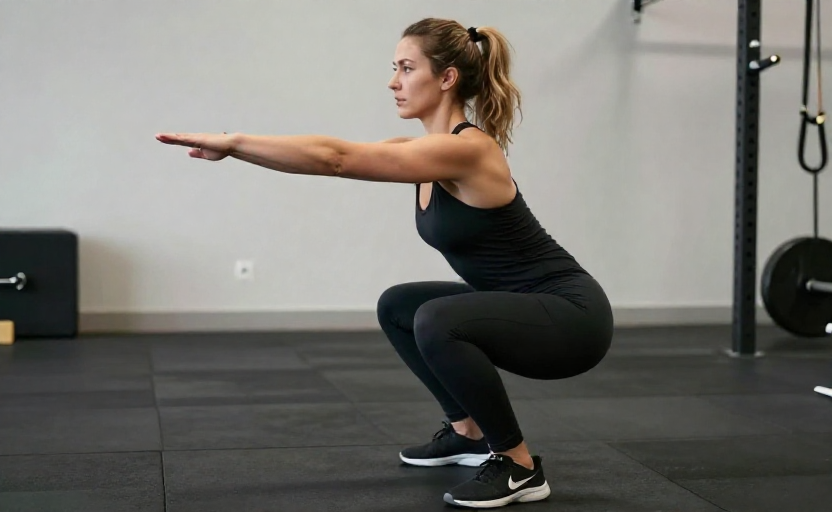
Instead, shift mobility work to the beginning of your session. A 5- to 10-minute block of dynamic mobility can serve as a specific warm-up for the movement pattern you are about to perform. For example, before a squat day, spend a few minutes on deep ankle dorsiflexion drills, hip CARs (controlled articular rotations), and a gentle couch stretch for the quads and hip flexors. This approach prepares your tissues for the load, activates the nervous system for the movement, and gradually increases blood flow.
Dynamic stretching before lifting helps reduce injury risk by preparing muscles and joints for the specific demands of your workout.
It is crucial to avoid static stretching when your muscles are cold. Static holds before heavy lifting can temporarily reduce power output and make your working sets feel heavier. Stick to movement-based drills that take your joints through their available range, and save static holds for after your session or on separate recovery days.
2. Use the off-days and rest periods efficiently
If you are running a four-day or five-day strength split, you likely have at least one or two rest days per week. These are prime opportunities for a focused mobility session that does not compete with your lifting goals. A 15-minute routine on a rest day—targeting the shoulders, hips, and thoracic spine—can accelerate recovery and improve your positioning under the bar without adding fatigue.
You can also sneak in mobility work during your rest periods within a lifting session. Between sets, instead of scrolling through your phone, try one or two light mobility drills that open up the joints you just used. For instance, after a set of overhead presses, spend 60 seconds doing a banded shoulder distraction or a doorway pec stretch. This keeps your tissues warm and can reduce the feeling of tightness that builds up across multiple sets.
Be mindful not to overdo it. Mobility work should feel like a gentle expansion, not a painful stretch. If you feel sharp pain or intense pulling, ease off. The goal is to gradually improve range of motion, not force it in one session.
3. Prioritize the joints that limit your main lifts
Instead of trying to loosen up your entire body equally, focus your mobility work on the specific joints that restrict your key lifts. Most strength athletes have a few common bottlenecks: tight ankles that prevent squat depth, stiff hips that limit hip hinge mechanics for deadlifts, or poor thoracic extension that makes overhead pressing feel awkward.
Spend one week assessing which part of your body feels the most restricted during your main exercises. If you notice that your low back rounds at the bottom of a deadlift, the problem is often tight hamstrings and poor hip hinge patterning—not just a weak back. Dedicate two minutes before each session to drills that address that specific limitation, such as a banded hamstring floss or a hip hinge with a dowel on your back to maintain a neutral spine.
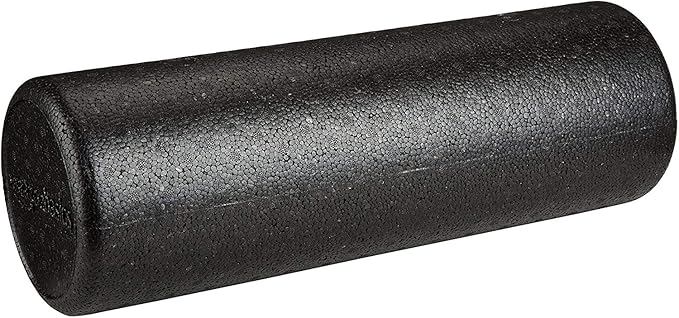
Using a foam roller before your mobility work can help relax overly tight fascia and muscle tissue. For example, if your pectorals are chronically tight from bench pressing, rolling out the chest for one minute before doing a doorway stretch can make the stretch more effective and allow your shoulders to sit in a healthier position.
Consistency beats intensity when it comes to mobility. A few minutes every day is far more effective than one long session per week.
Finally, keep a simple log of your range of motion progress. It can be as low-tech as filming your deepest squat or overhead position once a month. Seeing small improvements over time reinforces the habit and helps you understand which techniques work best for your body. Strong, mobile joints are built by consistent small efforts, not by occasional marathon stretching sessions.