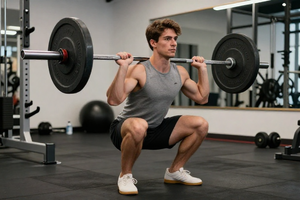
You've been pushing hard in the gym, but lately your body feels off. Maybe you're waking up exhausted, your muscles ache beyond normal soreness, or your performance has plateaued — or even dropped. These are classic signs of overtraining syndrome, a state where your body hasn't recovered enough from the stress of exercise. While rest and nutrition are front-line fixes, what you drink can either help or hurt.
We spoke with sports dietitians and exercise physiologists about which beverages can worsen overtraining symptoms. Here are three drinks they recommend cutting back on when your body is already under strain.
1. High-caffeine energy drinks
That pre-workout can or oversized iced coffee might feel like a lifesaver when you're dragging, but experts say caffeine in high doses can backfire when you're overtrained. Overtraining puts your nervous system in a chronic state of sympathetic activation — essentially, your fight-or-flight mode is stuck on. Adding a potent stimulant like caffeine can push that system further into overdrive.
Why it's a problem: Caffeine increases cortisol output and can interfere with deep sleep, which is already compromised during overtraining. Poor sleep means even less recovery, creating a vicious cycle. One 2020 review in Sports Medicine noted that caffeine consumption can amplify markers of stress in athletes already experiencing high training loads.
What experts suggest: Instead of relying on energy drinks that pack 200–300 mg of caffeine per can, try green tea if you need a gentle lift — it has less caffeine and contains L-theanine, an amino acid that promotes calm focus. Some athletes find that switching to half-caff coffee or skipping afternoon caffeine entirely helps restore sleep quality within a few days.
2. Heavy alcohol
After an intense week of training, a beer or a glass of wine might seem like a well-earned reward. But when overtraining symptoms are present, alcohol does more harm than good. It's a depressant that disrupts sleep architecture — particularly REM sleep — and impairs muscle protein synthesis.
Why it's a problem: Overtraining already depletes muscle glycogen stores and increases muscle breakdown. Alcohol inhibits the hormones responsible for repair, including testosterone and growth hormone. A 2019 study in Nutrients found that even moderate alcohol intake after exercise lowered rates of muscle protein synthesis by 37%. If your recovery is already sluggish, alcohol makes it worse.
What experts suggest: Limit alcohol to one drink, occasionally, and never right after a workout. Many sports dietitians recommend a 'two-hour rule' — wait at least two hours after exercise before any alcohol, and keep it with food and water. For social events, try sparkling water with a splash of bitters or a non-alcoholic beer.
3. Sugary sports drinks and sodas
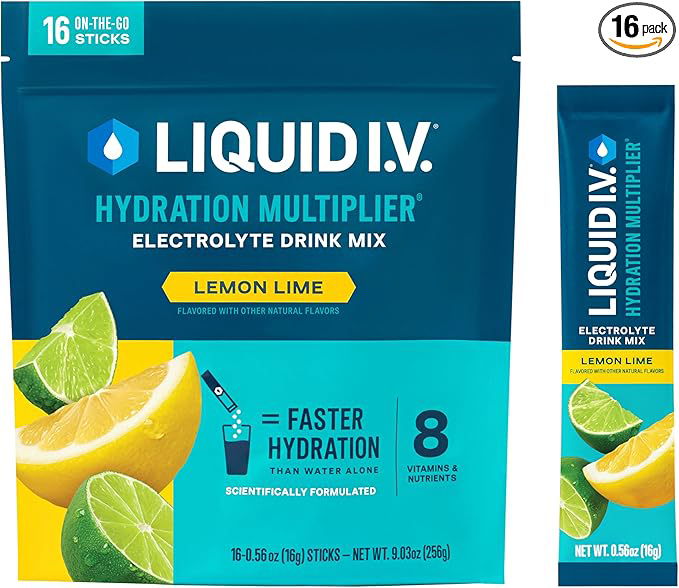
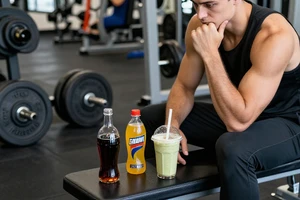
This one surprises a lot of gym-goers. Sports drinks are designed to replenish electrolytes and carbohydrates during prolonged endurance exercise — not for daily hydration or recovery from overtraining. When you feel overtrained, your insulin sensitivity can be impaired, and a surge of simple sugars may exacerbate inflammation.
Why it's a problem: Many popular sports drinks contain around 20–35 grams of sugar per serving, mostly high-fructose corn syrup or sucrose. Chronic high sugar intake raises inflammatory markers like C-reactive protein. Overtraining is already an inflammatory state, so adding metabolic stress from sugar can prolong recovery. Sodas and sugary iced teas are just as problematic — they provide no useful electrolytes and spike blood glucose.
What experts suggest: Stick to water as your primary hydrator. For electrolyte replacement, choose an unsweetened electrolyte tablet or add a pinch of salt and splash of lemon juice to water. If you need carbohydrates for an upcoming workout, get them from whole foods — a banana, a few dates, or a slice of toast — not from a bottle.
Quick tip: If you suspect you're overtrained, try a 'drink audit' for one week. Log every beverage besides plain water. You may be surprised how much caffeine, sugar, or alcohol is sneaking into your system and hindering recovery.
Putting it all together
Recovery from overtraining isn't just about adding more rest days — it's about removing unnecessary stressors. High caffeine, alcohol, and sugary drinks each hit different aspects of your physiology that are already struggling. Trimming these out or reducing them significantly for a week or two can give your nervous system, muscles, and sleep a real chance to reset.
If your symptoms persist beyond two weeks of deloading and dietary changes, consider seeing a sports medicine professional. Overtraining syndrome can sometimes mimic other conditions like iron deficiency or thyroid dysfunction.