You finished your last rep, racked the weights, and felt that satisfying burn in your quads and lats. Now your body is busy repairing the micro-tears in your muscle fibers — a process that relies on adequate blood flow, hydration, and the right nutrients. What you drink in the hours after that final set can either help or hinder that repair work.
Some beverages, despite their popularity, may actually interfere with the inflammation signaling, protein synthesis, or fluid balance your muscles need to rebuild. Here are three drinks to be mindful of after a hard strength session — and why they might slow your recovery.
1. Sugary sports drinks and fruit punch
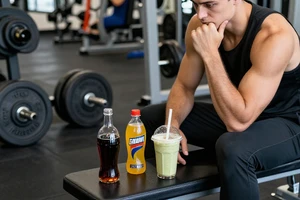
It is common to reach for a brightly colored sports drink after sweating through a heavy squat or deadlift session, but many of these beverages are little more than sugar water with electrolytes. While a small amount of carbohydrate can help replenish glycogen, excessive sugar — especially from high-fructose corn syrup or concentrated fruit juice — can trigger a sharp insulin spike.
That spike may actually blunt the inflammatory response your muscles need to initiate repair. A 2018 study in the Journal of Applied Physiology found that high sugar intake after resistance exercise reduced the expression of certain inflammatory markers that are necessary for muscle adaptation. In other words, the body’s natural repair signals were quieted too soon.
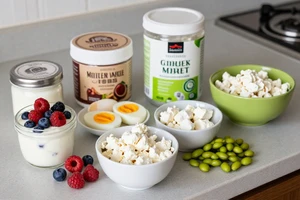
Additionally, the osmotic load from a very sugary drink can pull water into the gut, slowing absorption and leaving you less hydrated than you think. If you need a post-workout carb boost, whole foods like a banana or a small serving of oatmeal deliver sugar in a matrix of fiber and micronutrients — without overwhelming your system.
2. Full-strength fruit juice
A tall glass of orange or apple juice sounds healthy, but it can pack as much sugar as a can of soda — sometimes more. Without the pulp and fiber of the whole fruit, the sugar hits your bloodstream rapidly. For the same reasons outlined above, this can suppress the low-grade inflammation that drives muscle repair.
Fruit juice is also low in protein and electrolytes, two things your muscles really need after resistance training. Protein provides the amino acids for rebuilding muscle fibers, and electrolytes like sodium and potassium help restore fluid balance. A glass of juice on its own does not offer either in meaningful amounts.
If you enjoy a morning glass of juice, have it with a meal that contains protein and fat — not immediately after your last set.
Note that tart cherry juice is a slight exception: research suggests that its natural anti-inflammatory compounds may reduce soreness, but the sugar content still makes it a drink to have in small quantities, ideally mixed with water.
3. Caffeinated energy drinks
Energy drinks are a triple threat after strength training. They combine high caffeine, added sugars (or artificial sweeteners), and often a laundry list of stimulants like taurine and guarana. Caffeine in moderate amounts — a single cup of coffee — does not appear to impair recovery in most people. But the doses found in many energy drinks (200 milligrams or more per can) can elevate cortisol levels and constrict blood vessels.
Elevated cortisol is catabolic — it encourages the breakdown of muscle tissue rather than its synthesis. Constricted blood vessels mean slower delivery of oxygen and nutrients to the muscles that just worked hard. This combination can prolong recovery and may even reduce the strength gains you get from the session.
Energy drinks also tend to be carbonated, which can fill your stomach with gas and make it uncomfortable to eat a proper recovery meal. And if you train in the evening, the caffeine can disrupt sleep — a non-negotiable part of the repair process.
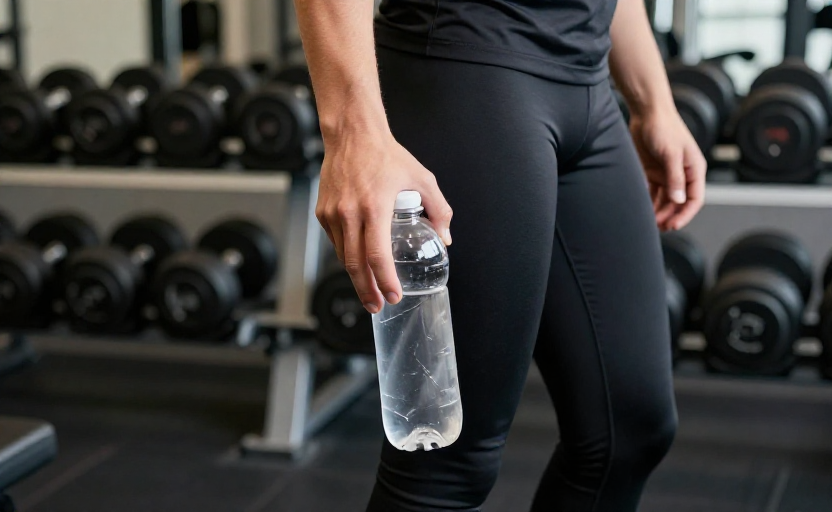
For most people, the best post-workout hydration strategy is simple: plain water, possibly with a pinch of salt if you sweat heavily, paired with a balanced meal that includes protein, complex carbs, and vegetables within two hours of training.
Bottom line on post-workout drinks
Recovery is not only about what you do in the gym — it is also about what you put back into your body afterward. Sugary sports drinks, undiluted fruit juice, and high-dose energy drinks each interfere with the muscle repair process in their own way. Stick with water as your main hydrator, and let whole foods — not bottles and cans — provide the carbs and protein your muscles actually need.