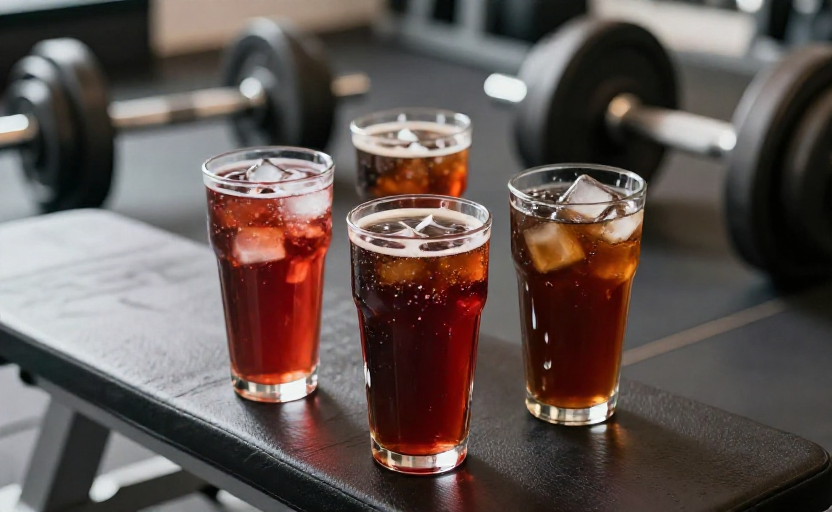
After a heavy strength session, your muscles are in a state of breakdown. The real work of building strength happens during recovery, and what you drink in that window can make a meaningful difference. Water alone won't cut it when your muscles need protein to rebuild and electrolytes to recalibrate. Here are three scientifically backed drinks that support muscle repair and help you get the most out of your training.
1. Tart Cherry Juice
This deep-red juice is one of the most researched recovery drinks in sports nutrition. Tart cherries are rich in anthocyanins and polyphenols—compounds that help reduce oxidative stress and inflammation caused by intense lifting.
A 2016 study in the Journal of the International Society of Sports Nutrition found that runners who drank tart cherry juice for seven days before and after a long-distance event experienced significantly less muscle pain than the placebo group. While that study focused on endurance, the anti-inflammatory mechanism applies directly to strength training. When you lift heavy, you create micro-tears in muscle fibers; reducing the inflammatory response around those tears can speed up the repair process without blunting the adaptation you want.
For best results, look for unsweetened tart cherry juice concentrate and dilute it with water. Drinking about 10 to 12 ounces (roughly 300 milliliters) twice daily—once after your workout and once before bed—is a common approach used in clinical trials.
Tip: Tart cherry juice has a naturally sour, astringent taste. If you find it unpalatable, mix it into a post-workout smoothie with banana and a scoop of protein powder.
2. Chocolate Milk
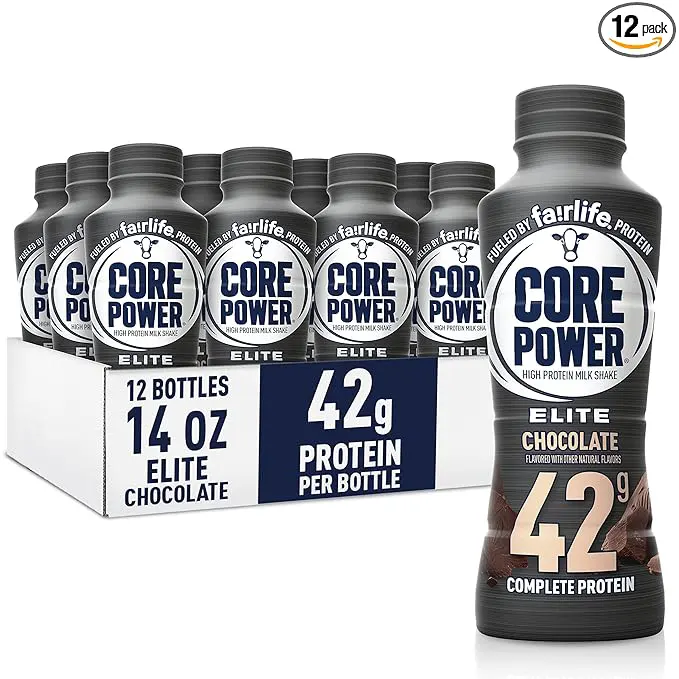
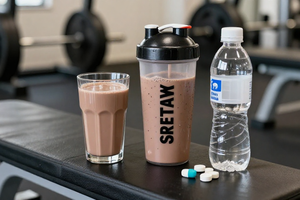
Chocolate milk has earned its reputation as a recovery powerhouse because it delivers an almost ideal ratio of carbohydrates to protein—roughly 3:1 or 4:1, depending on the brand. After heavy strength training, your body needs carbohydrates to replenish glycogen stores and protein to supply amino acids for muscle protein synthesis.
The science is solid. A 2019 meta-analysis published in Nutrients reviewed 12 studies and concluded that chocolate milk is at least as effective as commercial recovery beverages for improving post-exercise muscle soreness, muscle damage markers, and performance in subsequent workouts. The simple sugars in chocolate milk (lactose and added sugar) provide fast-digesting carbs that spike insulin, which in turn shuttles amino acids into muscle cells more efficiently.
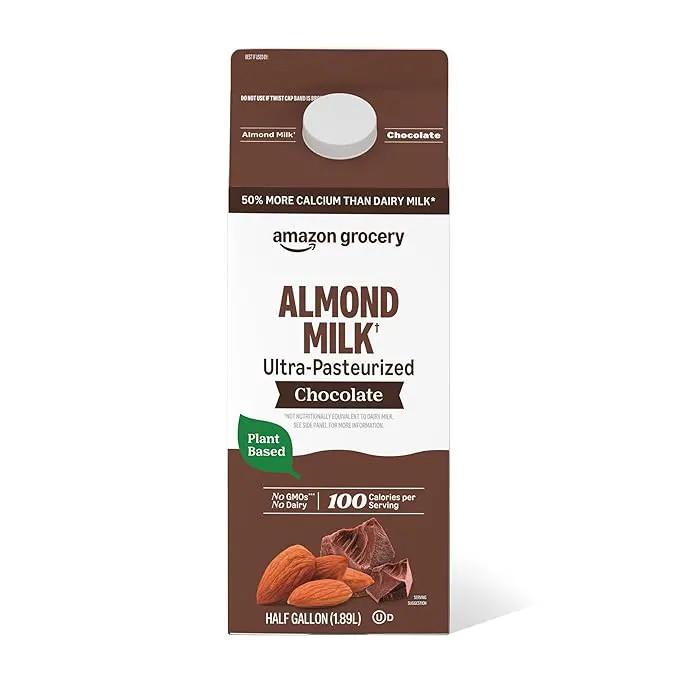
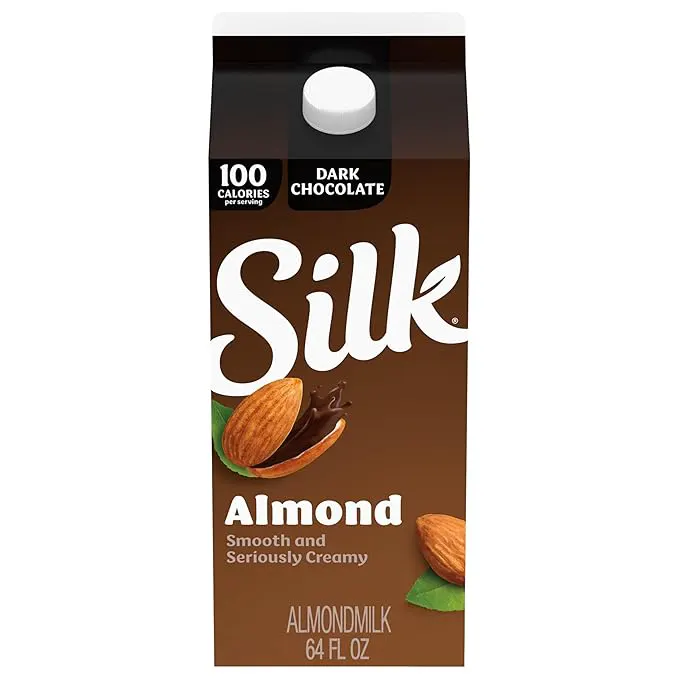
Opt for low-fat or regular cow's milk chocolate milk rather than plant-based versions, which often have lower protein content. If you are vegan or lactose intolerant, look for a soy-based chocolate milk that matches the protein content—at least 8 grams per serving.
3. Watermelon Juice
Watermelon juice is not just hydrating; it is a natural source of L-citrulline, an amino acid that converts to L-arginine in the body and boosts nitric oxide production. Nitric oxide relaxes blood vessels, improving blood flow to muscles. Better circulation means more oxygen and nutrients delivered to damaged tissue and faster removal of metabolic waste like ammonia and lactate.
A 2013 study in the Journal of Agricultural and Food Chemistry gave athletes 500 milliliters of natural watermelon juice (about 17 ounces) one hour before exercise. Those who drank watermelon juice reported significantly less muscle soreness 24 hours post-exercise compared to those who drank a placebo beverage. The effect was attributed to the bioavailability of citrulline and the antioxidant lycopene, which is abundant in watermelon.
Juice the flesh of the watermelon—not just the rind—to get the highest concentration of citrulline. You can also find cold-pressed watermelon juice at many grocery stores, but check the label for added sugars. The natural sweetness is usually enough.
What About Timing?
All three drinks work best when consumed within the first two hours after training, often called the anabolic window. During this period, your muscles are primed to absorb nutrients and initiate repair. Tart cherry juice and watermelon juice can also be consumed before bed to support overnight recovery, since muscle repair peaks during deep sleep.
Do You Still Need Protein Powder?
These drinks are complementary, not necessarily complete. Chocolate milk provides about 8 to 12 grams of protein per cup, which is a good start but may not be enough for someone who weighs over 180 pounds or who trains with high volume. If your goal is maximizing muscle hypertrophy, consider pairing one of these beverages with a lean protein source or a protein shake. Tart cherry juice and watermelon juice have negligible protein, so they work best alongside a solid post-workout meal or snack.
The Bottom Line
Recovery drinks do not have to be expensive, complicated, or artificially engineered. Tart cherry juice, chocolate milk, and watermelon juice each offer distinct recovery benefits backed by peer-reviewed research. They reduce inflammation, replenish energy stores, and improve circulation to damaged muscles. Incorporate one of them into your post-training routine and you will likely notice less soreness and better performance in your next session.