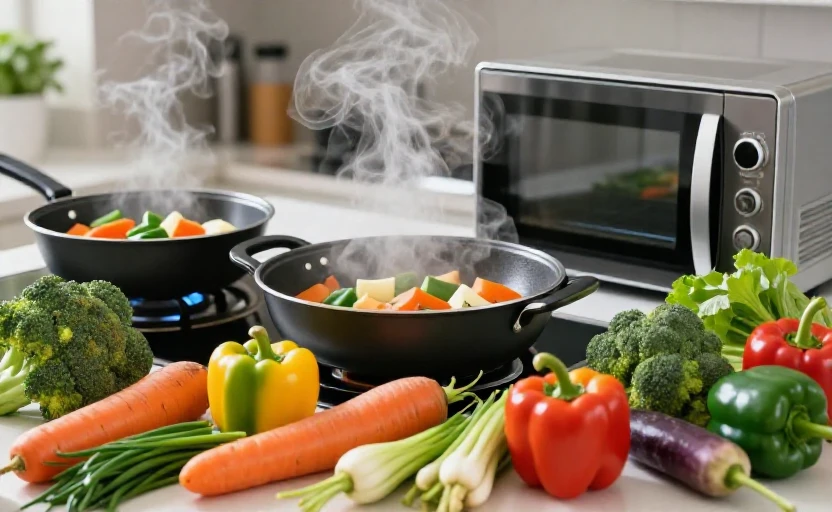
We all know vegetables are packed with vitamins, minerals, and antioxidants. But what happens to those precious nutrients between the cutting board and your plate? The cooking method you choose plays a starring role. While raw vegetables have their place, cooking can actually make some nutrients more available for your body to absorb. The trick is to use techniques that preserve—and sometimes even enhance—the nutritional value, rather than letting it slip away into the cooking water or break down under intense heat.
It’s not about a rigid set of rules, but understanding a few simple principles. Quick cooking, minimal water, and gentle heat are your allies. By focusing on these, you can turn your kitchen into a place where flavor and nutrition work together, ensuring you get the most from every bite of broccoli, spinach, or carrot.
Why cooking method matters for vitamins
Vitamins are delicate. They can be sensitive to heat, light, and water. Water-soluble vitamins, like vitamin C and the B vitamins (thiamine, folate, B6), are particularly vulnerable. They can leach out into cooking water, which is often poured down the drain. Fat-soluble vitamins (A, D, E, K) are more stable but can degrade with prolonged high heat or exposure to air.
The goal isn’t to avoid cooking altogether, but to be strategic. Light steaming, for instance, uses a small amount of water and brief heat exposure, which helps retain water-soluble vitamins. Sautéing or stir-frying uses high heat for a very short time, locking in texture and nutrients. Understanding this helps you move beyond just “cooking vegetables” to actively safeguarding their nutritional profile.
1. Steaming: The gentle guardian
Steaming is often hailed as the gold standard for nutrient retention, and for good reason. Vegetables are cooked by the vapor from boiling water, not submerged in it. This direct contact with steam cooks them quickly while minimizing the loss of water-soluble vitamins into a pot of water.
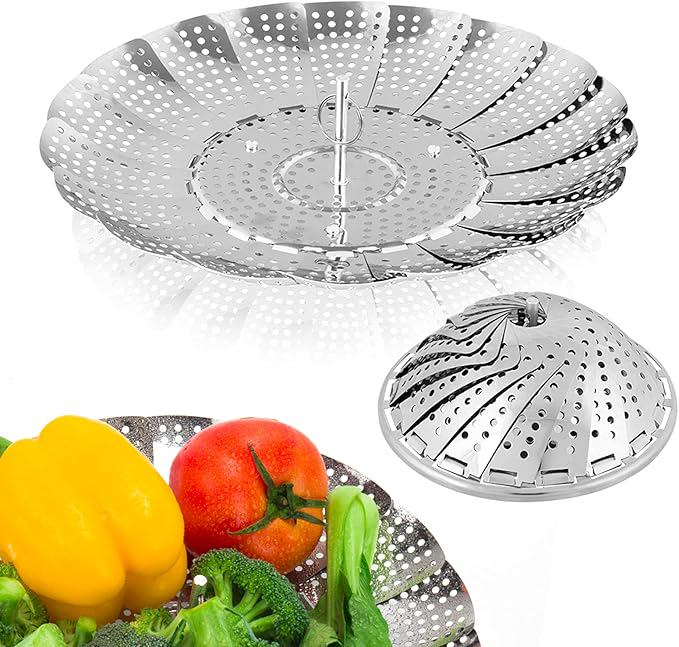
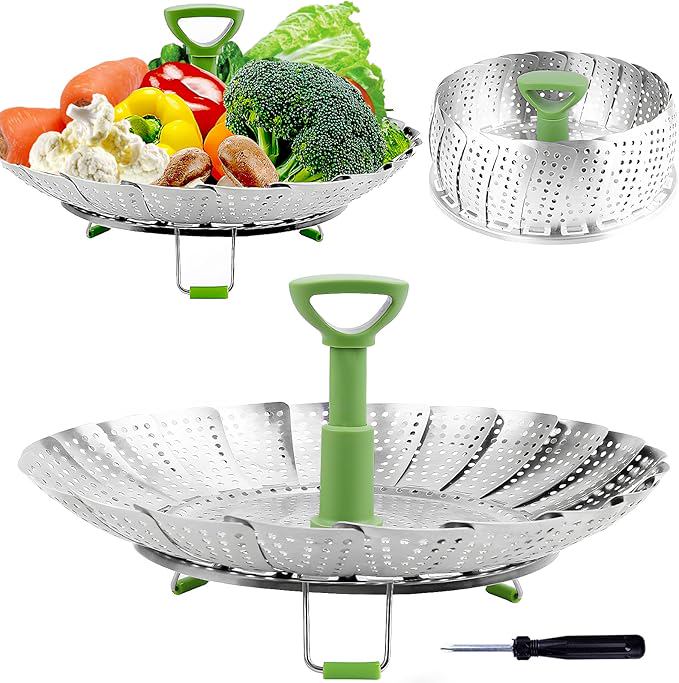
To get the best results, keep the vegetables in a single layer in a steamer basket, ensuring the water below doesn’t touch them. Cover the pot with a tight-fitting lid to trap the steam effectively. The cooking time is short—usually just a few minutes until the vegetables are bright in color and tender-crisp. This method is perfect for broccoli, green beans, carrots, and leafy greens like spinach and kale.
Tip: Save any small amount of water that collects in the bottom of the steamer. It contains traces of leached nutrients and makes a flavorful addition to soups, sauces, or even for cooking grains.
2. Stir-frying or sautéing: The quick sear
This high-heat, fast-cooking method is a powerhouse for preserving vitamins, especially when you use a small amount of healthy oil like avocado or olive oil. The intense heat cooks vegetables rapidly, shortening the time nutrients are exposed to degrading factors. The oil also helps your body absorb fat-soluble vitamins present in the vegetables.
The key is preparation and pace. Cut your vegetables into uniform, bite-sized pieces so they cook evenly. Have all your ingredients ready before you start, as the process moves quickly. Use a wide pan or wok over medium-high to high heat, add your oil, and then the vegetables. Keep them moving constantly with a spatula. They’re done in just a few minutes, when they’re vibrant and still have a pleasant crunch.
3. Microwaving: The surprising contender
It might seem counterintuitive, but microwaving can be an excellent way to preserve vitamins in vegetables. Why? Because it cooks food quickly with very little added water, using the moisture already inside the food itself. This minimizes the leaching effect that plagues boiling.
For best results, place vegetables in a microwave-safe dish with a tablespoon or two of water. Cover the dish with a microwave-safe lid or plate to create a steamy environment. Cook on high for short intervals, checking and stirring if needed. Like steaming, microwaving works well for most vegetables and is remarkably efficient for single servings or quick side dishes.
What about roasting and boiling?
Roasting with a bit of oil at a high temperature can create delicious, caramelized flavors and is great for retaining fat-soluble vitamins. Some water-soluble vitamin loss can occur due to the longer cooking time and dry heat, but it remains a healthy and flavorful option for vegetables like Brussels sprouts, cauliflower, and root vegetables.
Boiling, where vegetables are fully submerged in water, is the method most associated with nutrient loss. Significant amounts of water-soluble vitamins can transfer into the cooking liquid. If you do boil vegetables, you can reclaim some of that nutrition by using the nutrient-rich water (pot liquor) as a base for soups, stews, or gravies, rather than discarding it.
A simple principle to remember
Across all methods, one rule stands out: don’t overcook. Cooking vegetables just until they are tender—often described as “al dente” or tender-crisp—preserves not only their texture and color but also their vitamin content. The longer they cook, the more nutrients are likely to degrade or be lost.
Ultimately, the best cooking method is the one you’ll use consistently to enjoy more vegetables. By leaning on steaming, stir-frying, and microwaving, you’re making simple choices that add up to a more nutrient-dense plate.