Protein is a cornerstone of a healthy diet, essential for building and repairing tissues, supporting immune function, and maintaining muscle mass. Yet, how you prepare your food can significantly impact the quality and availability of that precious protein. High heat and aggressive cooking can denature proteins, making them less digestible and potentially reducing their nutritional value.
The goal isn't to avoid cooking—cooking makes many foods safer and more palatable—but to choose methods that protect the integrity of nutrients. By focusing on gentler, more controlled techniques, you can ensure the protein in your chicken, fish, eggs, and legumes works as hard for your body as you do in the kitchen.
Why cooking method matters for protein
Proteins are complex molecules made of amino acids, often described as the building blocks of life. When exposed to extreme conditions, particularly high and dry heat, the structure of these molecules can unravel or "denature." While some denaturation is a normal part of digestion and can even make protein more accessible, excessive or harsh cooking can have downsides.
Overcooking can lead to the formation of compounds like advanced glycation end products (AGEs) and may cause the loss of sensitive amino acids, such as lysine. The key is to apply enough heat to ensure food safety and develop flavor, but not so much that you degrade the nutritional profile. Moisture, lower temperatures, and shorter cooking times are generally your allies in this endeavor.
1. Steaming: The gentle guardian
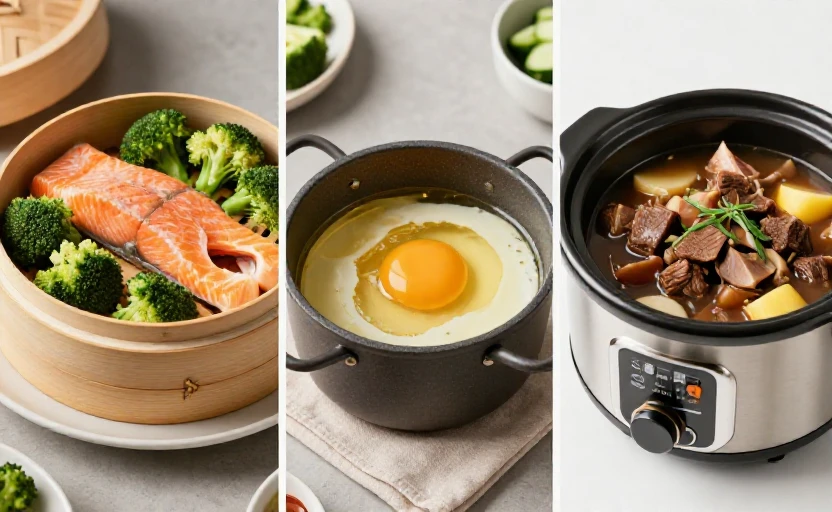
Steaming is arguably the champion of nutrient preservation. Food is cooked by the heat of vaporized water, not by direct immersion or scorching contact with a pan. This creates a humid, relatively low-temperature environment that gently cooks proteins without leaching them into cooking water or subjecting them to the high temperatures of roasting or frying.
This method is exceptionally well-suited for delicate proteins like fish fillets, shellfish, and chicken breasts. The steam cooks them evenly, keeping them tender and moist while locking in their natural juices and nutrients. It’s also excellent for plant-based proteins like tofu and tempeh, allowing them to firm up without becoming tough or oily.
For the best results, keep the steaming time minimal—just until the protein is cooked through. A simple check: fish should flake easily, and chicken should reach an internal temperature of 165°F (74°C).
2. Poaching: The low-temperature simmer
Poaching involves submerging food in a liquid—water, broth, or milk—that is kept at a bare simmer, with just a few small bubbles breaking the surface. The temperature is significantly lower than a rolling boil, which prevents proteins from seizing up and becoming rubbery.
This method is ideal for foods where tenderness is paramount. Eggs are a classic example; a properly poached egg has a firm yet delicate white and a creamy, runny yolk, with its protein structure beautifully intact. It’s also a superb way to cook chicken, fish, and even fruits like pears. Because the food is surrounded by liquid, it cooks evenly and stays exceptionally moist, preserving its natural flavor and nutritional content.
3. Slow cooking and braising: The patient approach
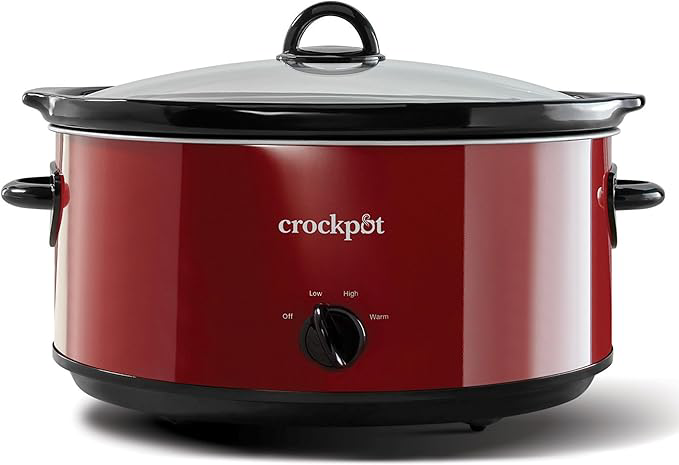
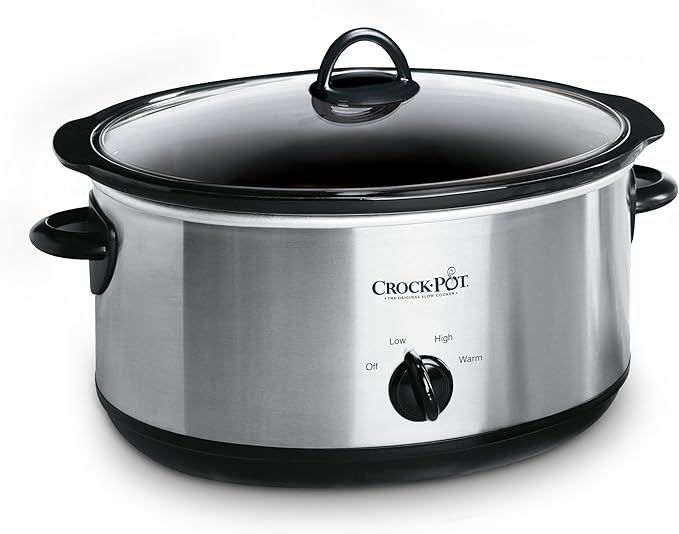
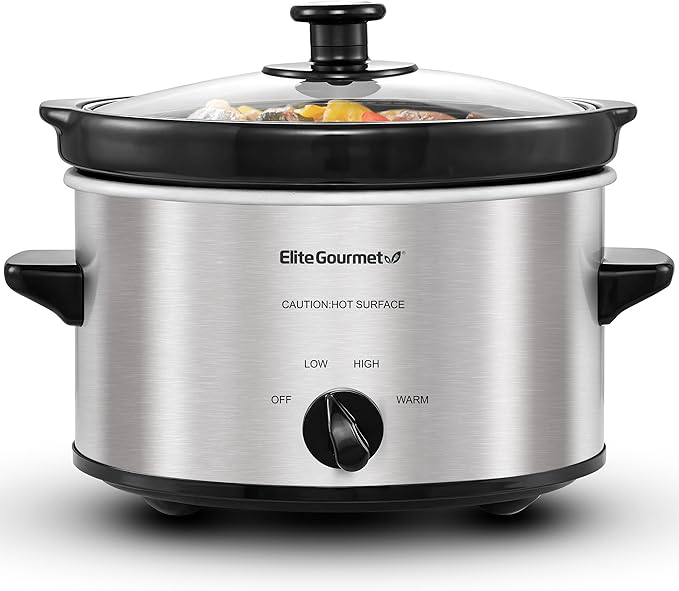
While it uses a long cooking time, slow cooking—and its stovetop cousin, braising—employs low, consistent heat and a moist environment. Tough cuts of meat rich in collagen and connective tissue, like chuck roast, pork shoulder, or chicken thighs, benefit tremendously from this method.
The low heat (typically around 200°F or 95°C) slowly breaks down the tough fibers and collagen into gelatin, making the meat fall-apart tender without causing the rapid, harsh denaturation that high-heat methods can. The protein becomes incredibly digestible and bioavailable. The sealed environment of a slow cooker or a covered pot with a small amount of liquid also minimizes the loss of nutrients and flavor to evaporation.
Methods to use more cautiously
This isn't to say you should never grill or bake. These methods have their place for flavor and texture. The aim is awareness and balance.
Grilling and broiling expose food to very high, direct heat, which can create char and potentially harmful compounds like heterocyclic amines (HCAs). To mitigate this, marinate proteins beforehand, keep flames from directly touching the food, avoid charring, and flip frequently.
Pan-frying and deep-frying involve high heat and oil, which can oxidize and add significant extra fat. If you fry, use a stable high-heat oil (like avocado oil), maintain the correct temperature to prevent excessive oil absorption, and pat food dry before it hits the pan.
Microwaving, often maligned, can actually be quite gentle for protein. It cooks food quickly with electromagnetic energy, using minimal to no added liquid. It’s efficient for reheating cooked proteins or gently cooking items like eggs without added fat.
Ultimately, a varied approach is best. Enjoy the crisp skin from a roast chicken and the smoky flavor from a weekend grill, but make the gentler methods—steaming, poaching, and slow cooking—the reliable workhorses of your weekly routine. By mindfully choosing your technique, you turn cooking into an act of nourishment, preserving the vital protein that supports your health with every meal.