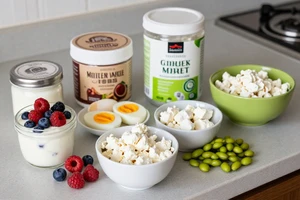
You finished your last rep, racked the weight, and felt that good kind of burn. Now your body is quietly getting to work: repairing micro-tears in muscle fibers, replenishing glycogen stores, and clearing metabolic waste. What you eat in the hours after training can either fuel that process or throw a wrench in it.
Most lifters know they should eat something after a session. But the details matter more than you think. A well-intentioned snack can actually delay recovery if it misses the mark on timing, composition, or ingredients. Here are three common mistakes—and how to adjust without overhauling your whole diet.
Mistake #1: Eating too little protein at the wrong time
Protein is non-negotiable for muscle repair, but the dose and the window matter. A handful of almonds or a small cup of yogurt might sound healthy, but if it only provides 6 to 8 grams of protein, it’s likely not enough to maximally stimulate muscle protein synthesis after heavy lifting.
Research suggests that around 20 to 40 grams of high-quality protein—depending on your body weight and the intensity of your session—is a solid target for the post-workout meal. Delaying that intake by more than two hours can blunt the repair response. The body is most receptive to protein in the first couple of hours after training, especially when it comes to activating the mTOR pathway that drives muscle building.
A quick check: Read labels on packaged snacks. Many “protein” bars and shakes are surprisingly low in actual protein and high in sugar or fillers. Look for products that list protein first, not sugar.
Mistake #2: Relying on simple sugars without enough carbohydrates
You might be tempted to grab a sports drink or a piece of fruit immediately after lifting. That’s not wrong, but it’s incomplete. Simple sugars spike blood glucose quickly, but they don’t sustain the glycogen restoration your muscles really need after a session that depletes them.
Muscle recovery depends on resynthesizing glycogen stores in the muscle cells. Complex carbohydrates—like sweet potatoes, oats, brown rice, or whole-grain bread—provide a slower, steady release of glucose. They also tend to be packaged with fiber and micronutrients that help regulate inflammation and support metabolic health.
Aiming for a 3:1 or 4:1 ratio of carbs to protein in your post-workout meal is a practical guideline for many lifters. That doesn't mean you need a strict calculation. Think of it as pairing a chicken breast with a cup of roasted potatoes, not just a shake.
- Do this: Combine a whole-food carb source with a lean protein source within an hour of finishing your session.
- Avoid this: Grabbing only a sugary snack bar or juice. Your muscles will get quick energy but will miss the sustained building blocks they need.
Mistake #3: Unintentionally eating foods that increase inflammation
Not all calories are equal when your body is in repair mode. Some foods commonly eaten as a quick post-workout bite can actually promote low-grade inflammation, which slows down recovery and increases muscle soreness.
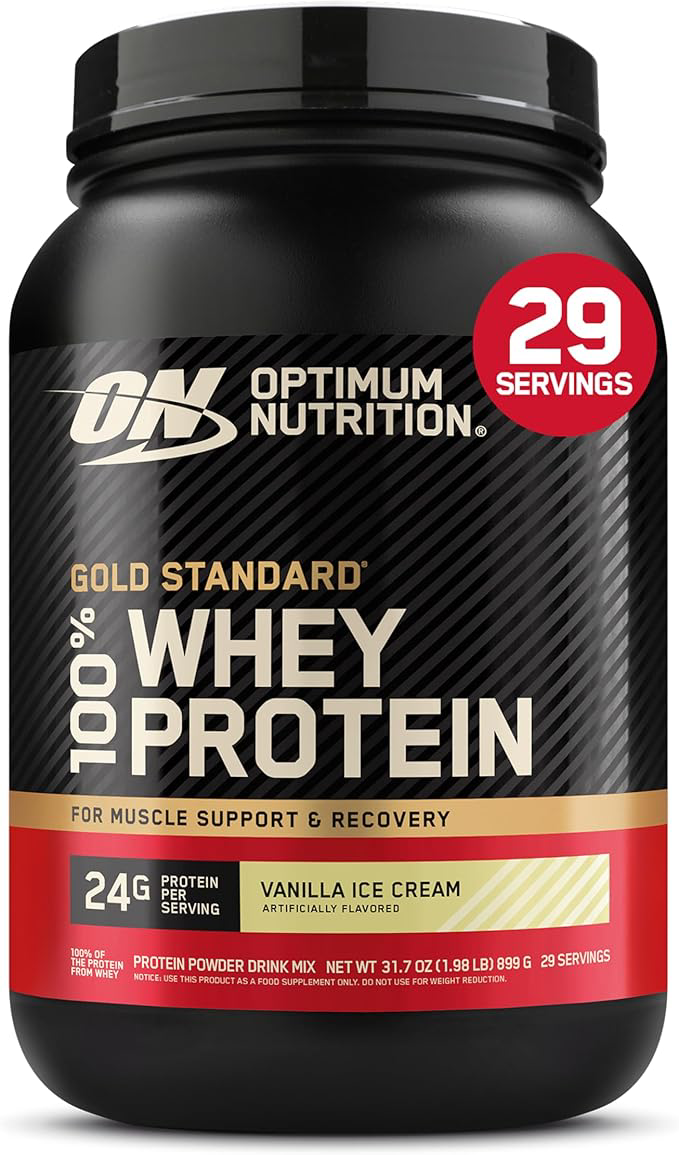
Highly processed snack bars, chips, and fast food can be high in trans fats, refined oils, and added sodium. These ingredients can trigger pro-inflammatory cytokines and impair blood flow to muscles. Even some protein powders contain artificial sweeteners or emulsifiers that cause gastrointestinal distress or minor immune responses in sensitive people.
Likewise, large amounts of ultra-processed carbohydrates—white bread, sugary cereals, or pastries—can spike insulin and then crash blood sugar, leaving you feeling sluggish and slowing the delivery of nutrients to muscle cells.
What to swap instead
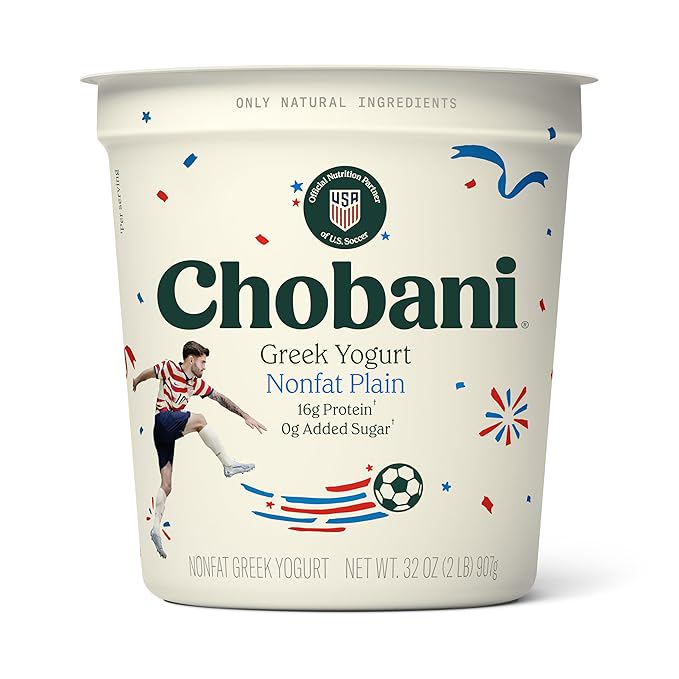
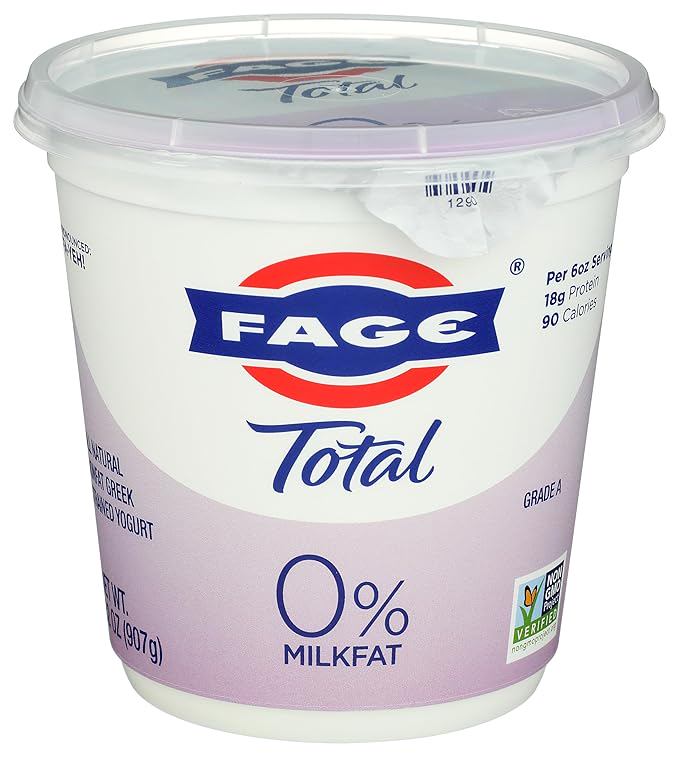
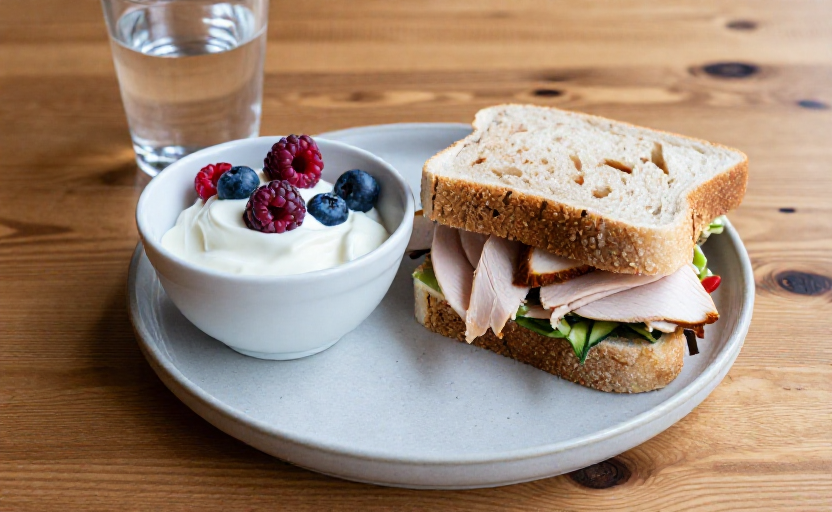
You don't need to be perfect. But simple replacements can make a difference. Try a bowl of Greek yogurt with berries and a drizzle of honey instead of a flavored yogurt cup full of added sugar. Choose a turkey and avocado sandwich on whole-grain bread over a fast-food burger. Or blend a recovery shake with a clean powder, banana, and a handful of spinach.
How to build a better post-lifting snack, simply
You don't need complicated meal prep. The most effective post-workout nutrition strategy is the one you can actually do consistently. Aim for these three principles:
- Protein. 20–40 grams from whole foods or minimally processed sources.
- Carbs with staying power. Whole grains, starchy vegetables, or legumes.
- Low inflammatory load. Skip the fried foods, sugary bars, and highly processed snacks close to your workout window.
If you're lifting with the goal of gaining strength or muscle, the quality of what you eat after training matters almost as much as the training itself. A few small tweaks can turn a mediocre recovery snack into a powerful tool for progress.