
When it comes to vitamins and minerals, we often carry around a collection of well-intentioned beliefs. Some come from family, others from persistent cultural narratives, and many seem to make perfect sense on the surface. But these assumptions can sometimes lead us astray, causing unnecessary worry or steering us away from the most effective ways to support our health. Let’s gently unpack a few of the most common misconceptions about vitamin deficiencies, separating enduring myths from the nuanced reality of nutritional science.
Myth 1: If You Eat a Balanced Diet, You’re Definitely Getting Enough
This is perhaps the most pervasive and comforting myth. The idea of a “balanced diet” is sound, but its definition and our individual ability to meet it can be surprisingly slippery. A balanced diet is not a universal checklist; it’s deeply personal. Factors like soil depletion in modern agriculture can affect the nutrient density of our fruits and vegetables. Our individual gut health plays a massive role in how well we absorb nutrients, regardless of what’s on our plate. Stress, certain medications, and even genetic variations can increase our specific needs or hinder absorption.
Think of your diet as the ingredients you buy, and your body as the kitchen. If the kitchen isn’t functioning optimally, even the best ingredients might not become a nourishing meal.
So, while aiming for a varied, whole-foods diet is the absolute cornerstone of good nutrition, it doesn’t automatically guarantee sufficiency for everyone. It’s the best first step, but not an ironclad guarantee.
Myth 2: The Only Source of a Nutrient is Its Most Famous Food
We tend to create mental shortcuts, pairing one nutrient with one iconic source. Think calcium and milk, or vitamin C and oranges. This simplification can be limiting, especially for those with dietary restrictions or preferences. The truth is, nutrients are widely distributed across the food spectrum.
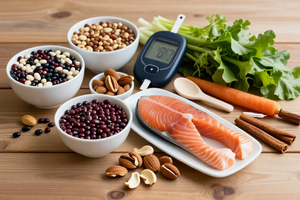
Take calcium, for example. While dairy is a potent source, it’s far from the only one. Leafy greens like kale and collard greens, canned fish with soft bones like sardines, fortified plant milks, tofu set with calcium sulfate, and almonds all contribute significant amounts. Similarly, iron isn’t exclusive to red meat. Lentils, spinach, pumpkin seeds, and quinoa are excellent plant-based sources, especially when paired with vitamin C-rich foods to enhance absorption.
This myth can create unnecessary anxiety for those exploring vegan, vegetarian, or dairy-free lifestyles. Abundance exists in many forms.
Myth 3: You’ll Always Feel Dramatic Symptoms if You’re Deficient
We often imagine a vitamin deficiency as a dramatic event—extreme fatigue, hair falling out, or visible cracks at the corners of the mouth. While these can be signs of advanced deficiency, the early and more common stages are often subtle, if they cause noticeable symptoms at all.
Subclinical deficiencies, where levels are low but not severely depleted, might manifest as vague, easy-to-dismiss issues:
- A general, persistent lack of energy that you attribute to a busy life.
- Mild brain fog or difficulty concentrating.
- Taking longer to recover from minor illnesses or workouts.
- Brittle nails or lackluster skin that doesn’t seem to improve with topical care.
Because these symptoms are non-specific and overlap with many aspects of modern life (stress, poor sleep), they frequently go unrecognized as potential nutritional signals. The body is remarkably resilient and will often compensate for a while, meaning a deficiency can develop quietly over time.
What to Do With This Information
Debunking myths isn’t about fostering fear; it’s about cultivating informed awareness. If these points resonate, consider a thoughtful approach rather than a reactive one. Self-prescribing high-dose supplements based on a hunch can be unhelpful and sometimes harmful.
A more grounded path starts with mindful observation of your diet and energy, followed by a conversation with a healthcare provider. They can help interpret vague symptoms in context and, if warranted, order simple blood tests to check levels of key nutrients like vitamin D, B12, iron, and magnesium. This provides a factual starting point for any adjustments, whether through targeted dietary shifts or a carefully chosen supplement.
Ultimately, understanding these common myths empowers you to have more nuanced conversations about your health, moving beyond blanket statements to a personalized view of what your unique body might need to truly thrive.