Fiber is often presented as a simple health commandment: eat more of it. Yet, for something so universally recommended, a surprising amount of confusion and misinformation surrounds it. We hear we need it, but the "why" and "how" get muddled by persistent myths that can actually hinder our efforts to eat well. Let's untangle three of the most common misconceptions about fiber intake that might be quietly shaping your diet in the wrong direction.
Myth 1: All Fiber Is Created Equal
Perhaps the most pervasive myth is treating fiber as a single, monolithic nutrient. In reality, fiber comes in different forms with distinct roles in the body. Thinking of it as just "roughage" overlooks the sophisticated ways it supports our health.
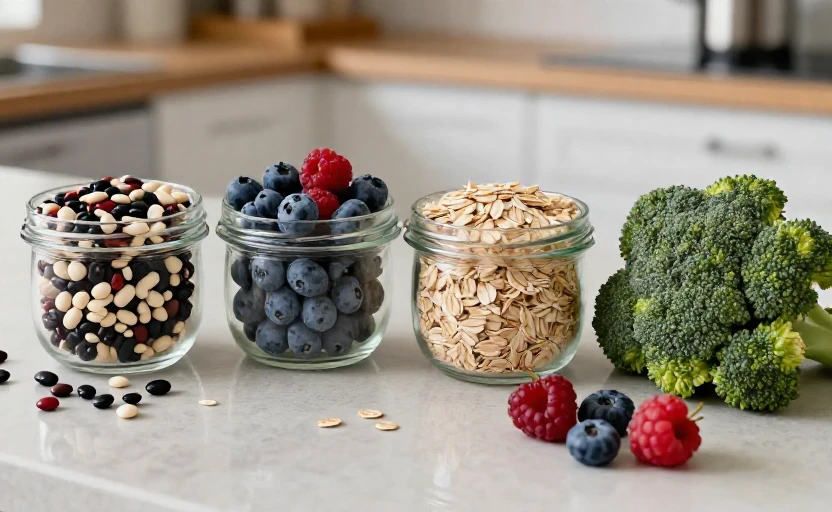
There are two primary types: soluble and insoluble fiber. Soluble fiber dissolves in water, forming a gel-like substance in your gut. It's found in foods like oats, beans, lentils, apples, and chia seeds. This type is famous for helping to moderate blood sugar levels and lower LDL (the "bad") cholesterol.
Insoluble fiber doesn't dissolve. Think of it as the broom of your digestive system.
Insoluble fiber, on the other hand, does not dissolve. Think of it as the broom of your digestive system. It adds bulk to stool and helps material move more quickly through the digestive tract. You'll find it in whole wheat flour, wheat bran, nuts, and many vegetables like cauliflower and green beans. A healthy diet needs both types, as they work together to support digestion, heart health, and stable energy.
Myth 2: If You Eat Enough Fruits and Vegetables, You're Covered
It's true that fruits and vegetables are excellent sources of vitamins, antioxidants, and fiber. Relying on them alone, however, can leave a significant gap in your fiber intake, particularly of the insoluble kind. Many of the highest-fiber foods aren't in the produce aisle.
Legumes are the unsung heroes of the fiber world. A single cup of cooked lentils provides about 15 grams of fiber. Beans, chickpeas, and split peas are similarly packed. Whole grains are another critical category often missed. Switching from refined grains (white bread, white rice) to their whole counterparts (brown rice, quinoa, barley, whole-grain bread) can dramatically boost your daily intake. Seeds, like flaxseeds and pumpkin seeds, and nuts are also potent, compact sources.
Focusing solely on produce might mean you're meeting your vitamin needs but falling short on the total fiber your gut microbiome and digestive system require for optimal function.
Myth 3: More Fiber Always Means Immediate Digestive Relief
This myth sets many people up for frustration. The logic seems sound: if constipation is a problem, dramatically upping fiber intake should solve it. While increasing fiber is generally the right long-term strategy, a sudden, large increase can have the opposite effect in the short term, leading to bloating, gas, and discomfort.
Your gut bacteria need time to adjust to a richer fiber diet. A rapid influx gives them a feast, producing excess gas as a byproduct. Furthermore, without adequate water, increased fiber can actually worsen constipation, becoming bulky and difficult to pass.
The effective approach is gradual. Increase your intake slowly over several weeks, allowing your digestive system to adapt. Crucially, always pair increased fiber with increased water intake. The two work in tandem; fiber absorbs water, which helps soften stool and keep it moving smoothly.
Listening to Your Body
It's also worth noting that some individuals with specific digestive conditions, like Irritable Bowel Syndrome (IBS), may be sensitive to certain types of fermentable fibers (known as FODMAPs). For them, a blanket "eat more fiber" approach can be problematic. It underscores why understanding the type of fiber, not just the amount, is so important.
Building a Balanced, Fiber-Rich Diet
Moving past these myths allows for a smarter, more comfortable approach to eating. Instead of chasing a single number, aim for variety. Include a mix of legumes, whole grains, nuts, seeds, fruits, and vegetables throughout your day. This diversity ensures you get both soluble and insoluble fiber, along with the full spectrum of other nutrients these whole foods provide.
Remember that supplements can help fill gaps, but they shouldn't replace whole food sources, which offer a complex nutritional package. By demystifying fiber, you can embrace it not as a confusing obligation, but as a natural and enjoyable part of eating well.