It's one of the first questions people ask when they go plant-based: "Where do you get your protein?" But the more interesting—and often more confusing—question is about fat. We've been told for decades that fat is the enemy, and then told that avocado toast is a health food. For anyone eating plant-based, the mixed messages can be especially loud.
Let's cut through the noise. We're looking at three persistent myths about fat intake on a plant-based diet and unpacking the evidence-based reality behind each one.
Myth 1: You can't get enough healthy fat on a plant-based diet
This is probably the most common concern. The assumption is that without animal products—no butter, no cheese, no salmon—it's tough to meet your body's fat needs. In reality, a well-planned plant-based diet offers an abundance of beneficial fats.
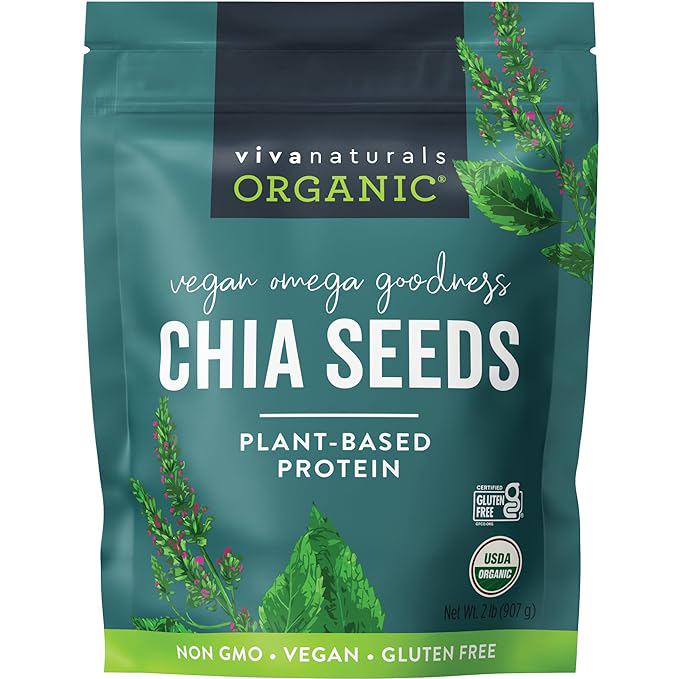
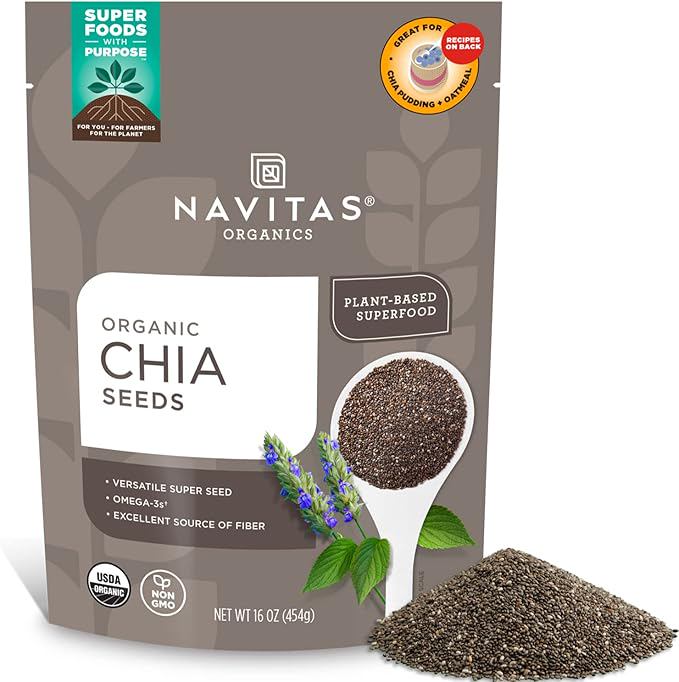
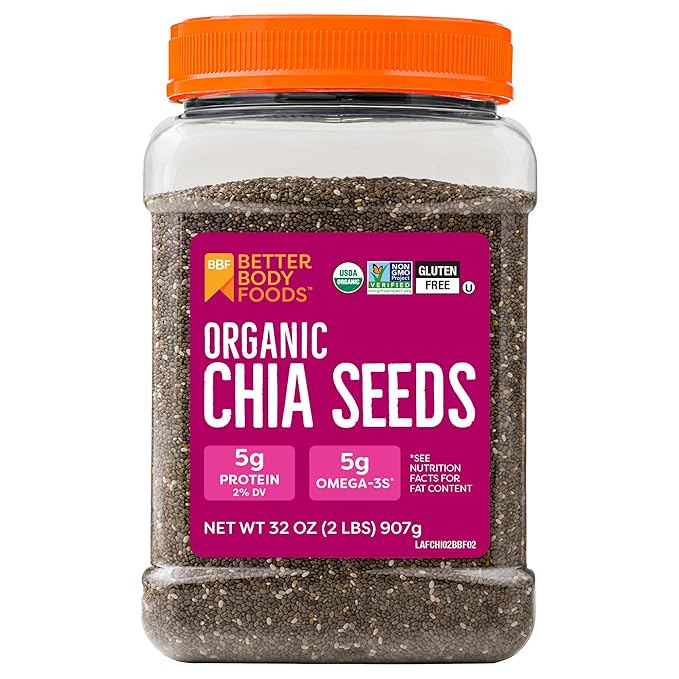
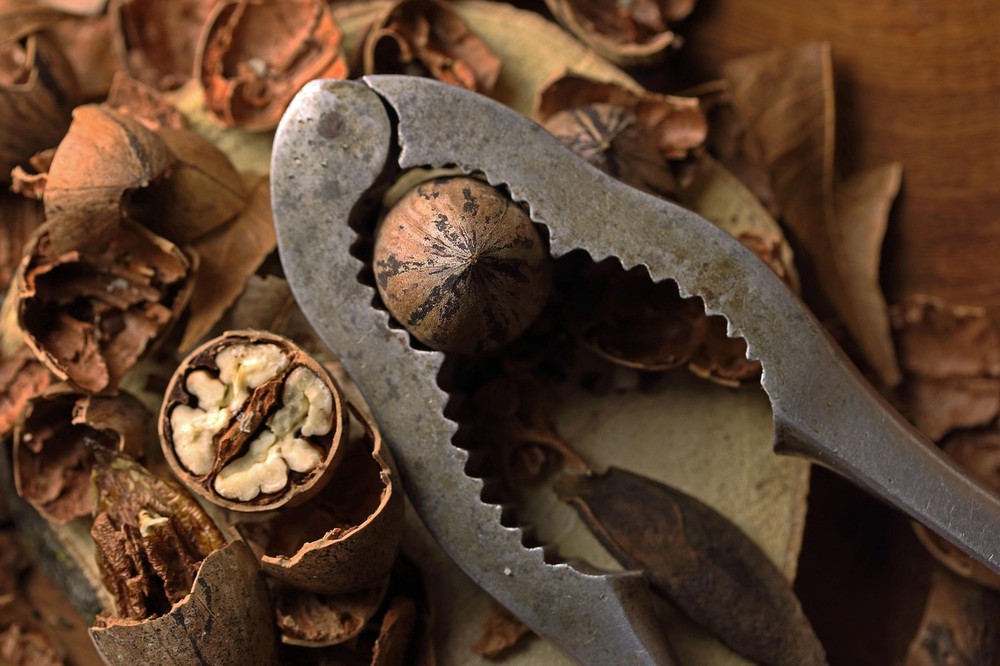
Whole food sources like avocados, nuts, seeds, and olives provide monounsaturated and polyunsaturated fats, including essential omega-3 fatty acids. For instance, a single ounce of walnuts delivers about 18 grams of fat—primarily polyunsaturated—along with a solid dose of alpha-linolenic acid (ALA), a plant-based omega-3. Chia seeds, flaxseeds, and hemp seeds are also concentrated sources. When you consider that the Dietary Guidelines for Americans recommend total fat intake between 20 and 35 percent of daily calories, it's not hard to hit that target with foods like almond butter, tahini, or a simple vinaigrette made with olive oil.
The body does need fat—for hormone production, vitamin absorption, and cell membrane integrity—and plants provide these fats in a package that also supplies fiber and phytonutrients.
Myth 2: Plant-based diets are automatically low in fat
There's a grain of truth here: many people assume that a vegan diet means salads and steamed vegetables. However, it depends entirely on food choices. A whole-food, plant-based diet can range from very low fat (think Dr. Esselstyn's approach for heart disease reversal) to moderately high fat (the Mediterranean-style plant-forward pattern).
The potential pitfall is the opposite of what you'd expect. Plant-based diets can inadvertently become high in omega-6 fatty acids if a person relies heavily on processed oils, vegan butters, and packaged snacks made with sunflower, safflower, soybean, or corn oil. While omega-6 fats are essential, the modern diet often skews the ratio between omega-6 and omega-3 too far toward omega-6, which may promote inflammation. The solution is simple: prioritize whole sources (nuts, seeds, avocados) and include omega-3-rich foods like ground flax or chia seeds regularly.
Another trap is that fat-free or low-fat plant-based products sometimes compensate with added sugar or refined grains. So the real conversation isn't whether the diet is "low" or "high" fat; it's about the quality and balance of the fats you choose.
Myth 3: Eating fat from plants will make you gain weight
Fat is calorie-dense—9 calories per gram versus 4 for carbohydrates and protein—so it's understandable to think that eating more nuts and avocados might lead to weight gain. However, the research tells a more nuanced story.
Several large observational studies, including the Nurses' Health Study and the Adventist Health Study, have found that people who eat nuts regularly tend to have a lower body mass index (BMI) and reduced risk of obesity. Nutrient-dense plant fats are also high in fiber and water (think of a whole avocado), which increases satiety. That means you may naturally eat fewer calories overall because you feel fuller longer.
Weight management is ultimately about total energy balance, not the presence or absence of a single macronutrient. Swapping out highly processed snacks for a handful of almonds or adding sliced avocado to a grain bowl can support weight stability—not derail it—especially when it's part of an overall pattern of whole, minimally processed foods.
So, does everyone eating plant-based need to micromanage their fat intake? Not usually. For most people, simply including a variety of nuts, seeds, avocados, and olives—while being mindful of how much heavily processed oil they consume—will provide adequate healthy fats without overdoing it. The myths tend to crumble once you look at the actual composition of plant foods and the context of the whole diet.
The bottom line: fats from plants are not something to fear. They are an integral part of a satisfying, nutrient-dense eating pattern. Focus on whole food sources, vary your choices, and let your appetite and overall dietary pattern guide you. The only real myth is that you need to worry at all.