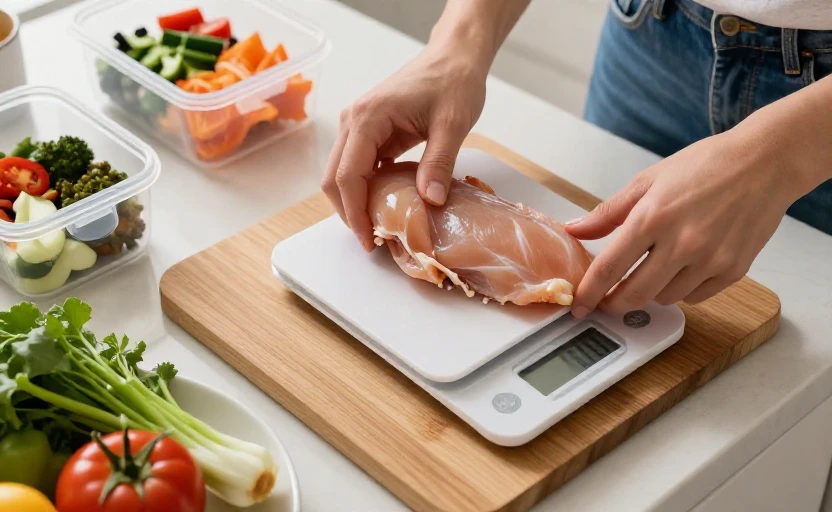
You’ve carved out a Sunday afternoon, chopped your vegetables, cooked your grains, and portioned everything into neat containers. Your fridge looks organized and ready for the week. Yet, by Wednesday, you feel off-track, unsure if your efforts are actually supporting your calorie goals. The disconnect often lies not in the effort, but in a few subtle, common errors that can quietly undermine your hard work.
Meal prepping is a powerful tool for managing nutrition, but its effectiveness hinges on precision and awareness. When done thoughtfully, it removes daily guesswork and supports consistency. When certain mistakes creep in, however, that consistency can work against you, making it harder to reach your targets. Let’s look at three frequent missteps that can derail your progress and how to adjust your approach for better results.
Mistake 1: Eyeballing Portions Instead of Measuring
This is perhaps the most pervasive and impactful error. After a few weeks of prepping, it’s easy to feel confident in your ability to judge a cup of rice or three ounces of chicken by sight. Our visual estimates, however, are notoriously unreliable, especially with calorie-dense foods like oils, nuts, cheeses, and grains.
A “splash” of olive oil can easily double from one teaspoon to a tablespoon, adding 80 extra calories. A “handful” of almonds might be one ounce or two, a difference of nearly 100 calories. These small, unaccounted-for additions from multiple ingredients and meals can create a significant weekly calorie surplus, stalling progress without any obvious reason why.
Consistency in measurement is the foundation of accuracy. If you’re not measuring, you’re estimating.
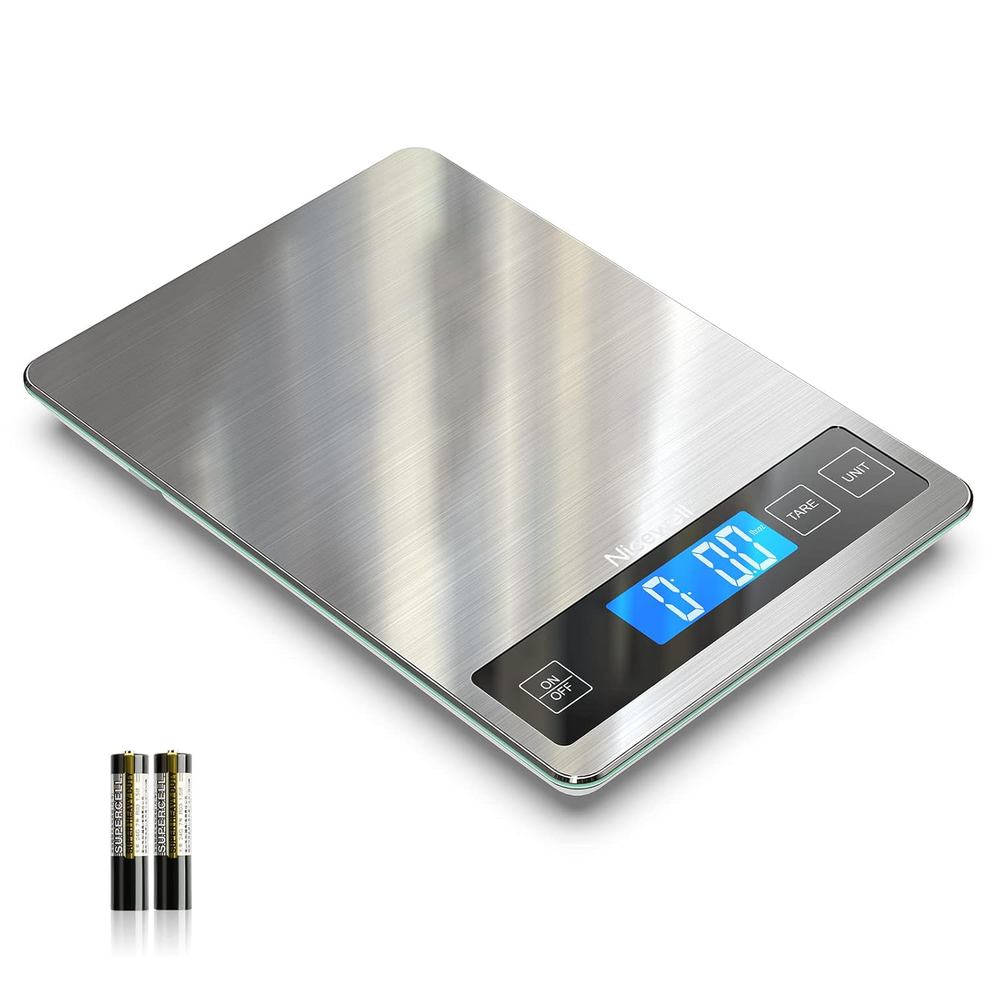
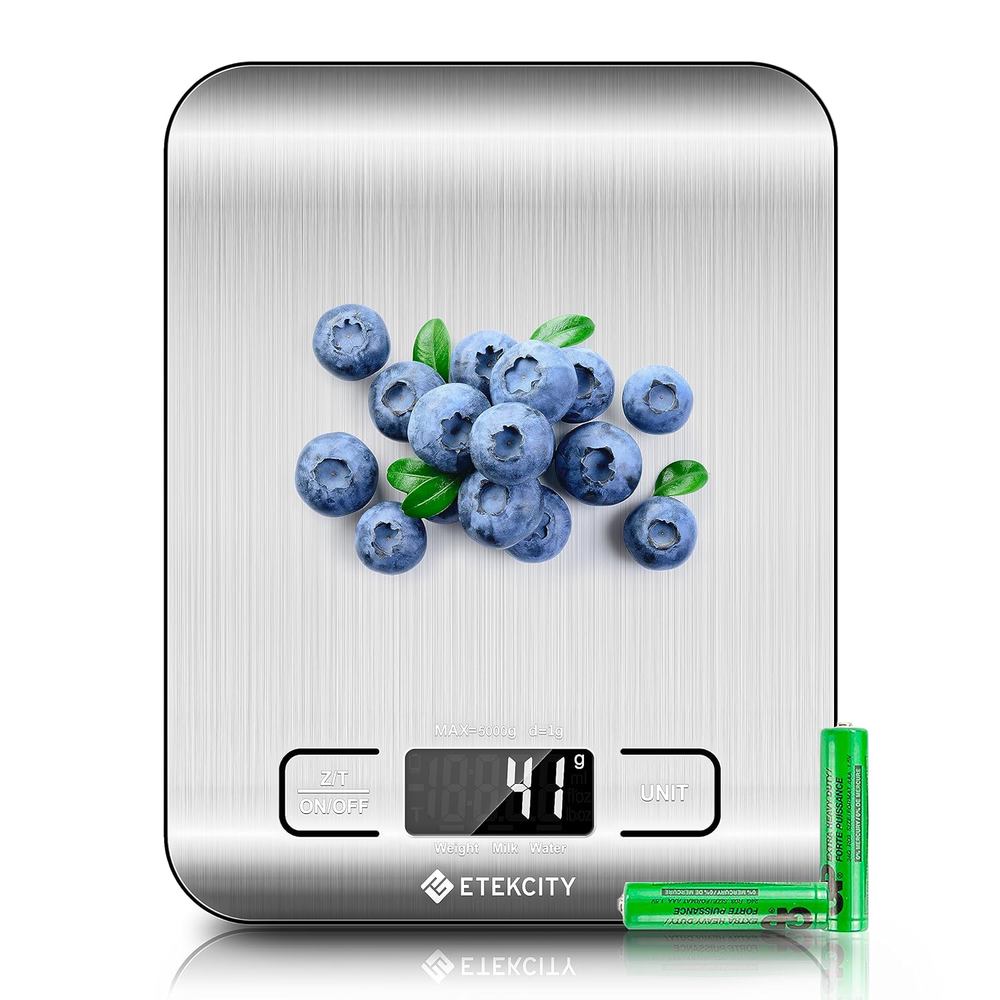
The fix doesn’t require obsessive weighing at every meal, but it does demand a disciplined setup. Use a digital kitchen scale for solid foods during the prep process. For liquids and semi-solids like nut butter, use measuring spoons and cups. Portion your proteins, carbs, and fats directly into containers using these tools. This initial investment of time ensures every container has the exact same calorie load, turning your prep from a rough sketch into a reliable blueprint for the week.
Mistake 2: Forgetting the “Extras” and Cooking Variables
You’ve meticulously weighed your raw chicken breast and dry quinoa. But did you account for the marinade soaked into the chicken, the butter melted into the sautéed vegetables, or the dressing tossed with the salad? These “hidden” calories from cooking fats, sauces, and condiments are a major culprit in skewed calorie counts.
Similarly, cooking methods change weights and volumes. A cup of dry rice triples when cooked. Weighing it raw gives you an accurate calorie count for the entire cooked batch. Weighing it after cooking and then dividing can lead to uneven portions if the batch isn’t perfectly uniform.
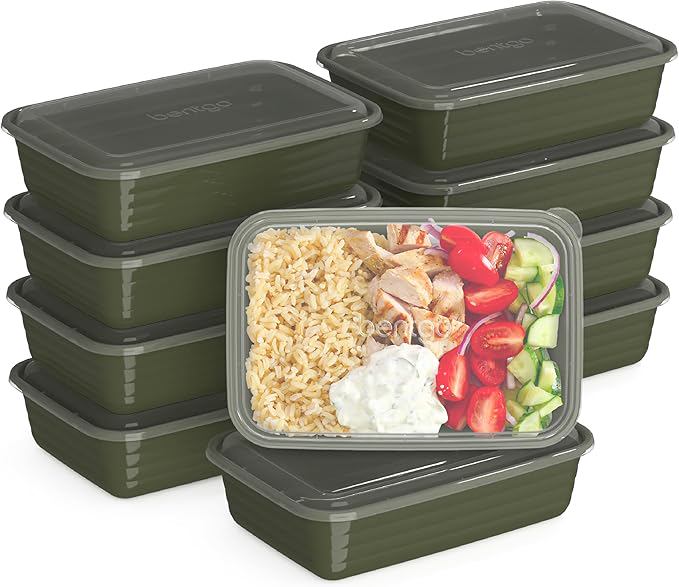
The most accurate method is to log the calories of every ingredient in its pre-cooked, pre-mixed state. Create your recipe in a tracking app using raw weights. After cooking, weigh the entire finished dish (your “batch weight”). Then, when you portion it out, you can calculate precisely. For example, if your total cooked stir-fry weighs 1200 grams and you divide it into four equal containers, each contains 300 grams of the complete mixture, with all oils and sauces already factored in.
Mistake 3: Prepping Meals You Don’t Actually Want to Eat
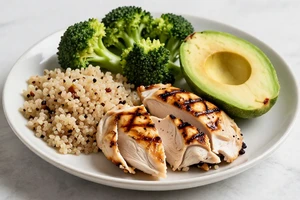
This error is about psychology, not math. In a burst of motivation, you might prep five identical containers of plain grilled chicken, steamed broccoli, and unseasoned brown rice. By day three, the thought of another bland meal becomes unbearable, leading to “prep abandonment.” You order takeout or scramble to make something else, wasting your prepped food and derailing your plan.
Your meal prep should be a service to your future self, not a punishment. Sustainability is key. If you don’t enjoy the food, you won’t eat it consistently, no matter how perfectly portioned it is.
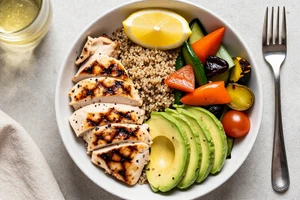
Build in variety and flavor. Use different herbs, spices, salt-free seasoning blends, vinegar, citrus juice, or mustard to create distinct profiles. Consider a “component prep” instead of fully assembled meals: cook a base grain, two proteins, a variety of roasted and raw veggies, and a couple of healthy sauces. This lets you mix and match throughout the week, preventing palate fatigue and giving you flexibility based on your daily cravings.
Successful meal prep is a blend of kitchen logistics and honest self-reflection. It requires treating the initial measuring and logging as non-negotiable, remembering that every ingredient counts, and designing a menu you’ll genuinely look forward to. By moving past these common pitfalls, you transform your prep from a hopeful routine into a truly reliable system. Your fridge full of containers becomes less of a question mark and more of a guarantee, each one a concrete step toward your goals.