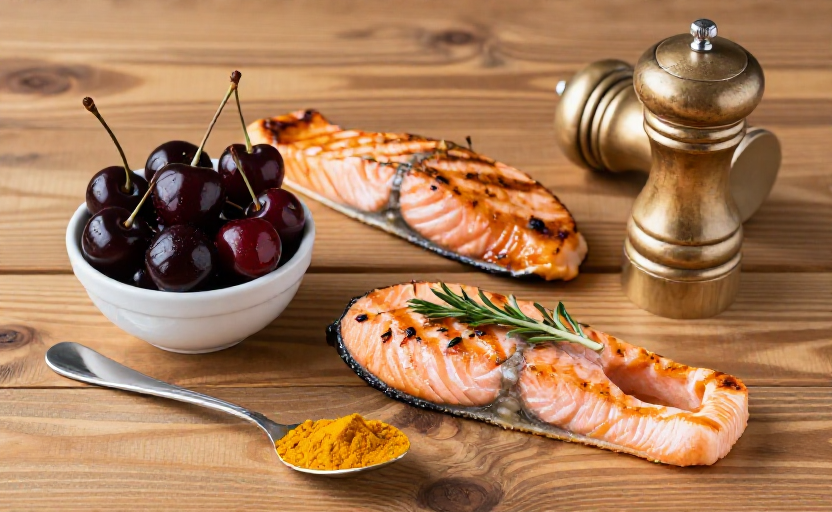
That deep, satisfying ache the day after a tough strength session is a sign your muscles are rebuilding — but when soreness lingers or feels excessive, it can slow your progress and steal motivation. While rest, hydration, and gentle movement help, the foods you eat play a surprisingly direct role in how quickly your body dials down inflammation and repairs tissue.
Here are three research-backed anti-inflammatory foods that can help reduce soreness between strength workouts. They're not miracle cures, but adding them to your regular routine may make those recovery days feel noticeably easier.
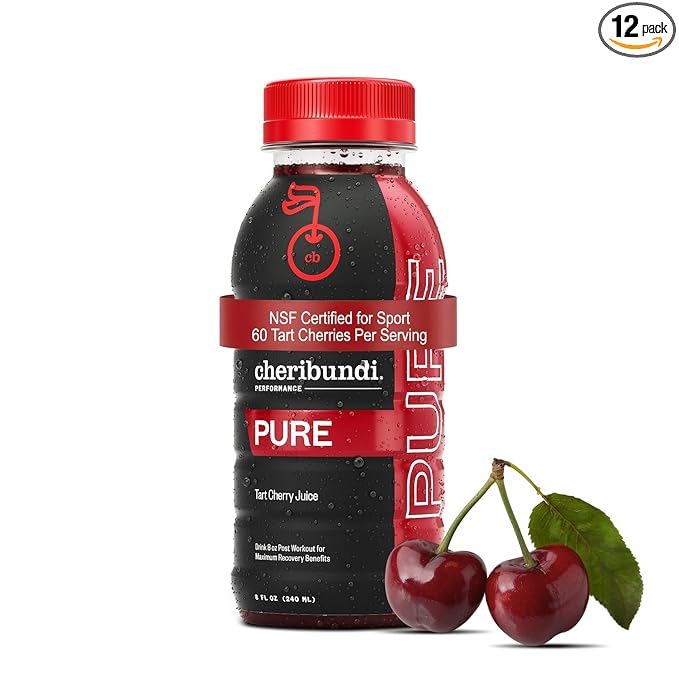
1. Tart Cherries (or Tart Cherry Juice)
Tart cherries are one of the most studied foods for exercise recovery. They're rich in anthocyanins — the compounds that give them their deep red color — and these act as powerful antioxidants that can lower oxidative stress and inflammation after intense lifting.
A 2021 meta-analysis in the European Journal of Sport Science found that tart cherry supplementation significantly reduced muscle soreness, strength loss, and markers of inflammation like C-reactive protein after demanding exercise. The effects were strongest when participants consumed the cherries (as juice, concentrate, or dried) in the days leading up to and immediately following a workout.
How to use them: A small glass of tart cherry juice after your session, or a handful of dried tart cherries mixed into oatmeal or yogurt. Look for unsweetened versions to avoid added sugar.
2. Fatty Fish (Salmon, Mackerel, Sardines)
Fatty fish are the most concentrated food source of long-chain omega-3 fatty acids (EPA and DHA). These fats get incorporated into your cell membranes and help produce resolvins — molecules that actively resolve inflammation rather than just blocking it. For lifters, that translates to less post-workout soreness and faster return to full strength.
A 2020 randomized trial in Nutrients showed that men who took fish oil for eight weeks had significantly lower levels of delayed-onset muscle soreness and better recovery of muscle function after eccentric exercise (the type that causes the most soreness). While the study used supplements, the same benefits apply to eating whole fish regularly — two to three servings per week is a solid target.
How to use them: Grilled salmon on a salad, sardines on toast, or canned mackerel mixed into a grain bowl. Canned options are convenient and cost-effective.
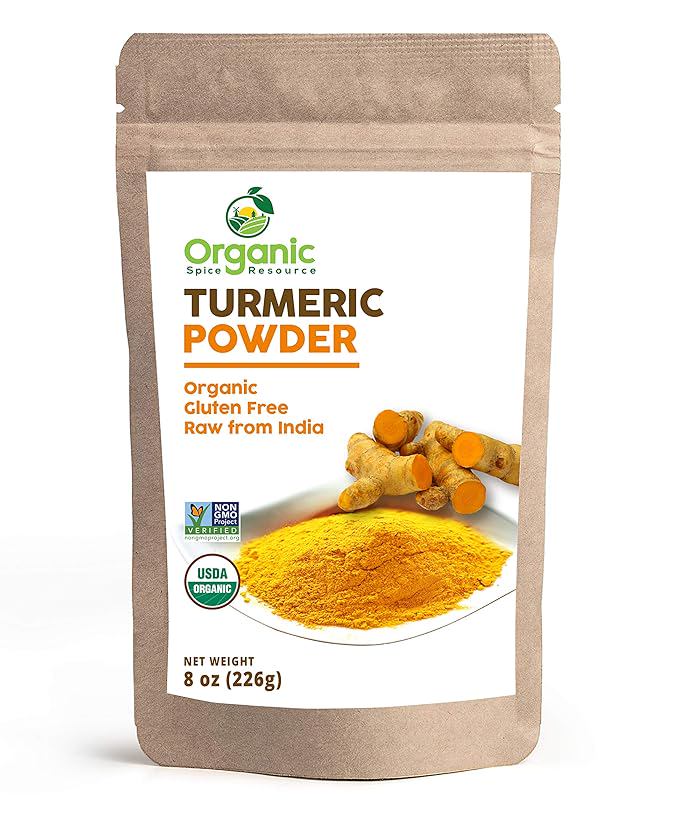
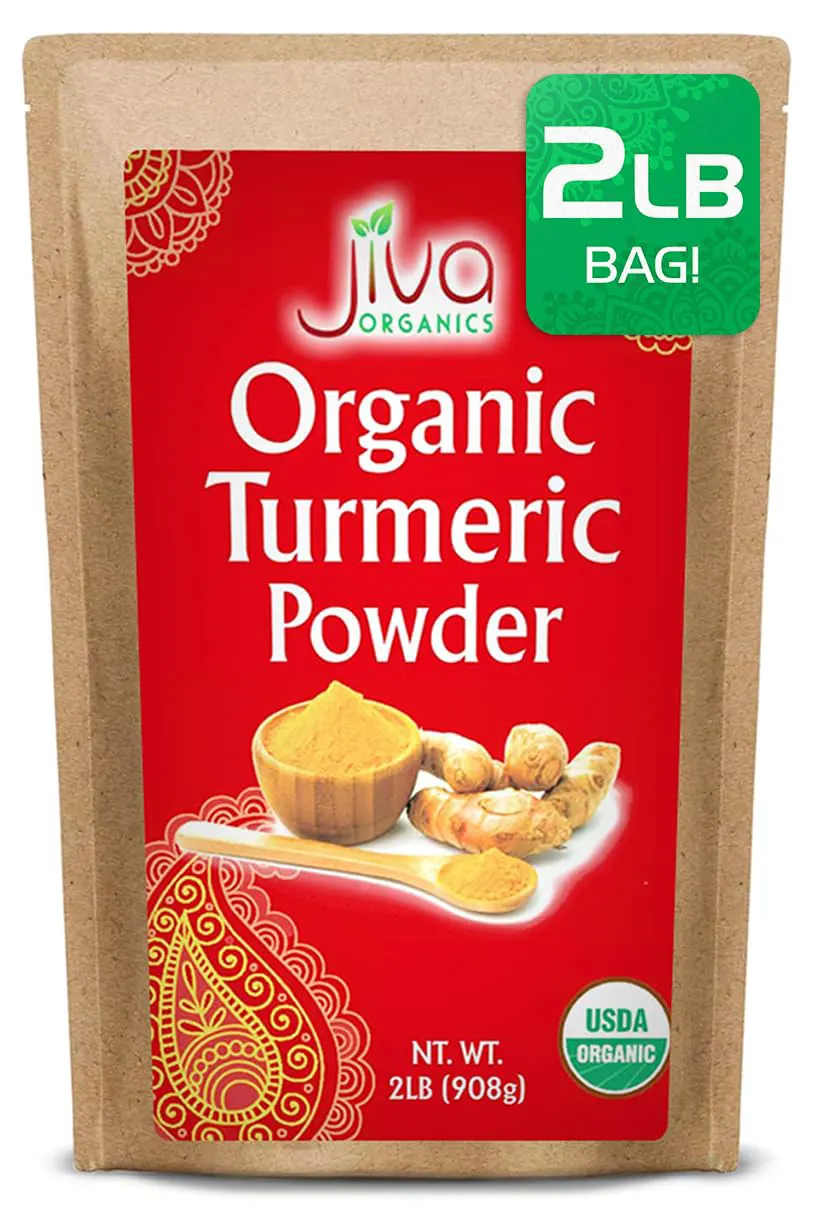
3. Turmeric (with a Pinch of Black Pepper)
Turmeric's active compound, curcumin, is a well-established anti-inflammatory agent. It works by blocking several pro-inflammatory signaling pathways, including NF-κB — a key switch for inflammation in your body. For strength athletes, that means curcumin can help dampen the inflammatory response that drives excessive muscle soreness after heavy sets.
A systematic review in the Journal of the International Society of Sports Nutrition found that curcumin supplementation reduced muscle soreness and markers of inflammation when taken before and after exercise. The catch: curcumin on its own is poorly absorbed. Pairing it with black pepper (which contains piperine) boosts absorption by up to 2,000%.
How to use it: Add turmeric and a crack of black pepper to soups, stews, scrambled eggs, or a post-workout smoothie. A turmeric latte (golden milk) with pepper and a touch of coconut milk is another easy option.
How These Foods Work Together (and What They Won't Do)
These three foods each target inflammation through different mechanisms — polyphenols from cherries, specialized fats from fish, and potent phytonutrients from turmeric. They're most effective when eaten consistently as part of a balanced diet, not as a one-time fix. They won't eliminate all soreness, and that's not the goal. Some muscle soreness is a normal, healthy sign of adaptation — if you never feel any ache, you might not be challenging your muscles enough.
Instead, think of these foods as tools to help modulate the inflammatory response so it doesn't spiral into prolonged discomfort that interferes with your next session. They work best alongside good sleep, adequate protein intake, and smart programming that avoids overtraining.
Quick Summary
- Tart cherries (or unsweetened juice) — anthocyanins lower oxidative stress and soreness.
- Fatty fish (salmon, mackerel, sardines) — omega-3s boost active resolution of inflammation.
- Turmeric (with black pepper) — curcumin blocks pro-inflammatory pathways.
Add one or two of these to your regular post-workout eating routine, and you may find that recovery feels less like a slog and more like a productive part of your training cycle.