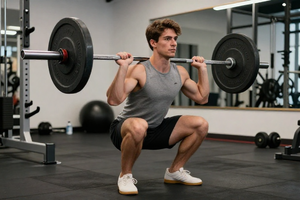

You crushed your workout. Your muscles feel worked, maybe a little tender the next day — that’s normal. But what about that deep, grinding ache that makes you wince when you reach for a coffee mug? Or the soreness that sticks around for four days instead of two?
Most of us chalk it up to a good session. Sometimes, though, that pain is your body’s way of telling you it didn’t get what it needed to rebuild. In particular, two distinct warning signs can signal that you missed your post-workout protein window — and your muscles are paying for it.
1. Your Soreness Has a “Stiffness” That Doesn’t Fade With Movement
Everyone experiences delayed onset muscle soreness (DOMS) after a challenging workout. It usually peeks around 24 to 48 hours post-exercise and then gradually loosens up as you move through your day. That’s normal muscle repair in action.
The warning sign comes when the soreness feels less like a general ache and more like a specific, persistent stiffness that doesn’t improve after you’ve walked around for 10 minutes. Your muscles might feel tight and “locked,” as though they haven’t gotten the building blocks they need to relax and begin repair.
Why protein matters: During resistance training, you create micro-tears in muscle fibers. Protein provides the amino acids necessary to repair those tears and rebuild stronger tissue. Without it, the repair process stalls, and your muscles stay in a prolonged state of contraction and inflammation.
A 2020 review in Nutrients noted that consuming protein post-exercise significantly reduces markers of muscle damage and speeds up recovery. When you skip it, your body doesn’t have the raw materials to “unlock” that stiffness.
2. The Same Workout Feels Harder Days Later (A “Stale” Fatigue)
The second red flag is a specific kind of fatigue: you go back to the gym (or even just walk up a flight of stairs) and a weight or movement that felt manageable during your workout now feels inexplicably heavy. Your legs feel like lead. Your shoulders ache before you’ve even lifted.
This isn’t your typical post-workout exhaustion. It’s a sign that your muscles haven’t replenished their glycogen stores or repaired the structural damage from your last session. Without protein, your body struggles to synthesize new muscle proteins, and you enter a cycle where micro-tears accumulate faster than they can be fixed.
How protein timing plays a role
Research suggests that eating 20-40 grams of protein within two hours after training optimizes muscle protein synthesis — the process that repairs and builds tissue. Miss that window, and your body turns to other sources (like breaking down existing muscle) to get the amino acids it needs. The result: that stale, “one-step-back” feeling that can last several days.
What to Do If You Notice These Signs
First, don’t panic. Missing one post-workout shake isn’t going to derail your progress. But if you’re regularly noticing these warning signs, it’s worth adjusting your recovery routine. Here’s what to check:
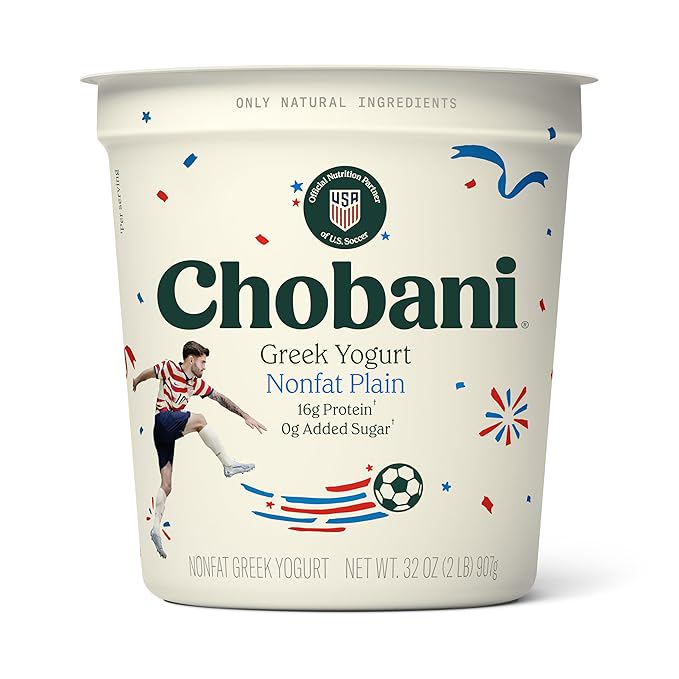
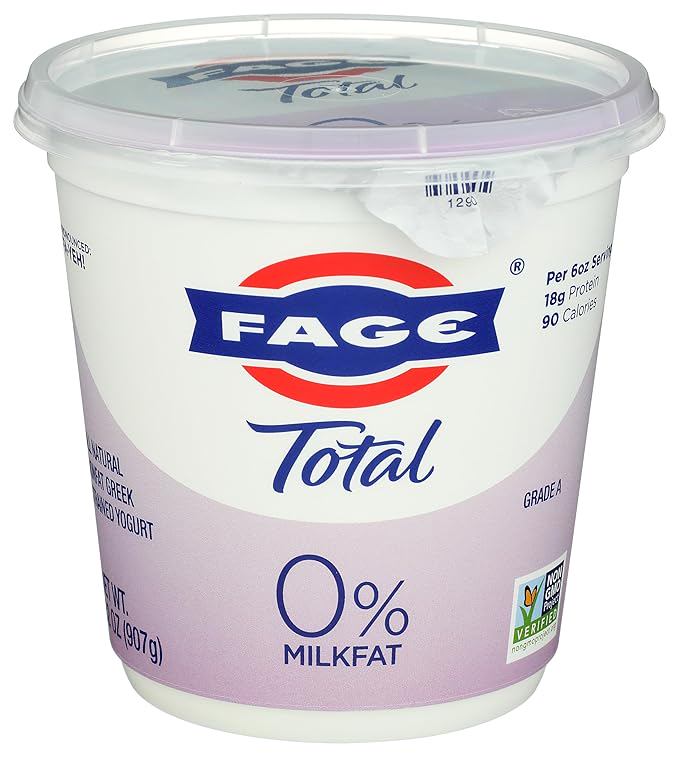
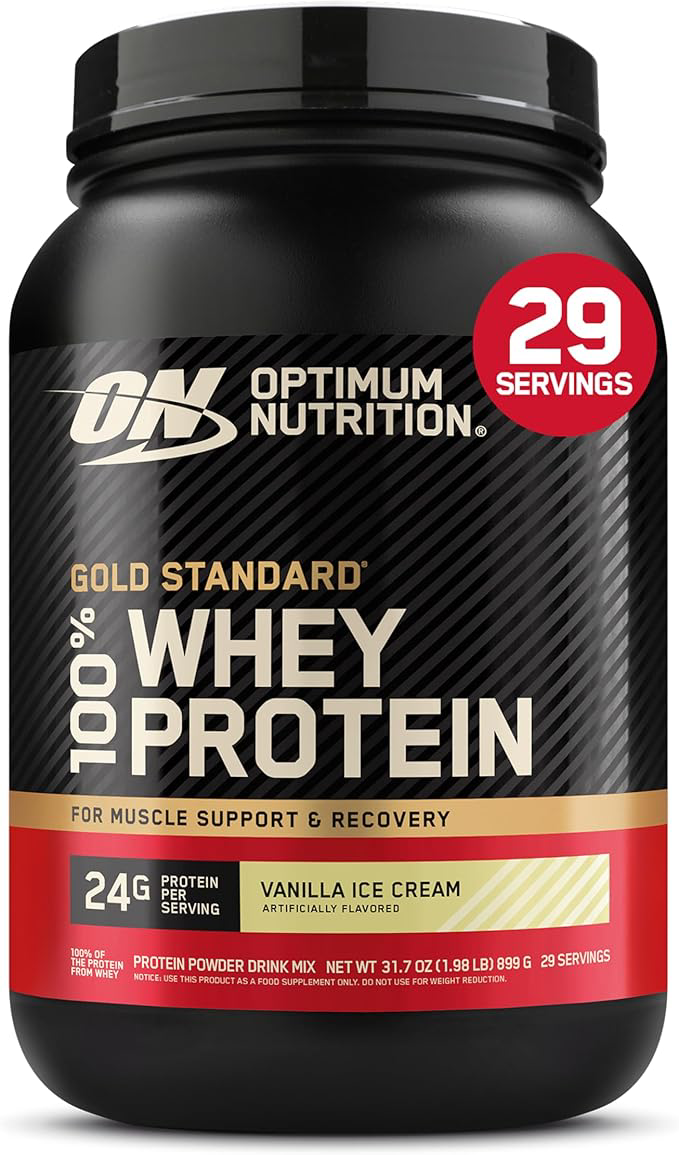
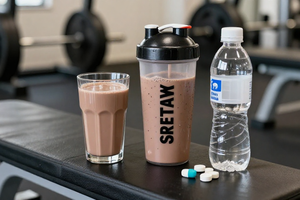
- Eat protein within two hours of finishing your workout. A shake, Greek yogurt, a chicken breast, or even a tofu scramble all work.
- Pair protein with carbs. A little carbohydrate (like fruit or rice) helps shuttle amino acids into muscle cells and replenishes glycogen.
- Stay hydrated. Dehydration amplifies soreness and fatigue, making it hard to tell whether you’re under-recovered or under-hydrated.
If the soreness persists longer than 72 hours or is accompanied by dark urine or significant swelling, see a clinician — that could signal rhabdomyolysis, a more serious condition that requires medical attention.
Post-workout protein isn’t just a gym-bro ritual. It’s a practical tool to help your body keep up with the demands you’re placing on it. When you skip it, your muscles send clear signals: stiffness that lingers, and fatigue that feels stale. Listen to those cues, and your next workout will feel like progress, not punishment.