You put in the work at the gym. You pushed through the last rep, kept your form tight, and left the rack feeling spent. But if you’re not seeing the strength numbers climb the way you expect, the culprit might not be in your training log—it could be sitting on your kitchen counter.
Post-workout nutrition is a precise tool. Eat the wrong thing, and you blunt the very adaptations you trained for. Here are two clear warning signs that your post-workout snack is actually working against your strength gains.
Sign #1: You Feel Heavy, Bloated, or Sluggish After Eating
This is the most immediate signal your body sends. A snack that leaves you feeling weighed down or causes gastrointestinal distress is actively interfering with recovery. When blood flow is diverted to your gut to process a large, high-fat, or high-fiber meal right after training, it slows the delivery of nutrients to your muscles.
The mechanics behind the feeling. After a strength session, your body needs rapid-absorbing nutrients to kickstart muscle protein synthesis and replenish glycogen. A snack high in saturated fats or excessive fiber (like a greasy burger with fries or a giant bean salad) sits in your stomach longer. This delays the release of amino acids into your bloodstream precisely when your muscles are most receptive to them.
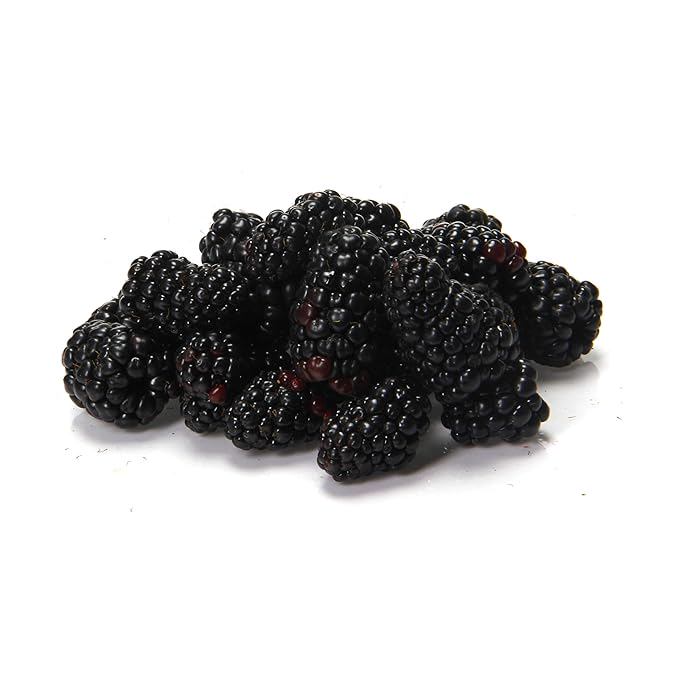
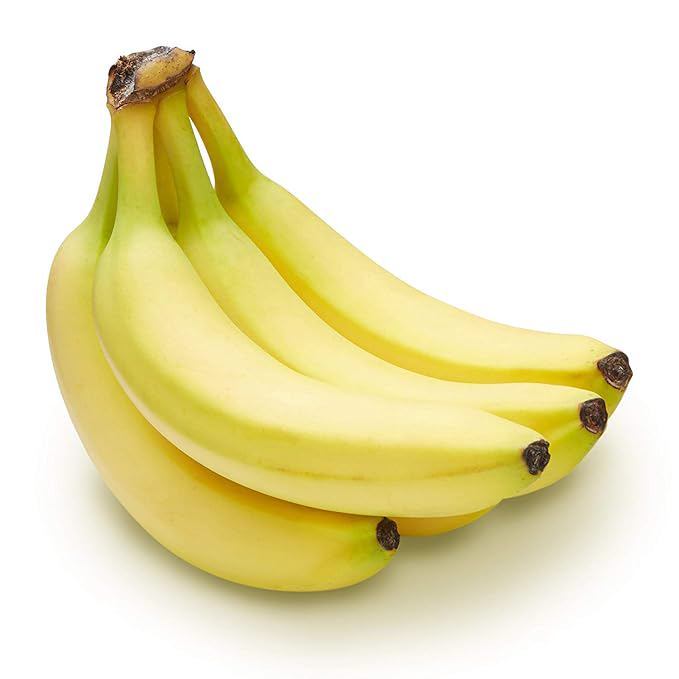
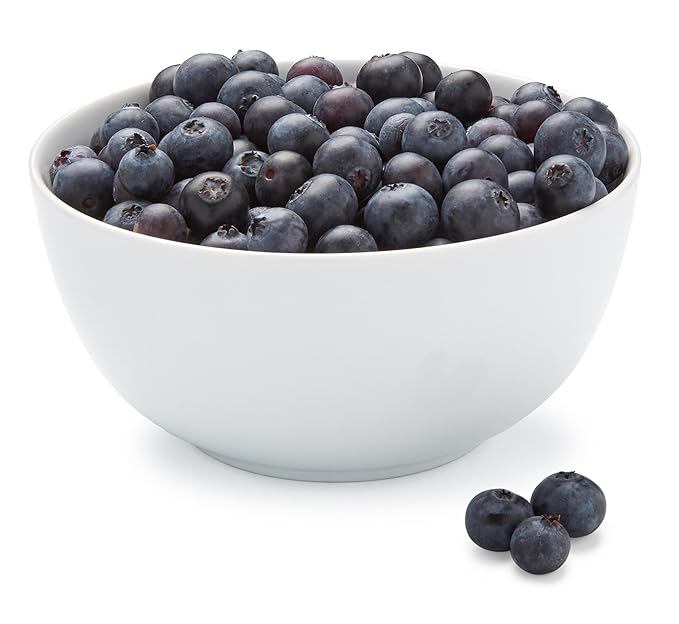
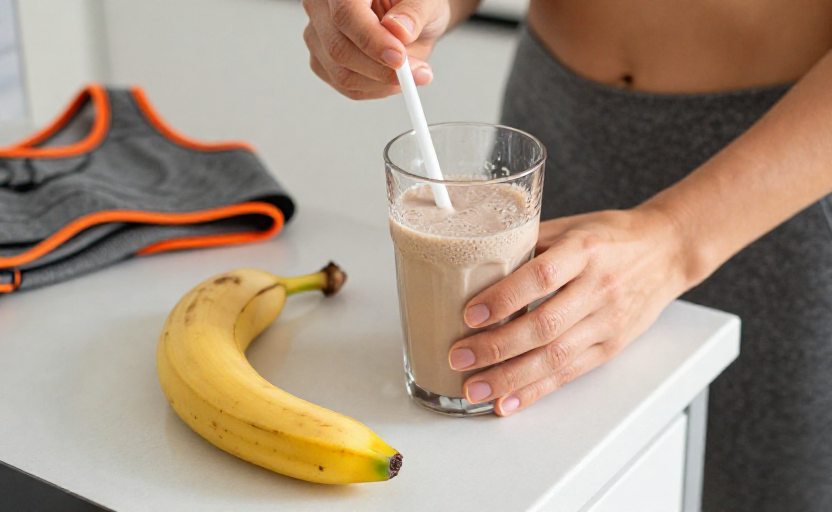
What to look for instead: Aim for a snack that is low in fat and moderate in fiber. A good rule of thumb is a 3:1 or 4:1 ratio of carbohydrates to protein with minimal fat. Think a scoop of protein powder with a banana, or a container of low-fat Greek yogurt with a handful of berries. If your snack feels heavy on the stomach, it’s likely heavy on the gains you’re missing.
A quick caveat: A small amount of fat (like the natural fat in milk or a tablespoon of peanut butter) is fine. The problem is a meal that is predominantly fat-based.
Sign #2: You’re Still Hungry or Craving Sugar Within an Hour
Your post-workout snack has a specific job: to refuel and repair. If you find yourself raiding the pantry 45 minutes later or experiencing a blood sugar crash that leaves you irritable, your snack likely lacked sufficient protein or relied on simple sugars alone.
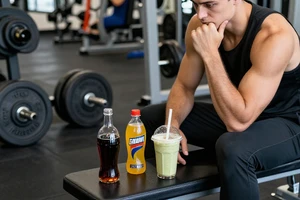
Why this happens. Many popular “high-energy” snacks are basically carbohydrate bombs. A giant sports drink, a sugary protein bar coated in chocolate, or a large fruit smoothie without protein will spike your blood sugar. Your body releases insulin to manage that spike, which can cause a rapid dip in blood glucose. This dip triggers hunger, fatigue, and cravings for more sugar—a cycle that does nothing for building lean mass.
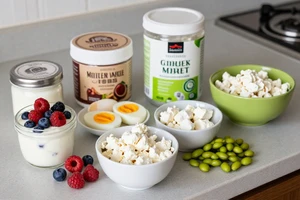
How to fix it: The core of your post-workout snack should be a complete protein source. For most people in strength training, 20–40 grams of protein is a solid target shortly after training. Pair that with a carbohydrate source that is not purely added sugar. White rice, a baked potato, oatmeal, or fruit work well because they digest quickly without causing the dramatic blood sugar roller coaster.
If you eat a protein-rich snack and still feel hungry, chances are you underestimated your total calorie needs. Strength training is demanding, and your snack might simply be too small. In that case, add more carbohydrate—not more fat or sugar—to the same snack.
Putting It All Together: The Practical Takeaway
Strength gains happen during recovery, not during the workout itself. Your post-workout snack is the raw material for that recovery. If you feel bloated or hungry after eating, those are not minor inconveniences—they are signals that your snack is poorly timed or poorly composed.
Your simple checklist:
- Timing: Eat within 30–60 minutes after your last set.
- Protein first: Prioritize a portion of lean protein (chicken, fish, eggs, whey, soy).
- Carbs with purpose: Choose digestible carbs like white rice, potatoes, or fruit—not sugary treats or heavy grains.
- Keep fat low: Save the avocado and nuts for your other meals.
By paying attention to how your body feels after your snack, you can fine-tune your nutrition to support, not undermine, your next PR.