
You’ve calculated your macros, you’re hitting your calorie target, and you’re choosing nutrient-dense foods. Yet, the scale isn’t budging, or your energy feels perpetually low. It’s a frustrating place to be, and it often leads us to question everything from our willpower to our metabolism. But there’s a subtle, often overlooked factor that could be the culprit: when you eat.
Meal timing isn’t about rigidly eating every three hours or skipping breakfast. It’s about the rhythm of your intake and how it aligns with your body’s natural cycles. When that rhythm is off, it can quietly undermine even the most diligent calorie deficit. Here are two specific warning signs that your meal timing might be working against you.
1. You’re Experiencing Intense, Disruptive Hunger at Night
Feeling hungry is a normal part of a calorie deficit. But there’s a difference between manageable hunger and a ravenous, almost compulsive need to eat that hits you in the evening. This isn’t just a willpower issue; it’s often a timing issue.
If you go long stretches without eating during your active hours—perhaps skipping breakfast, having a light lunch, or pushing your first meal late into the day—your body is running on fumes by evening. Your blood sugar dips, stress hormones like cortisol can rise to compensate, and the brain’s reward centers become hyper-responsive to food cues. The result is a powerful, physiological drive to consume calories, often leading to overeating on highly palatable, energy-dense foods. This can easily wipe out the deficit you carefully maintained all day.
Evening hunger isn’t a moral failing. It’s frequently your body’s delayed reaction to underfueling during daylight hours.
This pattern disrupts more than just your daily calorie count. Eating a large portion of your day’s intake right before bed, when physical activity plummets, means those calories are more likely to be stored. Furthermore, digestion can interfere with sleep quality, and poor sleep, in turn, disrupts the hormones that regulate hunger and satiety the next day, creating a vicious cycle.
What to observe:
- The quality of your hunger: Is it a gentle reminder or an urgent, distracting craving?
- Your food choices at night: Are you reaching for vegetables and protein, or do you feel pulled toward carbs and fats?
- Your daytime pattern: Map your intake. Do you have a four, five, or six-hour gap during which you’re highly active?
2. Your Energy and Focus Are on a Rollercoaster
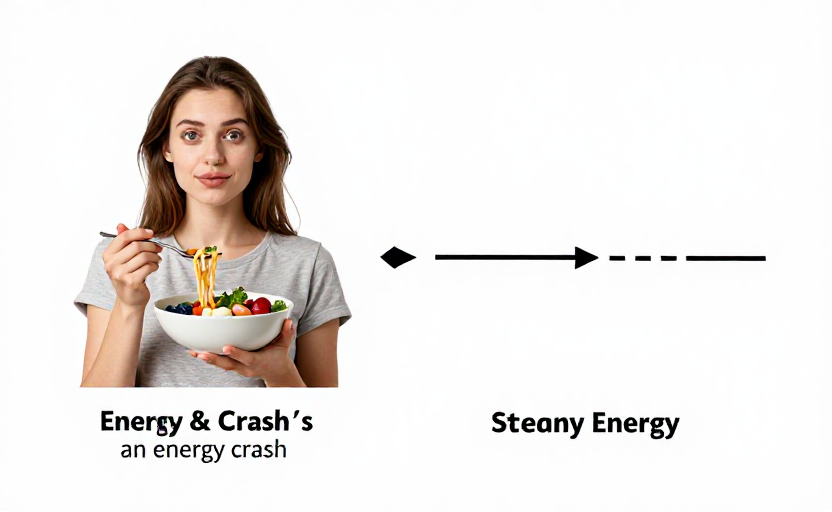
A sustainable deficit should leave you feeling functional, if perhaps a bit lighter on your feet. If your mental energy and physical stamina are constantly crashing and surging, your meal timing may be misaligned with your body’s energy demands.
Think of your body as a wood-burning stove. To keep a steady fire (metabolism and energy), you need to add logs at consistent intervals. If you let the fire burn too low, it takes a huge amount of fuel and effort to get it roaring again. Similarly, when you wait too long to eat, your blood glucose drops, leading to brain fog, irritability, and fatigue. The subsequent meal then causes a sharp spike in blood sugar, followed by another crash, trapping you in a cycle of energy instability.
This rollercoaster makes it incredibly difficult to engage in the activities that support your deficit, like focused work or enjoyable exercise. You’re more likely to skip a workout because you feel drained or to seek quick energy from a snack that doesn’t align with your goals.
So, what does better timing look like? It’s not one universal rule. For some, eating a substantial breakfast helps regulate appetite all day. For others, a larger lunch provides the energy for an active afternoon. The key is consistency and alignment.
Finding your rhythm:
- Listen to your true hunger signals, not the clock. Aim to eat when you feel the first gentle signs of hunger, not when you’re starving.
- Prioritize protein and fiber at every meal. These nutrients promote satiety and provide a slower, more sustained release of energy.
- Consider your activity window. Your body needs fuel for doing. Try to schedule your meals so that you have energy available for your most demanding tasks, whether that’s a workout, work, or parenting.
- Allow for a gentle wind-down. A smaller, balanced evening meal or snack a few hours before bed can prevent that late-night scramble and support better sleep.
Adjusting meal timing is a subtle art. It requires tuning into your body’s cues rather than following an external schedule. If you recognize these two warning signs—uncontrollable evening hunger and erratic energy levels—experiment gently with distributing your planned food intake more evenly across your waking hours. You may find that a small shift in when you eat is the key to making your deficit feel sustainable, rather than a struggle.