You finish a meal, maybe even a large one, and yet that familiar, hollow feeling returns far sooner than you expected. You might blame a fast metabolism or a lack of willpower, but often, the culprit is simpler: your meal didn't anchor itself with enough protein.
Protein is the cornerstone of satiety—the scientific term for that satisfied feeling of fullness that quiets hunger signals. When a meal lacks it, your body sends out the search party far too quickly. Learning to recognize the subtle signs your meal is protein-light can transform how you eat, helping you build plates that truly sustain you.
What does protein actually do for fullness?
Think of protein not just as a nutrient, but as a communication tool. When you eat it, it triggers a cascade of hormonal signals in your gut that tell your brain, "We're good here. We can stop thinking about food for a while." It slows down digestion, leading to a steadier, more prolonged release of energy. A meal rich in carbohydrates or fats alone might spike and crash your energy and hunger, but protein provides a stabilizing foundation.
This isn't about eating steak at every sitting. It's about achieving a functional balance on your plate. When that balance is off, your body has a way of letting you know.
The first sign: You're hungry again within an hour or two
The most direct signal is a rapid return of hunger. If you find yourself rummaging through the pantry or checking the clock for your next snack just 60 to 90 minutes after a complete meal, it's a strong indicator that your last meal was metabolically fleeting.
This happens because meals high in refined carbohydrates or low in protein are digested quickly. They cause a swift rise in blood sugar, followed by an equally swift drop. That crash is often accompanied by a resurgence of hunger hormones. Protein modulates this process. It adds a time-release mechanism to your meal, smoothing out the energy curve and keeping those hunger pangs at bay for a longer, more comfortable period—typically three to four hours for a well-composed meal.
A meal that keeps you full should feel like a slow-burning log on a fire, not a piece of kindling that flares up and is gone.
The second sign: You crave sweets or carbs specifically
Not all cravings are created equal. There's a distinct difference between general hunger and a specific, sometimes urgent, desire for something sweet or starchy shortly after eating. This targeted craving is a classic hallmark of a protein-poor meal.
When your meal lacks protein, the resulting blood sugar rollercoaster can leave your body seeking the fastest possible fuel to correct the dip: quick-release carbohydrates. Your brain starts signaling for cookies, chips, or candy, not a chicken breast. It's a physiological request for energy, misinterpreted as a desire for sugar. By including adequate protein from the start, you help maintain stable blood sugar levels, which often quiets those specific, distracting cravings.
How to visually audit your plate
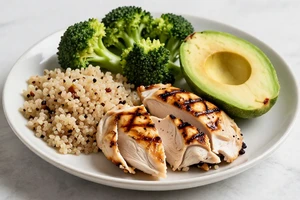
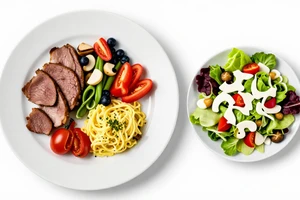
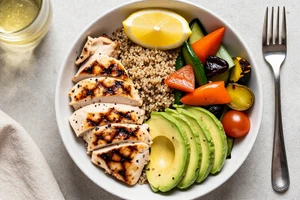
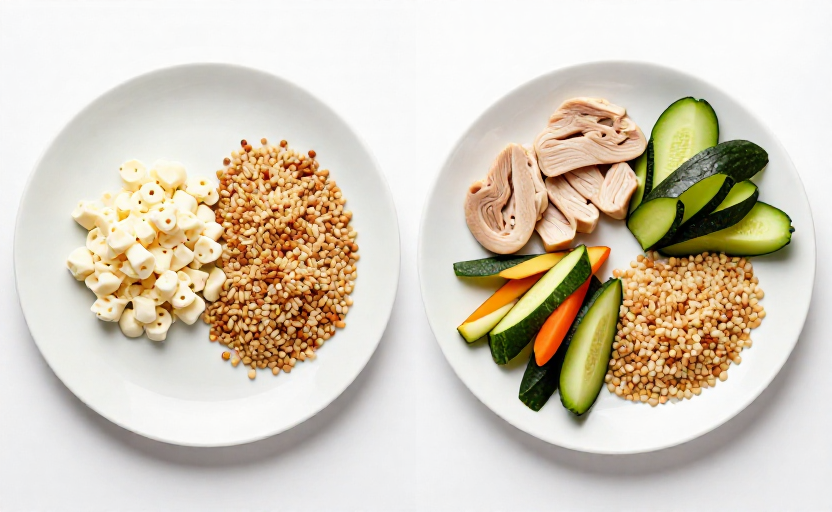
You don't need a food scale to make a good estimate. Before you start eating, take a glance. A simple model is to visualize your plate divided. Roughly one-quarter to one-third of the space should be occupied by a protein source. The rest is for vegetables, whole grains, or other carbohydrates, and healthy fats. If the protein portion looks more like a garnish or is missing entirely, you're likely setting yourself up for those warning signs.
Building a more satisfying plate
The goal is integration, not addition. You're not just piling on more food; you're thoughtfully including protein sources to create a cohesive, satisfying meal. The good news is that protein comes in many forms, fitting any dietary style.
- For omnivores: Lean chicken, turkey, fish, eggs, and cuts of beef or pork can be the centerpiece.
- For plant-based meals: Focus on legumes like lentils, chickpeas, and black beans, tofu, tempeh, edamame, or seitan. Since some plant proteins are less dense, you may need a slightly larger volume (think a full cup of beans versus a palm-sized piece of chicken).
- For dairy and eggs: Greek yogurt, cottage cheese, and eggs are versatile and satisfying options.
Remember that balance is key. Pair that protein with fiber-rich vegetables and whole-food carbohydrates. The combination of protein and fiber is particularly powerful for sustained satiety.
Listening to your body's signals is the first step toward eating in a way that truly nourishes and sustains you. If you consistently notice hunger returning too soon or find yourself battling specific cravings, view it as useful feedback. It's your body's way of asking for a more substantial anchor at mealtime. By making a conscious effort to include a solid source of protein in each meal, you build a foundation for steady energy, managed hunger, and overall satisfaction that lasts well beyond your last bite.