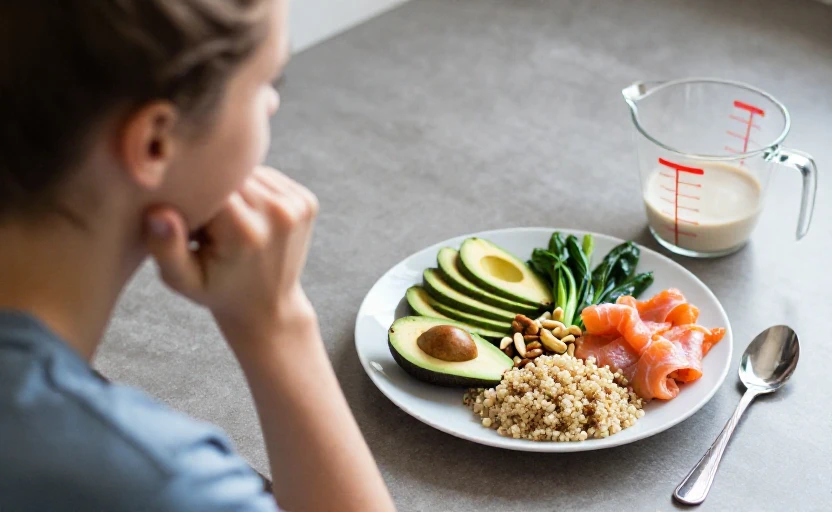
It’s a quiet, modern dilemma. You’ve swapped chips for carrot sticks, traded ice cream for Greek yogurt, and filled your pantry with whole grains and nuts. You’re eating the “right” things, yet something feels off. The scale might be creeping up, or you just feel perpetually full and sluggish. This experience is more common than you might think, and it points to a subtle truth: even the most nutritious foods have a limit. When we cross that line, the health benefits can plateau or even reverse. The key isn’t just what you eat, but how much of it you eat.
Overeating healthy foods isn’t about a lack of willpower; it’s often born from good intentions. We’re told these foods are good for us, so we assume more is better. We might eat mindlessly from a large bag of almonds while working, or pour a second generous serving of quinoa because it’s a “superfood.” But calories and portions still matter, regardless of the food’s nutritional pedigree. Recognizing the signs can help you realign your habits with your goals, creating a more balanced and truly nourishing approach to eating.
Sign 1: Your Weight Loss or Maintenance Has Stalled (or Reversed)
This is often the most concrete signal. You’ve committed to a healthier diet, yet the number on the scale isn’t budging—or it’s slowly climbing. This can be incredibly frustrating and confusing. The mechanism, however, is straightforward: you’re consuming more energy (calories) than your body is using.
Healthy foods are typically more nutrient-dense, but they are not always low in calories. Consider a few examples:
- Avocados and nuts are packed with healthy fats, fiber, and vitamins, but they are also calorically dense. A handful of nuts is a great snack; three handfuls can add several hundred calories.
- Whole grains like oats and quinoa are excellent complex carbohydrates, but a cooked cup of quinoa contains over 200 calories. Portions can easily double if we’re not mindful.
- Natural nut butters and olive oil are kitchen staples for good reason, but a tablespoon of either is about 100 calories. It’s very easy to drizzle or scoop more without noticing.
The body doesn’t distinguish between a “good” calorie and a “bad” calorie when it comes to energy balance. It simply counts them.
If your weight goals have stalled despite a clean diet, it’s worth gently auditing your portions of these healthy, high-calorie staples. It’s not about eliminating them—their nutritional value is crucial—but about fitting them into your day’s total energy needs.
Sign 2: You Feel Consistently Overfull and Sluggish
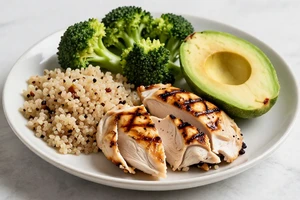
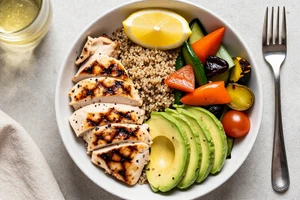
Physical sensations are powerful messengers. While it’s normal to feel satisfied after a meal, a pattern of feeling heavy, bloated, or lethargic is worth paying attention to. This can happen even when your plate is filled with vegetables, lean protein, and whole grains.
Overeating, even healthy foods, demands more work from your digestive system. Your body diverts significant energy to process the large volume, which can leave you feeling tired. Furthermore, excessive fiber from huge salads, broccoli, and beans, while beneficial in proper amounts, can lead to significant bloating and gas if introduced or increased too quickly.
This sign is also deeply connected to how you eat. Are you eating quickly at your desk, barely tasting your food? Distracted eating makes it very difficult to tune into your body’s satiety cues—the subtle signals that you are comfortably full. You might clean your plate simply because it’s there, not because your body needs it.
How to Find Your Balance
Recognizing the signs is the first step. The next is making gentle, sustainable adjustments that honor both nutrition and satisfaction.
Relearn Portion Awareness
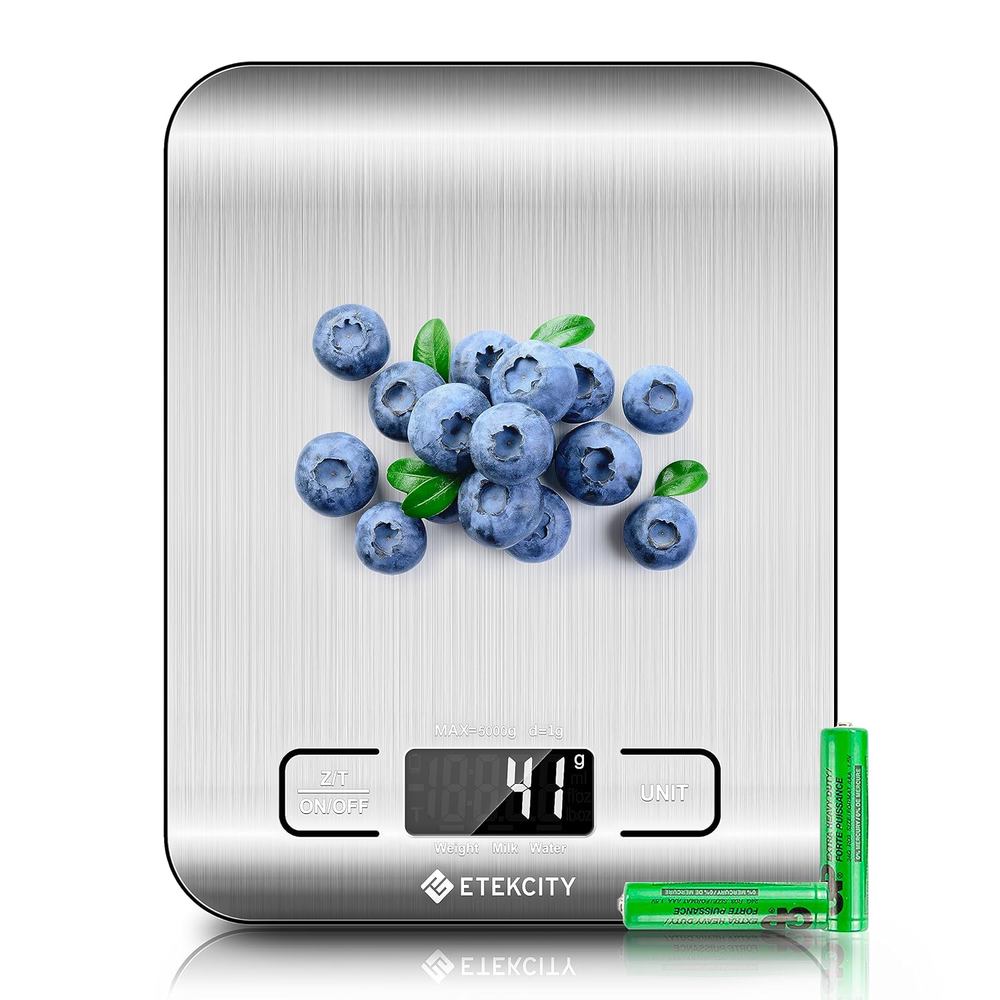
You don’t need to weigh everything forever, but doing so for a short period can be enlightening. Use a kitchen scale or measuring cups for a week to see what a standard serving of your go-to healthy foods actually looks like on your plate or in your bowl. You might be surprised. After this reset, you’ll be better equipped to eyeball portions accurately.
Practice Mindful Eating
This is the antidote to distracted consumption. Try to eat without screens. Put your fork down between bites. Chew thoroughly. Check in with yourself halfway through the meal: Am I still hungry, or am I eating out of habit? This simple pause creates space for your body’s natural satiety signals to reach your brain.
Structure Your Meals and Snacks
Having a rough framework can prevent endless grazing. Aim for balanced meals that include protein, healthy fats, and fiber. This combination promotes sustained fullness. If you snack, portion it out onto a plate instead of eating directly from the package. This simple act creates a visual and mental stopping point.
Listen to Your Body’s True Cues
Learn to differentiate between head hunger and stomach hunger. Are you eating because you’re bored, stressed, or because it’s “time”? Or do you have genuine physical hunger pangs? Similarly, aim to stop eating when you feel about 80% full—comfortably satisfied, but not stuffed. It takes about 20 minutes for your brain to register fullness, so eating slowly is key.
Shifting your focus from just “eating clean” to “eating with awareness” is a profound step toward sustainable wellness. It allows you to enjoy the vibrant benefits of nutritious foods without the unintended consequences of overconsumption. Remember, the goal is nourishment, not perfection. By tuning into these two warning signs and adjusting with curiosity rather than criticism, you build a more intuitive and truly healthy relationship with food.