You’re committed to your strength training. You show up, you push, you progressively overload. That discipline is exactly how you get stronger. But there is a fine line between productive strain and overtraining a specific muscle group. Knowing where that line sits—and the two unmistakable signs that you’ve crossed it—could save you weeks of stalled progress, nagging pain, and even injury.
Overtraining doesn’t happen overnight. It creeps in when you increase volume or intensity faster than your body can adapt. While general overtraining syndrome affects your whole system, local overtraining hits one muscle group (your quads, chest, or shoulders, for example). Here are the two symptoms that tell you a specific muscle group is being pushed past its capacity to recover.
1. A Persistent, Localized Ache (Not Normal Soreness)
We all know delayed onset muscle soreness (DOMS) after a hard leg day. That dull, diffuse ache peaks about 24 to 72 hours post-workout and fades. The symptom of overtraining feels different. It shows up as a persistent, localized ache that never fully goes away—even after two or three rest days. You might feel it as a deep, gnawing discomfort in the front of your shoulder or the belly of your bicep. It doesn’t spike intensely with movement, but it also doesn’t quiet down when you rest.
How to tell it apart from a strain
A muscle strain typically produces a sharp, sudden pain at the moment of injury. This overtrained ache is subtler. It might be a background hum that turns into a dull throb during your warm-up set. If pressing your fingers into the muscle belly hurts more than the opposite side, or if the muscle feels unusually dense and tender, you are looking at local overtraining.
Check-in: If the same spot still aches on your third consecutive rest day, treat it as a red flag. That muscle group is not recovering between sessions.
2. A Noticeable Strength Drop or Stalled Progress
The second major symptom is a clear, measurable decline in performance—not just a bad day, but a week or more where you cannot lift weights you once handled easily. You might fail on a rep at 80 percent of your max when you used to grind through at 90 percent. Or maybe your bench press has flatlined for two weeks despite adding more sets. This is not a plateau from needing a harder program; it is a sign that the central nervous system and the muscle fibers themselves are fatigued and under-recovered.
In the early stages of overtraining, you may also feel that your mind-muscle connection is off. You just can’t seem to contract the muscle fully, or you feel joint strain because your stabilizers are exhausted. Strength is supposed to trend upward over time, not drop by 10 to 15 percent from one session to the next. If you see that, back off.
Why These Two Symptoms Matter
Your muscles grow during recovery, not during the workout itself. When you overtrain a specific group, you interrupt the repair cycle. The microtears from lifting don’t heal, inflammation lingers, and you accumulate fatigue in the connective tissue. Over weeks, that can lead to tendinopathy or a full tear. Catching the persistent ache and the strength drop early lets you adjust before structural damage occurs.
What to Do If You Spot These Symptoms
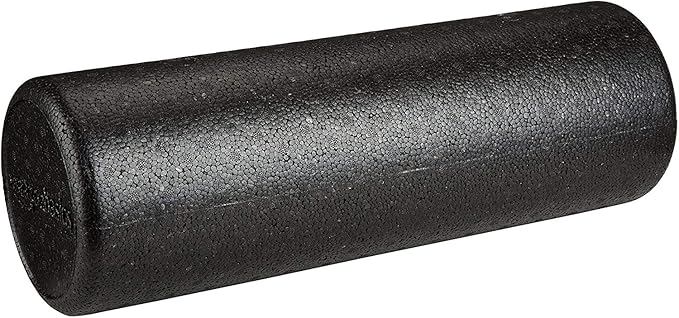
If either symptom lasts longer than four to five days, act. Cut the volume for that muscle group by 50 percent for one week. Replace heavy compound lifts with isolation work at lower intensity, or take a full deload week where you train at roughly 60 percent of your usual load. Increase protein intake to support repair and prioritize sleep—seven to nine hours, not six. You can also add foam rolling and gentle stretching for that specific area, but avoid deep-tissue work if it causes sharp pain.
If the ache persists after a full deload, see a physical therapist or sports medicine professional. Pain that does not respond to reduced training might be an early overuse injury rather than simple overtraining.
Prevention Going Forward
Use periodization to avoid hitting the same muscle group with max effort every session. For example, follow a heavy bench press day with a lighter, higher-rep chest day three to four days later. Rotate exercises—don’t do barbell bench every single time; include dumbbell incline presses or dips. Track your lifts in a log. If you see a downward trend in performance for the same exercise over two weeks, that is your cue to deload before symptoms even start.
Listen to that persistent ache. Respect the strength drop. These two symptoms are not a sign of weakness—they are data. Adjust your training, let the muscle recover, and you will come back stronger.