You time your pre-workout meal perfectly—or at least you think you did. Then, halfway through your third set of deadlifts, your stomach starts staging a protest. Or maybe you feel strangely heavy, like your body is working against you rather than with you.
Eating too close to a strength workout doesn't just feel uncomfortable. It can actually compromise your performance. Digestion requires blood flow, and so do your working muscles. When both systems compete for resources, you get the worst of both worlds: incomplete digestion and a subpar training session. Here are two specific symptoms that tell you your pre-workout timing is off—and what to do about it.
1. Nausea or Sloshy Stomach During Heavy Lifts
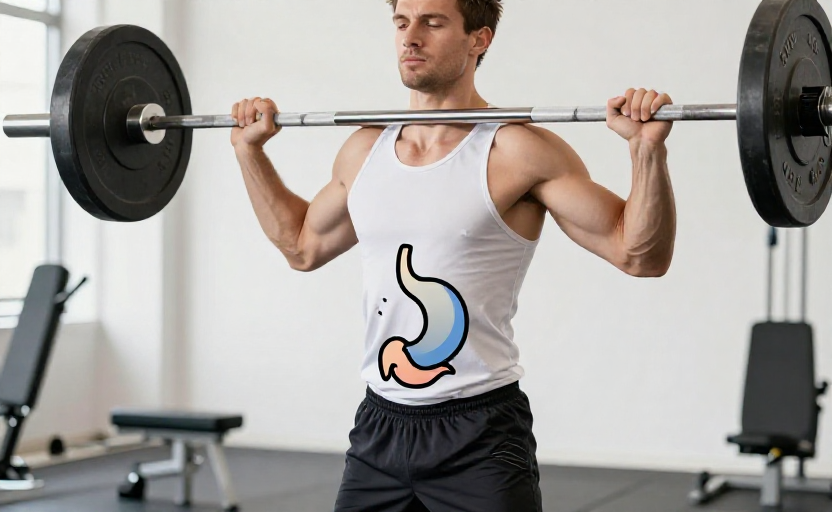
The most immediate red flag is a feeling of nausea, queasiness, or a watery, sloshing sensation in your stomach when you brace for a lift. This isn't just about being uncomfortable. When you eat too close to training—say, within 30 to 45 minutes—your stomach is still actively digesting. Gravity and the jostling of movement can cause the contents to slosh against the upper part of your stomach and esophagus, triggering the vagus nerve, which sends a nausea signal to your brain.
For strength athletes, this is a particular problem because of the valsalva maneuver. When you take a deep breath, brace your core, and bear down to lift heavy, you increase intra-abdominal pressure. That pressure pushes upward on the stomach. If your stomach is full, that pressure can force stomach acid and partially digested food up into your esophagus, causing reflux, burping, or outright vomiting. This doesn't just ruin your set—it can be dangerous if you have to drop the bar mid-lift.
What to adjust
If you get queasy easily, push your last real meal to at least 90 minutes before training. For a quick top-up—like a banana or a scoop of protein—30 to 60 minutes is usually fine, but start on the longer side and see how you feel.
2. Feeling Sluggish, Heavy, or Low Energy
The second symptom is less dramatic but just as damaging: a persistent feeling of lethargy, digestive bloat, or "heaviness" that makes every rep a grind. This happens because blood flow is being shunted to your gut to handle digestion, leaving less oxygen and fuel available for your working muscles. Your heart has to work harder to pump blood to two demanding systems at once, so your heart rate rises faster than usual, and your perceived exertion skyrockets.
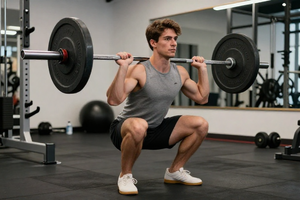
You might also notice that your gym performance feels weaker despite feeling stuffed rather than weak. This is the opposite of the intended purpose of eating before exercise. The goal of a pre-workout meal is to top off glycogen stores and provide amino acids; the goal is not to leave you in a food coma. Large meals containing high fat, high fiber, or heavy protein can sit in the stomach for three to four hours. If you ate a big, balanced meal 45 minutes before squatting, your body is asking you for a nap, not a PR.
Try this: If you feel heavy and slow at the gym, look at the size and composition of your last meal. A smaller, carbohydrate-focused snack (like a piece of fruit or a small bagel) digests much faster than a full chicken breast with broccoli and rice.
Why Timing Varies From Person to Person
There's no one-size-fits-all pre-workout window. A 25-year-old male lifter with a fast metabolism might tolerate a full meal 60 minutes before lifting. A 45-year-old female lifter might need two full hours. The key variables are meal size, meal composition, and your individual digestion speed.
- High fat or fiber: These slow gastric emptying. A burrito or a salad before lifting is a recipe for the symptoms above.
- High sugar or simple carbs: These are quick fuel but can spike and crash blood sugar, leaving you shaky mid-workout.
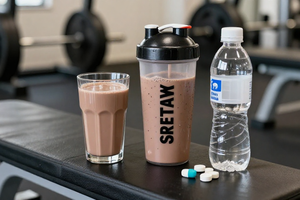
- Protein and carbs: This is a solid combo, but the total volume matters. A small shake and a banana? Fine. A full chicken plate with potatoes? Give it time.
What works for your training partner may not work for you. It's worth experimenting with a 30-minute shift in either direction. If you consistently hit your session without either nausea or sluggishness, you've found your personal sweet spot.
What About Hydration?
Drinking too much water right before or during a heavy lift can also create a sloshy, uncomfortable feeling. This is separate from eating, but it compounds the problem. If you feel bloated and waterlogged, try spacing out your fluid intake across the hour before training rather than chugging a whole bottle right before you start.
Quick Guidelines for Pre-Workout Eating
- More than 2 hours before: A full, balanced meal (protein, carbs, fat) is fine.
- 1 to 2 hours before: Stick to moderate portions, lower in fat and fiber.
- 30 to 60 minutes before: A light snack, primarily carbohydrates.
- Less than 30 minutes before: A liquid source like a small smoothie or just water. Solid food is risky.
Listen to your body. Nausea and sluggishness during strength training are not badges of honor—they are signals. Respect them, adjust your timing, and your lifts will feel stronger, smoother, and far more productive.