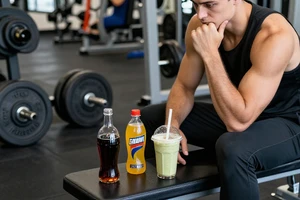
Standing in front of an open pantry before a workout can feel a lot like standing at a crossroads. Grab something too heavy, and you risk that sloshing, crampy feeling mid-rep. Grab too little, and your energy fades by the third set. The science of fueling for a workout has been boiled down to a few core principles, but most advice skips the practical part: how to pick the actual snack.
Let's streamline your pre-training fueling with two straightforward, expert-backed rules that work for most people, most of the time. These aren't complicated meal plans. They are mental shortcuts that help you make a smarter choice in about thirty seconds.
Rule 1: The 1–2 Hour Window Is Non-Negotiable
Timing is the most overlooked variable in pre-workout nutrition. Your body needs time to digest and absorb, but it also needs fuel available in the bloodstream when your muscles start demanding it. The sweet spot? A small, balanced snack roughly one to two hours before exercise.
Eating too close to your session (think ten to fifteen minutes before) diverts blood flow to your stomach for digestion at the exact moment your muscles need it for performance. The result is often a side stitch, acid reflux, or just feeling heavy. Eating too far out (three hours or more) means your blood sugar may have already tapered off, leaving you running on fumes.
This timing principle works because it allows for a modest rise in blood glucose without spiking insulin so high that it crashes mid-workout. A 2018 review in the Journal of the International Society of Sports Nutrition noted that pre-exercise meals consumed 60–120 minutes prior consistently support better endurance and strength output compared to eating immediately before or training fasted.
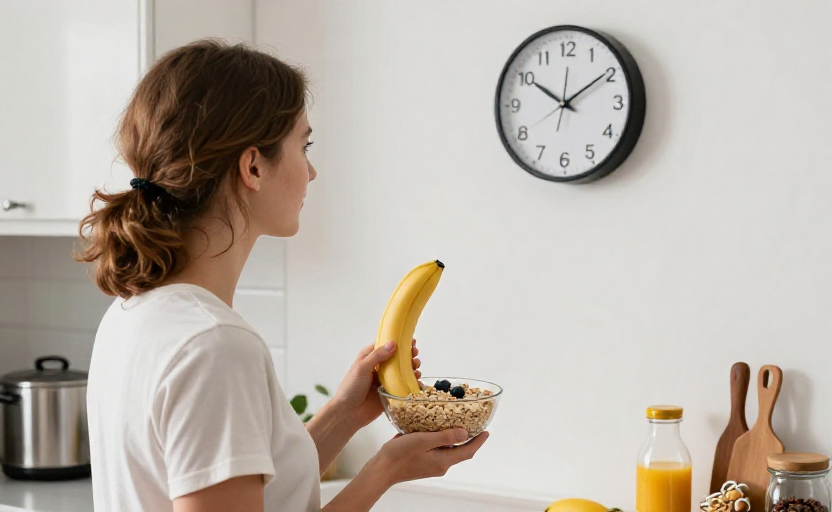
The practical takeaway: Schedule your snack. Set a mental timer. If your workout starts at 6:00 PM, your snack needs to be on your plate between 4:00 and 5:00 PM. If you miss that window, you're better off with a very light option (like half a banana) fifteen minutes out rather than a full snack.
What to Eat When Time Is Tight
If the one-hour mark is all you have, prioritize simple carbohydrates. These digest faster than protein or fat. A piece of fruit (apple, banana, or a handful of berries) with a small glass of water is a safe bet. Hold the nuts, seeds, or heavy nut butter at this stage—fats slow gastric emptying.
Rule 2: Prioritize Carbs, but Don't Ignore a Touch of Protein
The second rule is about composition. For the majority of strength-training and fitness sessions, carbohydrates are your primary performance fuel. They replenish muscle glycogen (the stored energy your muscles draw on during lifting, sprinting, or high-rep work). Protein plays a supporting role—it helps blunt muscle breakdown during exercise and primes the recovery process, but it doesn't need to be a full serving.
A 2021 position stand from the Academy of Nutrition and Dietetics, Dietitians of Canada, and the American College of Sports Medicine recommends a carbohydrate intake of roughly 1–4 grams per kilogram of body weight in the 1–4 hours before exercise, depending on the session's intensity. For a standard 150-pound person, that translates to about 30–60 grams of carbs in the pre-workout snack.
The practical breakdown for your snack:
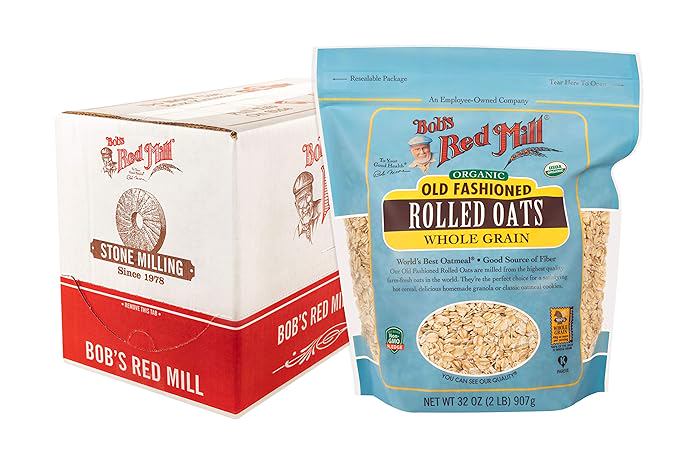
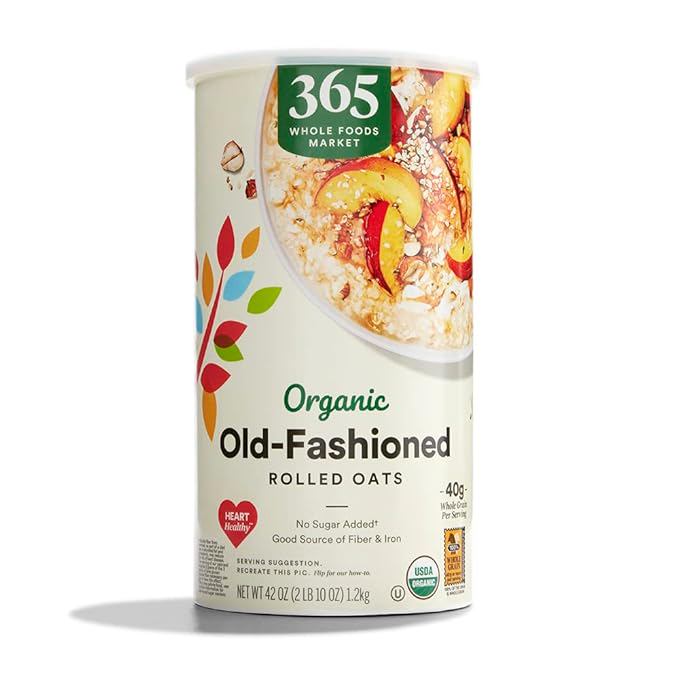
- Carbs: Think oats, a rice cake, a slice of whole-grain toast, a banana, or a small sweet potato. These are predictable energy sources.
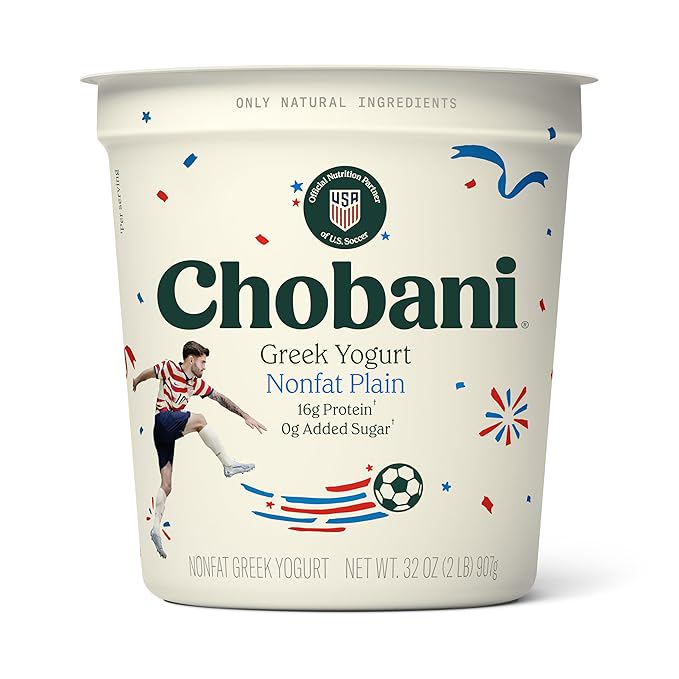
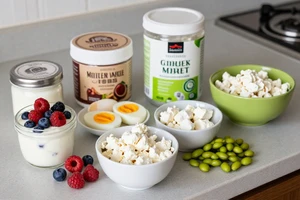
- Protein: A small amount—think one-third of a scoop of protein powder, a tablespoon of Greek yogurt, or a thin spread of cottage cheese. Enough to signal muscle sparing, but not enough to slow digestion.
- Fat: Keep it low. A little goes a long way; fat increases satiety and can delay energy release past your workout window. Skip the avocado toast before a session.
Think of your pre-workout snack as a fuel supplement, not a meal. If it feels like a full lunch, it's probably too much.
The 15-Minute Test for Your Snack Choice
Not all carbs are created equal here. If you tend toward digestive sensitivity, high-fiber foods (think dense bran muffins or a large apple with the skin) may cause bloating. Try a peeled banana, a white rice cake with a dab of jam, or a small glass of fruit juice. You want quick-energy carbs, not slow-digesting fiber bombs.
Putting the Rules Together: A Simple Decision Tree
You can combine timing and composition into a quick mental checklist. When you reach for a pre-workout snack, ask yourself two questions:
- How long until I train? More than one hour? You can include a small amount of protein. Less than one hour? Stick to simple carbs only.
- What type of workout? Lifting heavy or doing high-intensity intervals? Carb-dominant is best. A lighter session (yoga, walking, low-intensity cardio)? A smaller snack or even half the portion works.
That's it. No calorie counting required. No weighing food. Just two filters that narrow your choices instantly.
Three Safe-Bet Snack Ideas for Strength Training
These combinations align with both rules—easy on digestion, carb-forward, with a small protein anchor:
- One small banana + 1 tablespoon almond butter (timing: 60–90 minutes out)
- One slice whole-grain toast + thin spread of cottage cheese or jam (timing: 90–120 minutes out)
- Half cup plain oatmeal + a splash of milk + a few berries (timing: 90–120 minutes out)
Notice a pattern? Portions are small and purposeful. None of these are oversized, and none are loaded with fat or fiber.
When These Rules Don't Work for You
Individual variation matters. Some athletes feel best training fully fasted (especially early morning sessions). Others need a bit more fat to feel satisfied. If you have a medical condition (such as diabetes or gastroparesis), you should discuss pre-workout fueling with your healthcare provider rather than following general guidelines.
These two rules are a starting point—not a prescription. Try them for a week, then adjust based on how you feel during your workout. If you're dragging by the middle of your session, the snack may have been too small or too far out. If you feel bloated or heavy, it was likely too large or too close to exercise.
Ultimately, choosing the right pre-workout snack isn't about finding a magical food. It's about respecting a small timing window and giving your body the simple fuel it needs—nothing more, nothing less.