
Reducing sodium often feels like a trade-off: you give up salt, and your food gives up taste. But according to dietitians and food scientists, a few smart swaps can lower your sodium intake significantly while keeping meals just as satisfying. The trick is to focus on ingredients that naturally amplify flavor — umami, acid, and aromatic herbs — instead of reaching for the salt shaker.
Below are two expert-backed food swaps that help you cut back on sodium without making your plate feel bland or punishing.
Swap #1: Replace Table Salt with a Citrus-Herb Blend
Salt is a flavor enhancer, but it’s not the only one. Acid and fresh herbs stimulate the same taste receptors — and often do a better job at making food taste bright and layered. A simple blend of lemon zest, orange zest, dried oregano, and black pepper can replace salt in marinades, roasted vegetables, fish, and salad dressings. The citrus oils provide instant aroma, while the herbs add depth.
Registered dietitian nutritionist Maya Feller explains: “Acid tricks the palate into perceiving saltiness. When you add a squeeze of lemon or a splash of vinegar, you don’t miss the sodium as much because your brain registers that same mouth-watering quality.”
Try this in practice: next time you season chicken or tofu, skip the salt and rub the surface with grated lemon zest, minced garlic, and thyme. Let it sit for 10 minutes before cooking. The result is juicy, fragrant, and far from bland.
Swap #2: Use Nutritional Yeast or No-Salt Seasoning Blends Instead of Soy Sauce or Bouillon
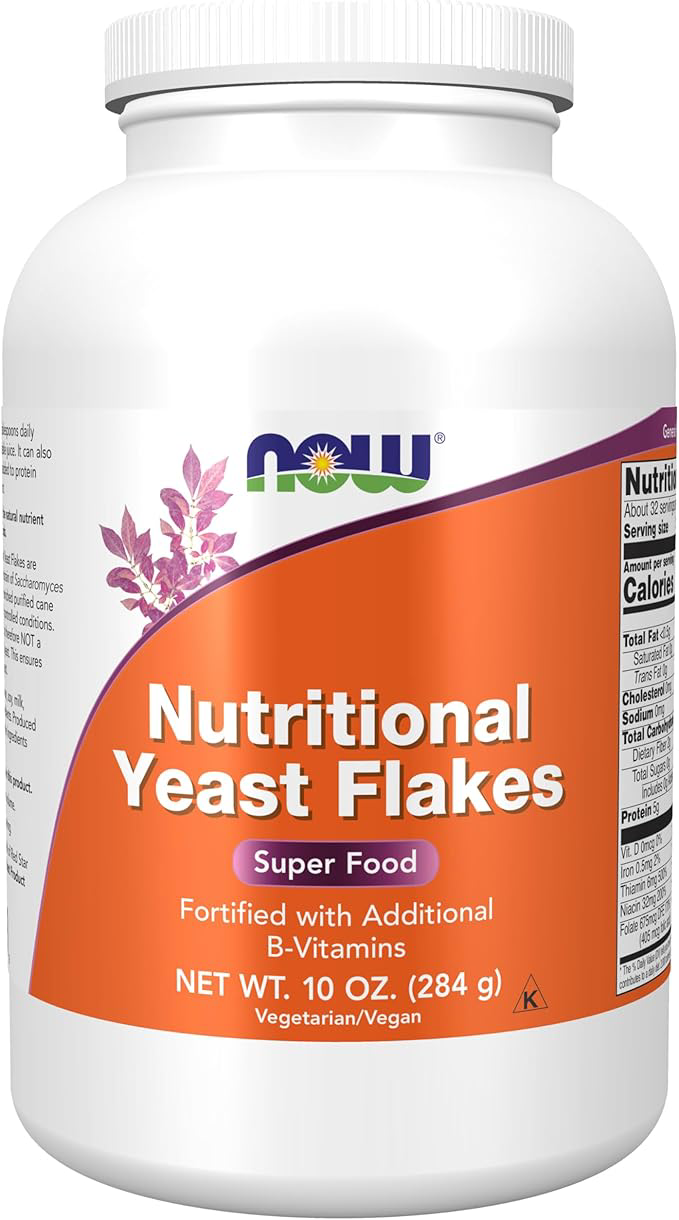
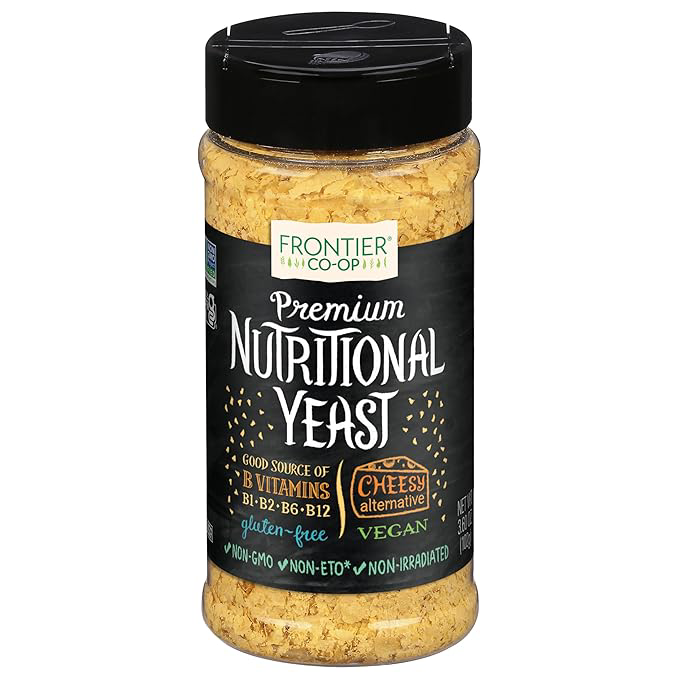
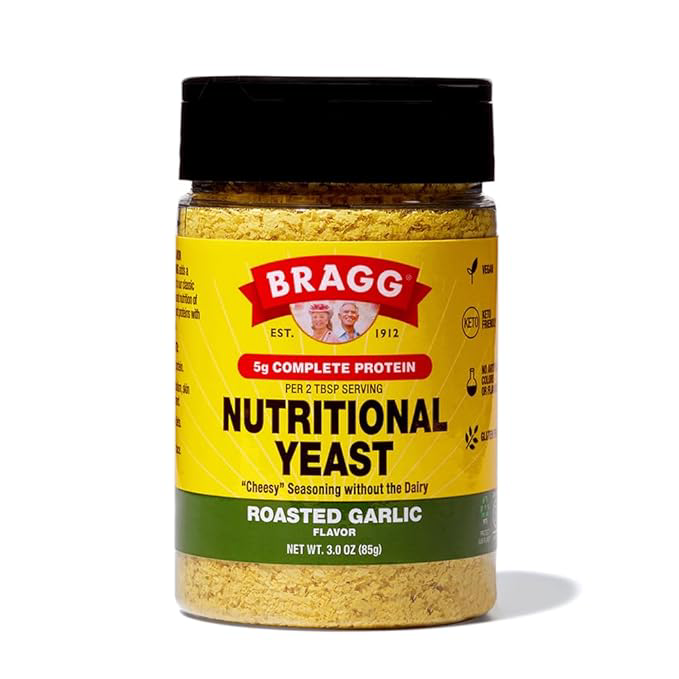
Soy sauce, store-bought broth, and bouillon cubes are hidden sodium bombs. A single tablespoon of soy sauce can pack nearly 900 mg of sodium — more than a third of the daily recommended limit. The fix? Reach for nutritional yeast (often called “nooch”) or a commercial no-salt seasoning blend that combines dried onion, garlic powder, mushroom powder, and herbs.
Nutritional yeast delivers a savory, cheesy, umami punch that works beautifully in stir-fries, soups, popcorn, and pasta dishes. Mushroom powder, often found in low-sodium seasoning blends, contributes a brothy depth without the salt load. If you’re making a stir-fry, try a splash of rice vinegar, ginger, and a teaspoon of nutritional yeast instead of soy sauce. For soups, use a homemade or low-sodium vegetable stock plus garlic and fennel seeds — this builds complexity without the sodium spike.
“Umami-rich ingredients like mushrooms, tomatoes, and aged cheeses naturally mimic the savory satisfaction of salt,” says chef and culinary educator Sarah Worden. “You’re not subtracting flavor — you’re redirecting it.”
Why These Swaps Work, According to Science
Our taste buds detect five basic tastes: sweet, sour, salty, bitter, and umami. When you reduce salt, the brain often registers a vague flatness. By introducing a strong acidic note (citrus, vinegar) and an umami hit (nutritional yeast, mushroom, tomato paste), you effectively fill the flavor gap. Studies in the Journal of Food Science confirm that combining acid and umami compounds can reduce the need for added sodium by 30 to 50 percent without affecting consumer liking.
Over time, your palate also adapts. After two to three weeks of eating lower-sodium foods, most people begin to perceive salt in smaller amounts as being more intense. This means the swaps become more satisfying the longer you stick with them.
How to Begin Without Overwhelming Your Kitchen
You don’t need a pantry overhaul. Start with one meal. For example:
- Breakfast: Scramble eggs with a pinch of black pepper and a spoonful of salsa (no added salt) instead of seasoning with salt and cheese.
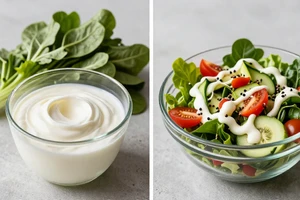
- Lunch: Toss a salad with lemon juice, olive oil, and dill instead of bottled ranch dressing (which is typically high in sodium).
- Dinner: Grill fish with a rub of smoked paprika, garlic powder, and orange zest instead of a commercial seafood seasoning.
These are not radical changes. They are simple swaps that train your taste buds and protect your heart health over the long term. The American Heart Association recommends keeping sodium under 2,300 mg per day — and ideally no more than 1,500 mg for most adults. Using these two swaps alone can help you shave off 400 to 800 mg per meal.
A quick note: If you have high blood pressure, kidney disease, or are on a medically prescribed low-sodium diet, always consult your healthcare provider before making significant dietary changes. These swaps are designed for general wellness education, not as a substitute for personalized medical advice.