
Omega-3 fatty acids are well-known for supporting heart health, brain function, and reducing inflammation. While many people turn to fish oil capsules to get their fix, you can actually increase your intake significantly by making a couple of smart, expert-backed food swaps in your daily diet. These swaps are simple, delicious, and don't require a trip to the supplement aisle.
The key is focusing on whole food sources that are naturally rich in these essential fats. Unlike supplements, whole foods also provide a package of fiber, vitamins, and antioxidants that work together for better absorption and overall health. Here are two specific swaps that can help you boost your omega-3 levels naturally.
Swap #1: Upgrade Your Cooking Oil
One of the easiest changes you can make is in the oil you use for cooking and salad dressings. Many common oils like soybean, sunflower, and corn oil are high in omega-6 fatty acids, which, in excess, can promote inflammation. By swapping them out, you can dramatically shift your fatty acid balance.
Replace vegetable oils with flaxseed oil or walnut oil. Flaxseed oil is one of the richest plant-based sources of alpha-linolenic acid (ALA), a type of omega-3. Just one tablespoon provides over 7 grams of ALA, far exceeding the daily recommended intake. Walnut oil is another excellent choice, offering a pleasant, nutty flavor perfect for drizzling over roasted vegetables or salads.
Pro tip: Flaxseed oil has a low smoke point, so it's best used cold in vinaigrettes or drizzled over cooked dishes, not for frying. Store it in the refrigerator to prevent it from going rancid.
Another great option is to incorporate avocado oil for higher-heat cooking. While it's lower in ALA than flax oil, it's rich in monounsaturated fats and provides small amounts of omega-3s, making it a versatile and heart-healthy upgrade from vegetable oils.
Swap #2: Rethink Your Snack Choices
Your snack drawer is another area where a small swap can make a big impact. Processed snacks like chips, crackers, and pretzels offer little nutritional value and are often made with inflammatory oils.
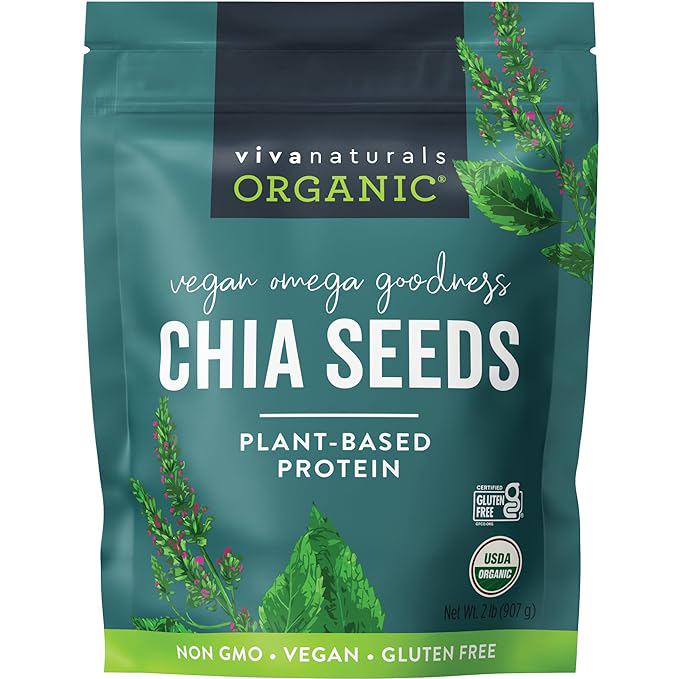
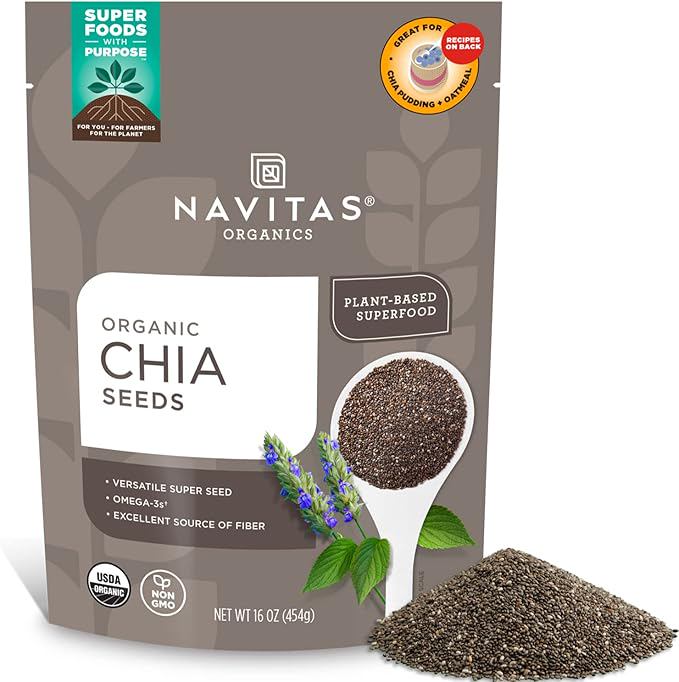
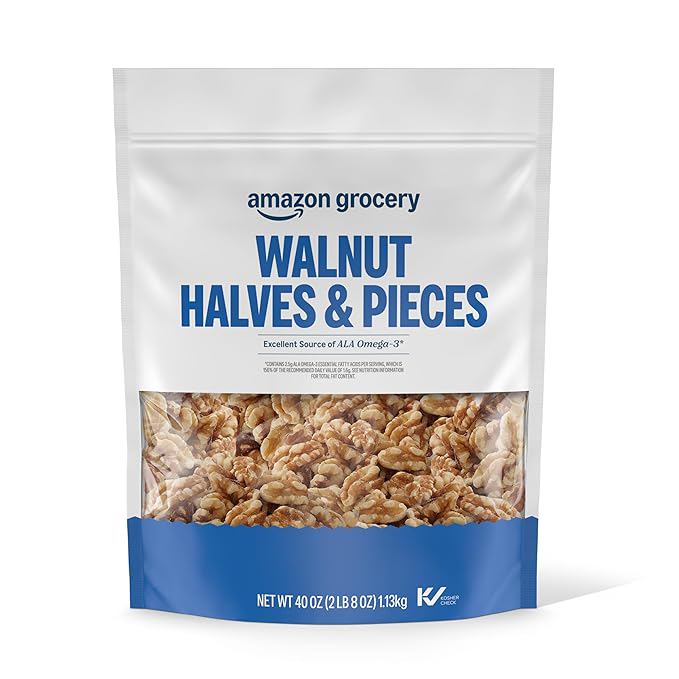
Trade your chips for a handful of walnuts or chia seeds. Walnuts are one of the best nut sources of ALA omega-3s. A one-ounce serving (about 14 halves) provides roughly 2.5 grams of ALA. They also offer copper, manganese, and vitamin E. Chia seeds and hemp seeds are equally powerful—add a tablespoon of chia seeds to your yogurt, oatmeal, or smoothie for a fiber-and omega-3-rich boost.
If you eat fish, swapping one serving of chicken or red meat per week for fatty fish like salmon, mackerel, or sardines is a powerful swap that provides EPA and DHA, the more biologically active forms of omega-3s. For plant-based eaters, edamame and kidney beans are solid, if lower, sources of ALA that also deliver protein and fiber.
Simple, Sustainable Change
These two expert-backed food swaps aren't about overhauling your entire diet overnight. They're about making targeted, smart changes—like choosing the right oil and a better snack—that naturally increase your omega-3 intake. Over time, these small shifts can contribute to better heart and brain health without relying on supplements or complicated meal plans.
Always remember that the best approach is a varied, whole-food diet. If you have specific health concerns, talk to a healthcare provider about what's right for you.