You crushed your last rep, racked the weight, and felt that deep muscle burn fade into a calm sense of accomplishment. What you reach for next can either accelerate your recovery or quietly undo some of that hard work. While protein shakes and water get all the glory, there are two common post-workout drinks that dietitians consistently steer athletes away from.
These beverages aren't inherently evil — they just work against what your body needs most after heavy resistance training. Here is what to skip and why it matters for muscle repair, hydration, and metabolic recovery.
Why post-lifting nutrition is different
After heavy lifting, your muscles are temporarily broken down, glycogen stores are partially depleted, and your body has lost fluid through sweat. The right post-workout drink should support three things: rehydration, protein synthesis, and replenishment of energy stores. Drinks that interfere with those processes, or add unnecessary stress to your system, are better left for other times of day.
The two drinks dietitians recommend avoiding
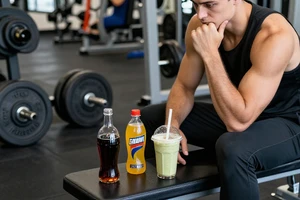
Sugary sports drinks and flavored energy beverages
It is easy to assume that a sports drink is a smart choice after an intense session. After all, they are marketed for athletes. But most commercial sports drinks are designed for endurance activity lasting longer than 60 to 90 minutes — not for a 45-minute strength session. Dietitians point to two specific problems.
Excess sugar slows recovery. A typical 20-ounce sports drink contains around 30 to 35 grams of added sugar, often from high-fructose corn syrup or cane sugar. Consuming that much sugar right after lifting causes a rapid insulin spike, which can overshoot and lead to a blood sugar crash. That crash triggers fatigue, brain fog, and cravings — the opposite of the steady energy you need for the rest of your day.
High fructose content stresses the liver. Fructose is processed almost entirely in the liver. After heavy lifting, your body prioritizes sending blood flow to skeletal muscles for repair, not to the liver for sugar metabolism. Drinking a fructose-heavy beverage post-workout can contribute to mild liver strain and may blunt the muscle protein synthesis process that your body is trying to initiate.
“If you are lifting heavy for under 90 minutes, plain water and a balanced meal or snack will serve you better than a sugary sports drink,” says registered dietitian and sports nutritionist Jenna Braddock, RDN.
Dairy-based protein shakes with added sugars or artificial ingredients
This one surprises many lifters. Protein shakes are practically synonymous with post-workout recovery. The issue is not protein — it is the specific type of protein and the additives that often accompany it.
Lactose can disrupt digestion after intense exertion. Heavy lifting diverts blood flow away from the digestive tract toward working muscles. That means your gut is less efficient at breaking down lactose immediately after training. For anyone with even mild lactose sensitivity, a dairy-based shake can cause bloating, gas, or cramping precisely when your body needs nutrients for repair.
Artificial sweeteners and gums may cause GI distress. Many commercial protein shakes contain sugar alcohols (erythritol, xylitol) or gums (carrageenan, xanthan gum) to improve texture. These compounds can ferment in the gut, leading to bloating and discomfort. Dietitians note that this is especially problematic right after lifting because your body's digestive capacity is already reduced.
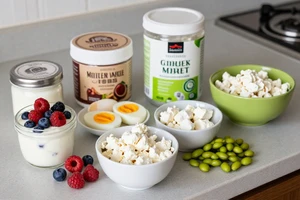
That does not mean you should skip protein. It means the delivery system matters. A plant-based protein powder mixed with water or unsweetened almond milk, or a whole-food option like Greek yogurt with berries, can provide the amino acids your muscles need without the digestive downside.
What to drink instead after heavy lifting
Dietitians consistently recommend two simple options that outperform most commercial products.
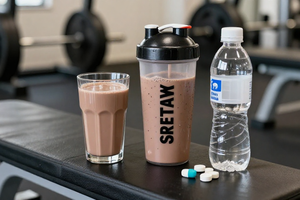
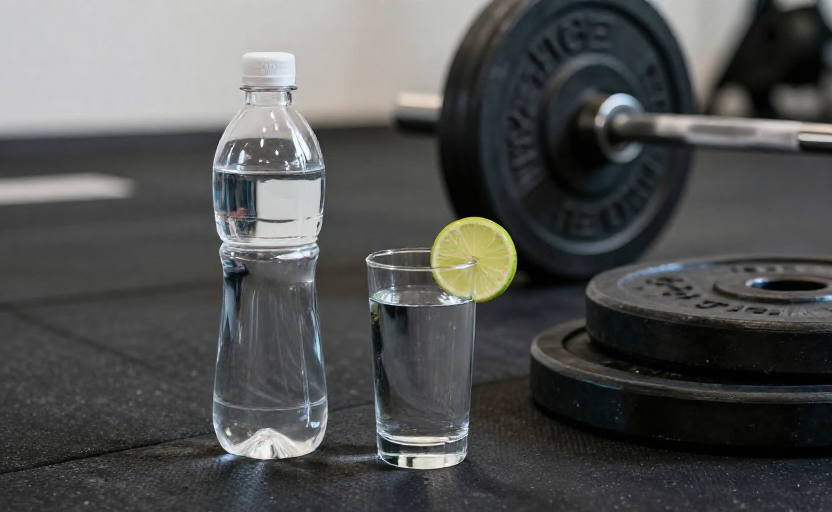
- Water with electrolytes. Plain water is the gold standard for rehydration. If you have sweated heavily, add a pinch of salt or use an unsweetened electrolyte tablet (one without sugar or artificial colors) to restore sodium and potassium balance.
- Protein shake with clean ingredients. Choose a protein powder with minimal ingredients — ideally a pea or hemp protein isolate — and mix it with water. Avoid products with more than 5 grams of sugar per serving or long lists of thickeners and sweeteners.
For carb replenishment, eat a piece of fruit or a handful of oats 30 to 60 minutes after your shake. That gives your body a steady stream of glucose without the crash.
Practical takeaways for your next session
When you finish that last deadlift or squat, take a breath and evaluate what your body really needs. If you are not training for an endurance event, skip the neon sports drink. If your stomach is sensitive post-workout, choose a plant-based protein over a dairy blend. Your muscles will thank you with faster recovery and less inflammation.
In the end, the best post-lifting drink is the one that hydrates, provides clean protein, and leaves your digestive system feeling calm — not one that arrives in a flashy bottle with a list of ingredients you cannot pronounce.