Vitamin deficiencies can creep up quietly, often without dramatic symptoms until they’ve taken a firmer hold. You might feel a little more tired than usual, notice your hair isn’t as resilient, or find yourself catching every cold that goes around. While these signs are subtle, the solution doesn’t have to be complex. Preventing common shortfalls is less about drastic overhauls and more about weaving two simple, sustainable habits into the fabric of your daily life.
These habits focus on consistency and variety—cornerstones of nutritional wellness that help ensure your body gets the wide array of vitamins it needs to function at its best.
Habit 1: Prioritize a Colorful, Whole-Food Plate
The first habit is a shift in perspective at mealtime. Instead of thinking about restricting foods, focus on adding color and whole-food density. Your plate is your primary canvas for preventing deficiencies. A monotonous diet, even a healthy one, is the most common gateway to missing out on key nutrients.
Think of vitamins as coming from distinct food families. By rotating through these families, you cover your bases.
Embrace the Rainbow
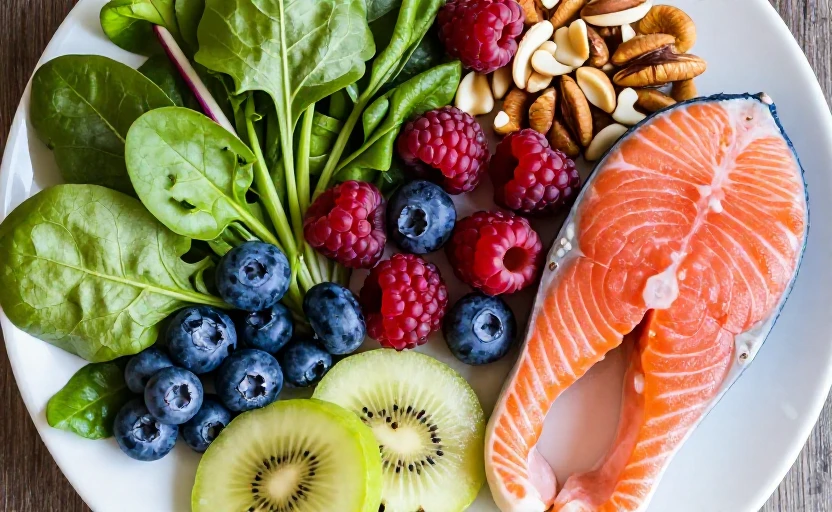
Different colored fruits and vegetables are nature’s flag for different vitamin and antioxidant profiles. Deep leafy greens like spinach and kale are powerhouses for vitamin K, folate, and vitamin C. Orange and red produce—think sweet potatoes, carrots, and red bell peppers—are rich in vitamin A precursors. Berries and purple cabbage offer a different set of protective compounds. Aiming for three different colors on your plate at lunch and dinner is a practical, visual goal that automatically boosts vitamin diversity.
Include Smart Pairings
Some vitamins are better absorbed with a helper nutrient. The fat-soluble vitamins—A, D, E, and K—need a little dietary fat to be properly taken up by your body. This doesn’t mean adding excessive oil; it can be as simple as:
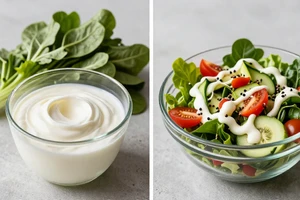
- Drizzling olive oil over a dark green salad (vitamin K).
- Adding a handful of nuts or seeds to a fruit snack (vitamin E).
- Cooking carrots (for vitamin A) in a light sauté rather than only eating them raw.
A colorful plate isn't just pretty—it's a direct map to a broader spectrum of essential vitamins.
Habit 2: Make Consistency Your Foundation
The second habit is about rhythm. Nutritional prevention works through regular, daily intake, not occasional heroic efforts. Your body uses up water-soluble vitamins like vitamin C and the B-complex vitamins daily; they aren’t stored in large amounts. A consistent daily habit ensures a steady supply.
Anchor with a Nutrient-Dense Breakfast
Starting your day with a meal that includes a protein source, a whole grain, and a fruit or vegetable sets a positive nutritional tone. It replenishes B vitamins used for energy metabolism overnight and provides a first dose of antioxidants. This could look like Greek yogurt with berries and a sprinkle of nuts, or scrambled eggs with spinach and a slice of whole-grain toast.
Incorporate Fermented Foods
Gut health is intricately linked to nutrient absorption. A healthy gut microbiome helps you extract more vitamins from the food you eat. Regularly including naturally fermented foods like yogurt, kefir, sauerkraut, or kimchi supports this internal ecosystem. This habit indirectly supports the prevention of deficiencies by improving how your body utilizes nutrients.
Consistency beats intensity. A small, vitamin-rich habit practiced daily is far more protective than a perfect diet once a week.
Spotting and Addressing Common Gaps
Even with good habits, some vitamins are commonly low in modern diets. Being aware of these can help you fine-tune your plate.
Vitamin D: Known as the sunshine vitamin, it’s difficult to get enough from food alone. While fatty fish and fortified dairy are sources, regular, brief exposure to midday sun is key. During winter months or for those with limited sun exposure, a discussion with a healthcare provider about supplementation is common.
B12: This vitamin is crucial for nerve function and energy and is found naturally in animal products. Those following a strict vegan or vegetarian diet need to be particularly mindful to include fortified foods like nutritional yeast, plant milks, or cereals.
Iron: Iron from plant sources (like lentils, spinach, and beans) is absorbed better when paired with a source of vitamin C. Adding bell peppers to a lentil soup or a squeeze of lemon juice over a spinach salad can significantly boost uptake.
Preventing common vitamin deficiencies isn't a mystery solved by exotic superfoods or complicated regimens. It's built on the steady ground of daily practice: filling your plate with a variety of colorful, whole foods and doing so with consistent rhythm. Listen to your body's subtle cues, and remember that these habits are a form of long-term nourishment, not a quick fix. For personalized guidance, especially if you have specific health concerns or dietary restrictions, consulting with a registered dietitian or your doctor is always the best step.