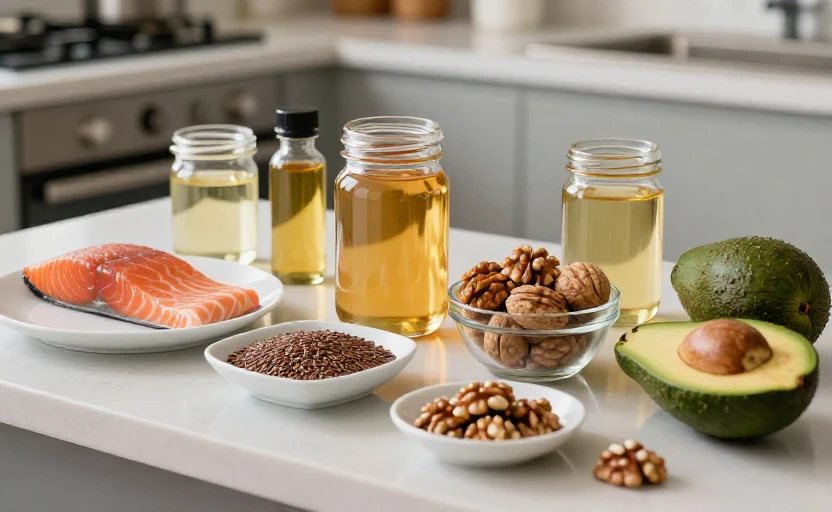
Essential fatty acids, or EFAs, are the building blocks your body can’t make on its own. They’re crucial for brain function, heart health, and reducing inflammation, yet many of us fall short on getting enough from our diets. The good news is that improving your intake doesn’t require a complete diet overhaul. By weaving two straightforward, sustainable habits into your daily routine, you can consistently nourish your body with these vital fats.
Why are essential fatty acids so important?
Think of EFAs as the unsung heroes of cellular health. Primarily, we’re talking about omega-3 and omega-6 fats. While omega-6s are plentiful in many modern diets, it’s the omega-3s—specifically EPA (eicosapentaenoic acid) and DHA (docosahexaenoic acid)—that many people need to prioritize. These fats are integral components of cell membranes, helping to keep them fluid and functional. They play a direct role in cognitive health, mood regulation, and supporting a healthy inflammatory response in the body.
A diet consistently low in omega-3s can leave your cells—from your brain to your heart—without the raw materials they need for optimal performance.
Habit 1: Make one meal a day a “fatty fish focus”
The most direct way to boost your EPA and DHA is to eat the foods that contain them. Fatty, cold-water fish are nature’s richest source. This habit isn’t about eating fish at every meal; it’s about intentionally including it in one meal, most days of the week.
Excellent choices include salmon, mackerel, sardines, herring, and trout. Canned options like sardines or salmon are affordable, convenient, and just as nutritious. The goal is consistency, not perfection.
- For lunch: Add canned salmon or sardines to a salad or make a quick wrap.
- For dinner: Grill, bake, or pan-sear a fillet of salmon or trout a few nights a week.
- As a snack: Try smoked salmon on whole-grain crackers.
If you don’t eat fish, this habit shifts to seeking out algae-based sources of DHA, which are the original source for the fish themselves.
Habit 2: Upgrade your daily fat sources
Beyond fish, your everyday cooking oils, nuts, and seeds are opportunities to improve your EFA profile. This habit involves a simple swap: consciously choosing fats rich in omega-3s over those that are neutral or high in less beneficial fats.
Start by looking at what you use for dressings, drizzles, and light cooking. Replace refined vegetable oils with options that offer a better fatty acid balance.
Smart swaps to incorporate
- For salads & finishing: Use extra-virgin olive oil, flaxseed oil, or walnut oil. These are rich in ALA (alpha-linolenic acid, a plant-based omega-3) and best used unheated.
- For light sautéing: Opt for avocado oil or olive oil, which are more stable at moderate heat.
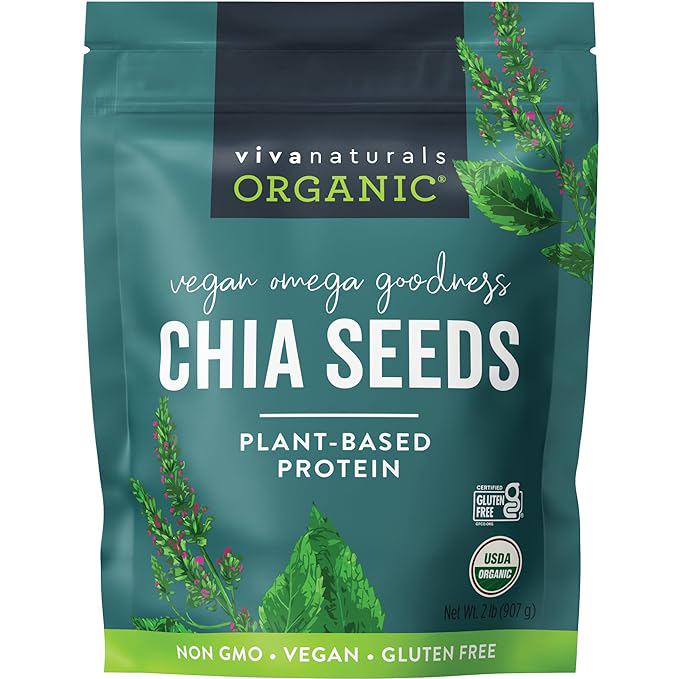
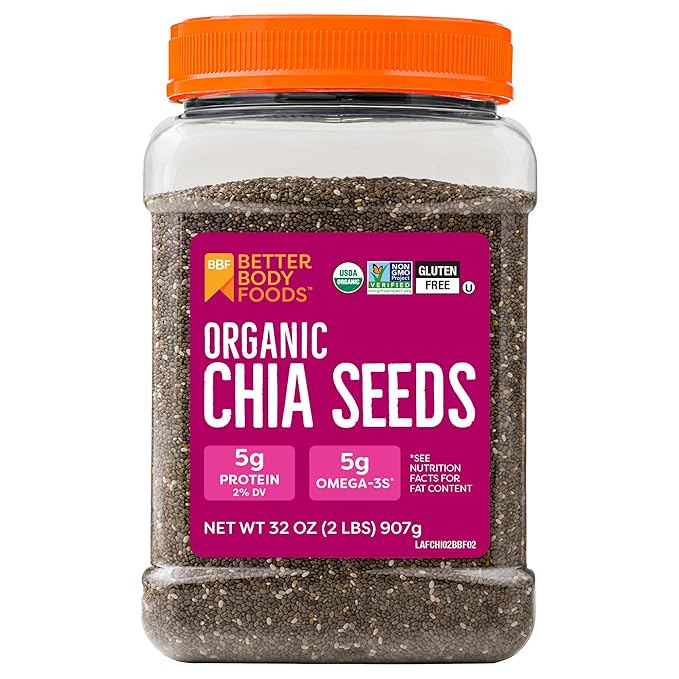
- For snacks & toppings: Reach for walnuts, chia seeds, or ground flaxseeds. Sprinkle them on oatmeal, yogurt, or blend them into smoothies.
The key is to make these sources your default. Keep a bottle of good olive oil on the counter and a bag of walnuts in your pantry. Their presence makes the healthy choice the easy choice.
What about balance and supplements?
Aim for a general balance between omega-6 and omega-3 intake. Modern diets are often heavy in omega-6s from processed foods and certain oils. By focusing on the omega-3-rich habits above, you naturally help correct this imbalance.
For some, especially those who don’t consume fish, a supplement might be a practical consideration to ensure adequate DHA and EPA intake. Always choose a reputable brand that tests for purity.
Food should always be the foundation. Think of supplements as a supportive bridge, not a replacement for a nutrient-rich diet.
Making these habits stick
Sustainability is everything. Don’t try to change everything at once. Start by introducing one fatty fish meal this week. Next week, swap out your cooking oil. Small, consistent actions build the rhythm of a healthier pattern. Listen to your body, and notice how these nourishing fats make you feel over time—often contributing to a sense of overall well-being and vitality.