You know you should eat more fiber. The benefits are undeniable: better digestion, a healthier heart, and steady energy. But the thought of adding more beans, broccoli, or bran to your plate often comes with a familiar, uncomfortable caveat—bloating and gas. It’s a common roadblock that makes many people hesitate, keeping them from reaching the recommended 25 to 38 grams of daily fiber.
The good news is that boosting your fiber doesn’t have to be a battle with your belly. The discomfort isn’t an inevitable side effect of fiber itself, but often a sign of how you’re introducing it. With a mindful, gradual approach, you can nourish your gut microbiome and enjoy the full spectrum of fiber’s benefits without the dreaded distension.
Why Does Fiber Sometimes Cause Bloating?
To understand how to avoid bloating, it helps to know what causes it. Fiber is the indigestible part of plant foods. When it reaches your large intestine, it becomes food for the trillions of bacteria that live there—your gut microbiome. This is a good thing. As these beneficial bacteria ferment fiber, they produce short-chain fatty acids that are crucial for gut health and reducing inflammation.
The bloating occurs when this fermentation process happens too quickly or when you introduce a large amount of fiber to a microbiome that isn’t used to it. Think of it like throwing a huge party without giving your neighbors any notice. The sudden activity—gas production—can lead to discomfort, cramping, and that overly full feeling.
The goal isn’t to avoid fermentation, but to help your gut bacteria adjust to the feast gradually.
Habit 1: The Slow-and-Steady Increase
The single most important strategy is patience. If your current diet is relatively low in fiber, jumping to 30 grams overnight is a recipe for discomfort. Your gut bacteria need time to adapt and increase in number to handle the new workload.
Start by adding just 5 extra grams of fiber per day for a week. That’s equivalent to one medium pear or a half-cup of cooked lentils. Once that feels comfortable, add another 3-5 grams the following week. This slow ramp-up allows your microbiome to adjust without overwhelming it.
Listen to your body closely during this phase. A mild increase in gas is normal as your gut adapts, but significant pain or bloating is a sign to pull back slightly and hold steady for a few more days before increasing again.
Habit 2: Prioritize Soluble Fiber and Hydration
Not all fiber is created equal, especially when you’re sensitive to bloating. There are two main types, and focusing on one can make the transition smoother.
Soluble Fiber: Your Gentle Ally
Soluble fiber dissolves in water to form a gel-like substance in your gut. It’s fermented more slowly and tends to be gentler on the digestive system. It also helps soften stool and can moderate blood sugar levels.
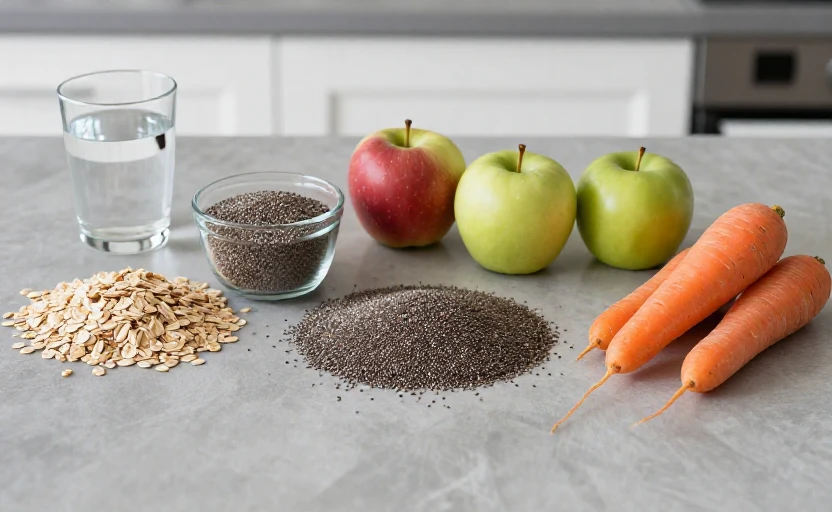
Make a conscious effort to include more of these soluble-rich foods as you build your intake:
- Oats and barley
- Apples, oranges, and pears (with the skin when possible)
- Carrots and Brussels sprouts
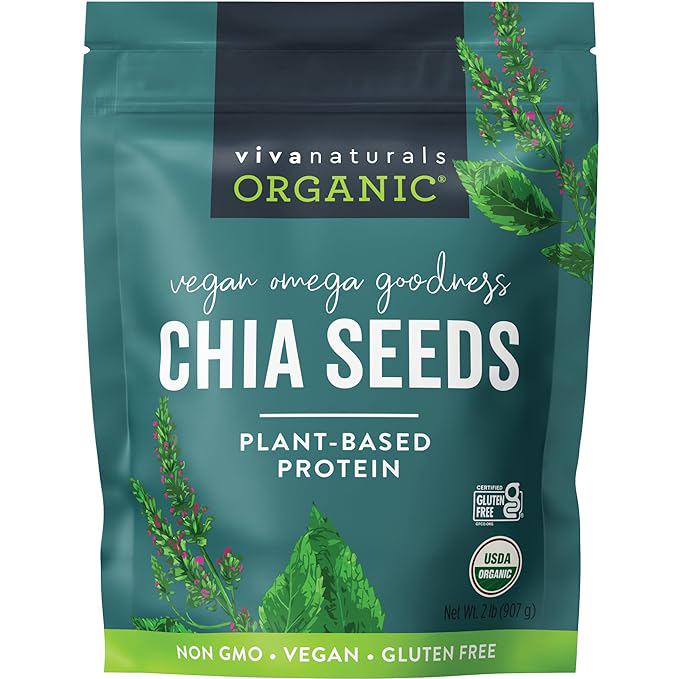
- Chia seeds and flaxseeds
- Beans and lentils (introduce these particularly slowly)
The Non-Negotiable: Water
Fiber and water are a team. Soluble fiber needs water to form its beneficial gel, and fiber overall needs adequate fluid to move smoothly through your digestive tract. Without enough water, fiber can have the opposite of its intended effect, leading to constipation and worsened bloating.
Aim to drink a full glass of water with your high-fiber meals and snacks. Carrying a water bottle and sipping throughout the day is even better, ensuring your system has the hydration it needs to process the extra fiber efficiently.
Putting the Two Habits Into Practice
Let’s see what a day might look like when you combine these two habits. Imagine your usual breakfast is a plain bagel. To start adding fiber slowly, you could switch to a whole-wheat bagel (adding about 3 grams). The next week, add a tablespoon of chia seeds to your yogurt or smoothie (another 5 grams).
For lunch, if you usually have a sandwich with white bread, try one slice of whole grain and one slice of your usual, or add a handful of spinach and sliced cucumber. At dinner, stir a cup of broccoli into your pasta sauce or rice dish. Each small swap adds a few gentle grams of soluble fiber.
The key is to make one or two swaps at a time, not overhaul your entire diet in one day. Pair each fiber-rich meal with a glass of water.
What About Insoluble Fiber?
Insoluble fiber—found in wheat bran, nuts, and many vegetable skins—adds bulk to stool and helps keep things moving. It’s vital for long-term digestive health. The strategy isn’t to avoid it, but to introduce it more carefully after your gut has begun to adapt to increased soluble fiber. Once you’re comfortably eating more soluble fiber, you can slowly add small amounts of nuts, seeds with skins, and whole grains like brown rice or quinoa.
When to Pay Extra Attention
While these habits help most people, certain foods known as high-FODMAPs (fermentable oligosaccharides, disaccharides, monosaccharides, and polyols) can be particularly bloating for some, especially those with irritable bowel syndrome (IBS). These include foods like garlic, onions, certain beans, and some fruits.
If you follow the slow-and-steady approach with soluble fiber and still experience significant bloating, it may be worth exploring if specific FODMAP foods are triggers for you, potentially with guidance from a healthcare professional or dietitian.
Building a high-fiber diet is a gift to your long-term health. By moving slowly and choosing soluble fiber paired with plenty of water, you give your gut the time and tools it needs to adapt. The result is a digestive system that feels nourished and calm, not overwhelmed, allowing you to finally enjoy all the benefits fiber has to offer.