Recovery after yoga isn't just about stretching or getting enough sleep. It is about the quiet, behind-the-scenes work your body does to repair muscle tissue, replenish energy stores, and flush out metabolic waste. Hydration is the primary medium for all of that work. When you are even slightly dehydrated, your body struggles to move nutrients into cells and remove waste products efficiently.
Most people think they know the obvious signs of dehydration—dry mouth, dark urine, feeling thirsty. But the body sends subtler signals first, especially when recovery from physical practice is on the line. Two specific daily habits that may seem unrelated to water intake are actually among the clearest indicators that your fluid levels are too low to support proper yoga recovery. Recognizing them is the first step toward adjusting your hydration strategy.
Habit 1: Reaching for a Snack When You Actually Need Water
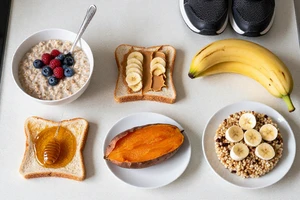
One of the most common signals of mild dehydration is a misinterpreted hunger cue. The hypothalamus, the part of the brain that regulates both thirst and hunger, can confuse the two signals. When you are dehydrated, the body may send a signal that feels like a craving for food—especially for carbohydrates or something salty—when what it really needs is fluid.
If you notice that you consistently feel hungry within an hour after finishing a yoga session—even when you ate a balanced meal beforehand—it is worth checking your hydration status. This habit is particularly telling because post-yoga hunger can be driven by actual energy expenditure, but it can also be driven by dehydration. A simple test: drink a full glass of water (about 12–16 ounces) and wait 15 minutes. If the hunger subsides, it was thirst. If you continue to feel hungry, then a real snack is appropriate.
Over time, repeatedly eating when you are actually thirsty can lead to unnecessary calorie intake and can mask the underlying issue of inadequate fluid replenishment. For yoga recovery, this matters because your muscles need water to synthesize glycogen and repair microtears. Snacking—especially on processed or high-sodium foods—without adequate water can actually worsen dehydration and slow recovery.
Habit 2: Waking Up with Stiff Joints or Headaches
Morning stiffness is often blamed on aging or an intense practice from the previous day. While those factors contribute, inadequate hydration is a major and frequently overlooked culprit. Cartilage, the tissue that cushions your joints, is composed largely of water. When you are dehydrated, the cartilage loses some of its volume and becomes less effective at absorbing shock. This can make joints feel creaky or stiff upon waking, even if your yoga session was not unusually demanding.
Similarly, waking up with a headache—especially a dull, tension-type headache that resolves after drinking water—is a classic sign of overnight dehydration. During sleep, your body continues to lose water through respiration and sweat. If you did not drink enough during the day after your yoga practice, your body enters a mild fluid deficit by morning. This deficit directly impacts circulation and oxygen delivery to the brain, which can trigger headache pain.
If you notice these symptoms on a regular basis, it signals that your fluid intake during the recovery window—the hours immediately after your yoga session—was insufficient. The body prioritizes hydration for vital organs first, and if you are low, joints and connective tissues are among the first to feel the effect.
How to Correct These Habits for Better Recovery
The solution is not necessarily to drink more water throughout the entire day, but to time your intake strategically around your yoga practice. Here are three practical adjustments that address both habits directly:
- Drink water before you feel thirsty. Thirst is a lagging indicator. By the time you feel thirsty, you are already mildly dehydrated. Sip water steadily in the hour before your yoga session, not just during or after.
- Rehydrate immediately after practice. The first 30 minutes post-yoga is a critical window for fluid absorption. Drink 16–20 ounces of water within that window, and include electrolytes if you sweat heavily. This reduces the likelihood of post-practice thirst masquerading as hunger later in the evening.
- Monitor your first-morning urine color. A pale straw color generally indicates good hydration. Dark yellow or amber suggests you ended the previous day in a deficit. If your morning urine is dark, prioritize water with your breakfast and adjust your evening fluid intake accordingly.
Beyond plain water, consider incorporating water-rich foods—such as cucumber, watermelon, oranges, or celery—into your post-yoga snack or meal. These foods contribute to total fluid intake while providing electrolytes and antioxidants that support recovery.
When Paying Attention to Subtle Signals Helps Most
These two habits are valuable because they are actionable. If you notice yourself reaching for food when you might be thirsty, or waking up stiff and headachy, you have a clear prompt to adjust your hydration routine. Over time, correcting these patterns can lead to smoother recovery, better joint mobility, and more consistent energy levels for your next practice.
Hydration is not a one-size-fits-all formula. Factors like the intensity and duration of your yoga session, the temperature of your practice space, your individual sweat rate, and your overall diet all influence your needs. But paying attention to these two signals gives you a personalized, real-time feedback loop that goes beyond generic advice to drink eight glasses of water a day.