
If you’ve been eating smaller portions, tracking your food, and staying in a calorie deficit but the scale isn’t moving, you are not alone. The math seems simple—less energy in, more energy out—but the reality is that our perception of “a serving” is remarkably unreliable. After years of working with nutrition clients and fielding questions about stalled weight loss, I keep seeing two mistakes pop up again and again.
These aren’t grand failures of willpower. They are subtle, everyday miscalculations that quietly add back calories you thought you had cut. Recognizing them is often the single most effective adjustment you can make.
Mistake 1: Over-Reliance on Visual Guessing
We have all done it: you scoop out what looks like one serving of pasta, rice, or peanut butter, trusting your eyes to judge the portion. The problem is that human vision is terrible at estimating volume, especially for calorie-dense foods. A 2012 study in the International Journal of Behavioral Nutrition and Physical Activity found that even trained health professionals underestimated portion sizes by an average of 20 to 30 percent.
Think about what that means on a daily basis. If you miscalculate by just 100 calories at breakfast, another 150 at lunch, and 100 at dinner, you have unknowingly added 350 calories by bedtime. Over a week, that extra surplus can erase the deficit you worked so hard to create.
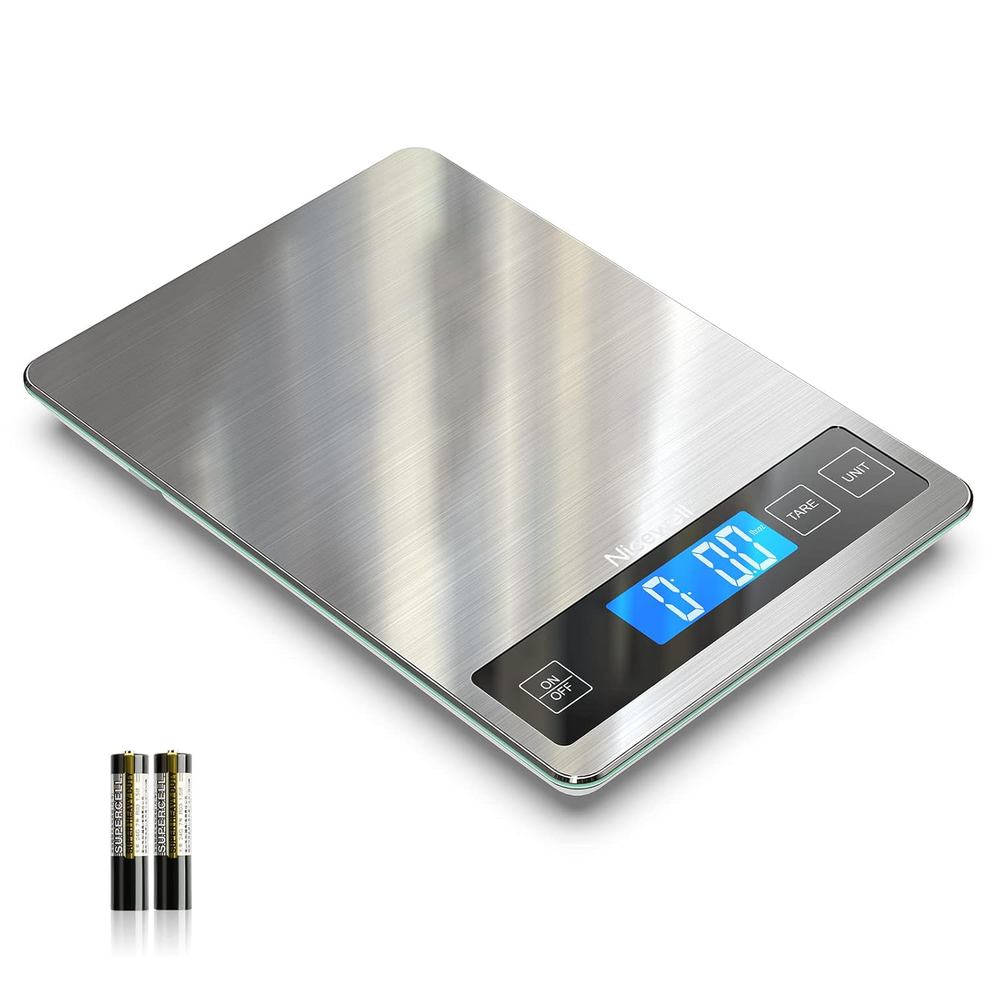
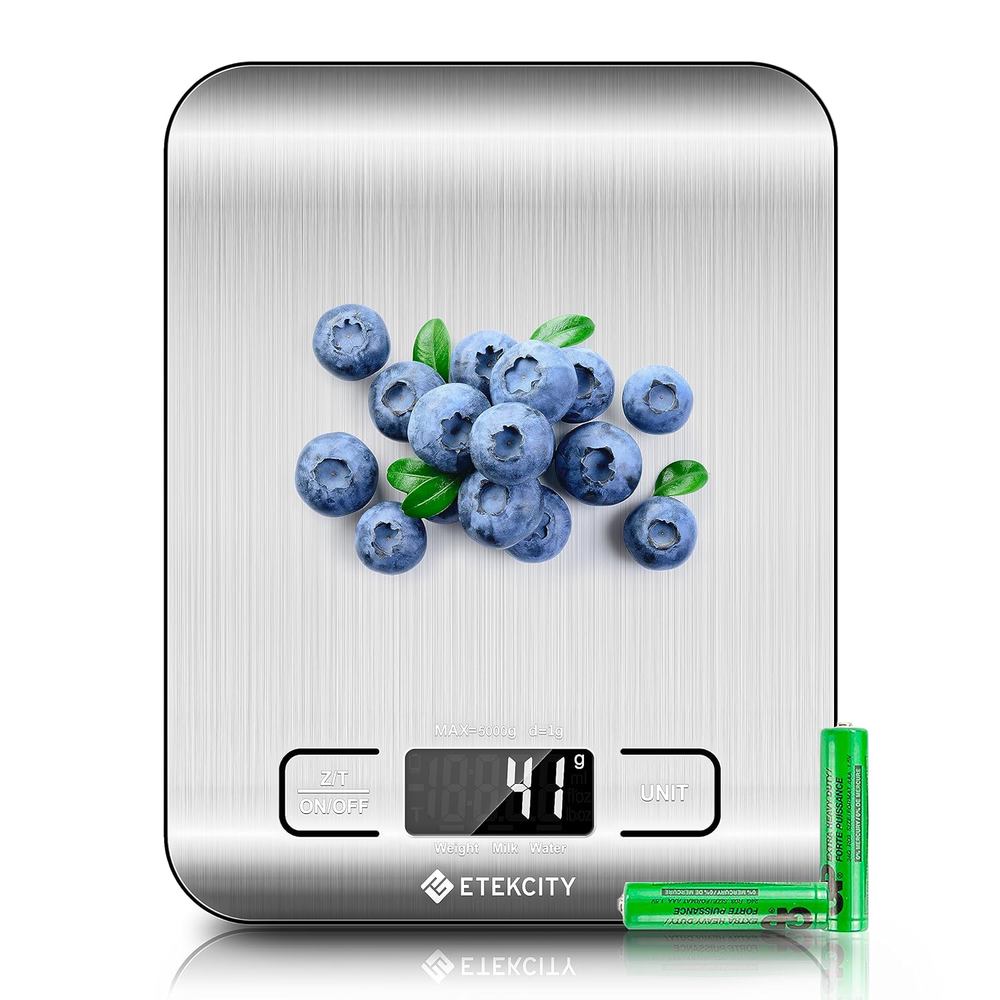
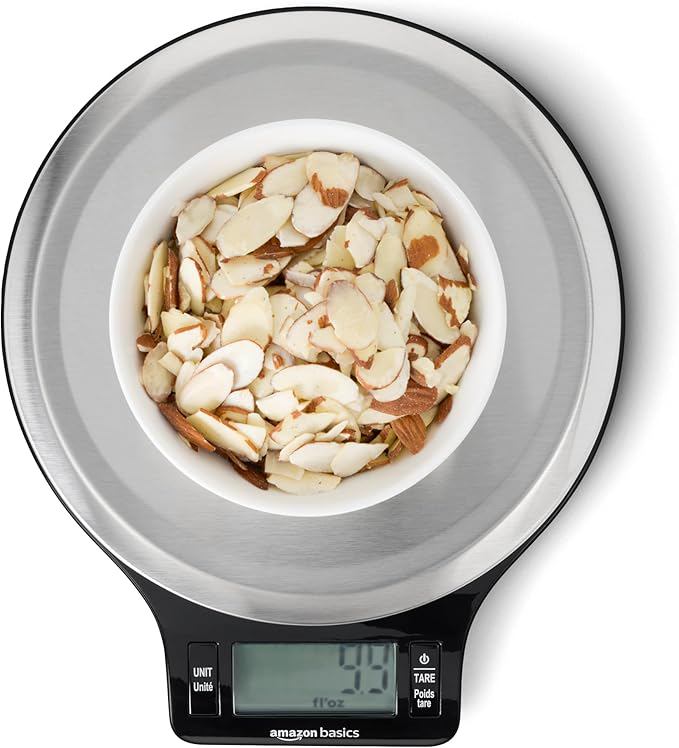
The solution does not require measuring every crumb for the rest of your life. It simply means introducing reality checks. For the first week or two of a deficit, use a digital food scale for calorie-dense items: nuts, seeds, nut butters, oils, cheese, salad dressing, dried fruit, and grains. A “handful” of almonds is not a serving; a measured ounce (about 23 almonds) is. Once you have seen what actual portion sizes look like on a scale, your visual estimation improves significantly.
Quick tip: Use measuring cups and spoons until you can consistently guess within 10 percent. Pre-portion high-calorie foods into baggies or containers right after you buy them.
Mistake 2: Forgetting the “Invisible” Calories in Liquids, Condiments, and Cooking Fat
This mistake is even more common because it is almost invisible—literally. Most people meticulously weigh their chicken breast and broccoli but never think to count the oil they cooked it in, the cream in their coffee, or the ketchup on their eggs. These small additions, what researchers call “hidden intake,” can add 300 to 500 calories per day without ever registering as a meal.
The Oil Trap
Olive oil is healthy, but it is also 120 calories per tablespoon. A normal “glug” from the bottle is usually closer to two tablespoons. If you sauté vegetables in two tablespoons of oil and dress a salad with another two, you have already consumed 480 calories before you eat a single solid bite. Many people on a calorie deficit unintentionally get 20 to 30 percent of their daily calories from cooking oils and dressings alone.
Liquid Sugar and Creamers
Beverages are another blind spot. A 16-ounce latte made with whole milk contains roughly 250 calories. A single soda is about 150 calories. Even “healthy” drinks like fresh juice, vitamin water, and smoothies can pack 200 to 400 calories per serving. If you drink two lattes a day and a juice, you have consumed 700 calories that your body registers as easily as a small meal.
Condiments also quietly contribute. Ketchup. BBQ sauce. Ranch dressing. Mayonnaise. Each tablespoon of ranch is around 70 calories. A restaurant salad already drenched in dressing can easily have 400 calories. At home, people often pour dressing “to taste” rather than measuring it.
How to Fix Both Mistakes in One Simple Habit
The most effective single habit to correct these blind spots is called weigh-and-cook. For one week, weigh everything that enters your mouth—including oil, sauce, milk, and condiments. Enter it into a food tracking app before you eat it. This is not about being obsessive forever; it is about resetting your portion-size baseline. Most people find that within a few days, they recognize just how large their “normal” portions actually are, and they can adjust without the scale going forward.
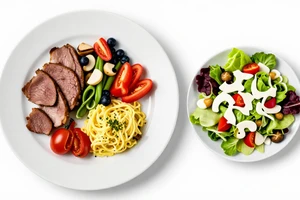
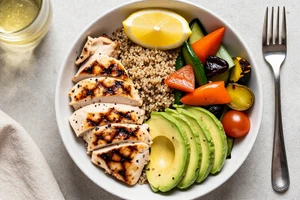
If weighing feels too burdensome, try the plate-method shortcut:
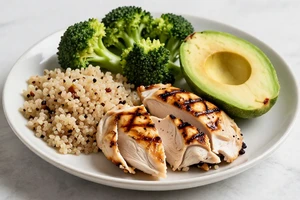
- Fill half your plate with non-starchy vegetables
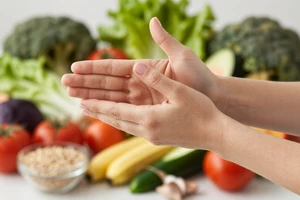
- One quarter with lean protein (palm-sized portion)
- One quarter with complex carbohydrates (cupped-hand portion)
- Add a thumb-sized portion of healthy fat (oil, avocado, nuts)
This visual framework helps naturally cap calories while still allowing variety. It works because vegetables are low-calorie and high-volume, leaving less space for the calorie-dense foods that are easy to overeat.
You do not need to eat tiny amounts to succeed on a calorie deficit. You just need to be aware of where your calories are actually coming from. Once you stop relying on eye-balling and start accounting for cooking fat and liquids, your deficit becomes real—and results usually follow within a week or two.