Food journaling is often recommended as a cornerstone of weight loss and mindful eating. The logic is simple: tracking what you eat increases awareness, helping you make better choices. Yet, many people diligently log every bite for weeks without seeing the scale budge or feeling any different. If that sounds familiar, you’re likely not failing at effort—you’re falling into one of two classic traps that quietly sabotage your progress.
The good news is that these errors are easy to fix once you know what to look for. Let’s break down the two most common food journaling mistakes that stall results, and more importantly, how to correct them so your tracking actually works for you.
Error #1: Tracking Only “Food” and Ignoring Everything Else
The most common mistake is treating a food diary like a simple grocery receipt. You write down “oatmeal, banana, chicken salad, apple, salmon, rice” and call it a day. While that gives you a rough picture, it misses the powerful variables that influence your hunger, cravings, and energy levels.
Specifically, most people forget to log what they drink. A morning latte, an afternoon soda, or a glass of wine at dinner can add hundreds of calories—and significant sugar—that you mentally overlook because they aren’t “food.” Similarly, liquids like juice, sweetened teas, and even creamy coffee creamers are silent contributors to your daily intake.
Beyond calories, your journal often lacks context. Mood, sleep quality, and stress levels are massive determinants of what and how much you eat. If you logged a 500-calorie snack binge, but didn’t note that you had only four hours of sleep and felt anxious all morning, you miss the root cause. The food wasn’t the problem; the fatigue and stress were. Without that context, you might label yourself as “lacking willpower” when really, your biology was fighting a losing battle.
Quick fix: For one week, add two extra columns to your log. First, track all beverages—coffee, tea, water, alcohol, juice, soda. Second, use a simple 1–10 scale for hunger, mood (e.g., calm, frustrated, tired), and sleep quality. You’ll quickly spot patterns. For example, you might notice that every time you have less than six hours of sleep, you crave salty snacks by 3 p.m.
Error #2: Treating Your Journal Like a Judge, Not a Scientist
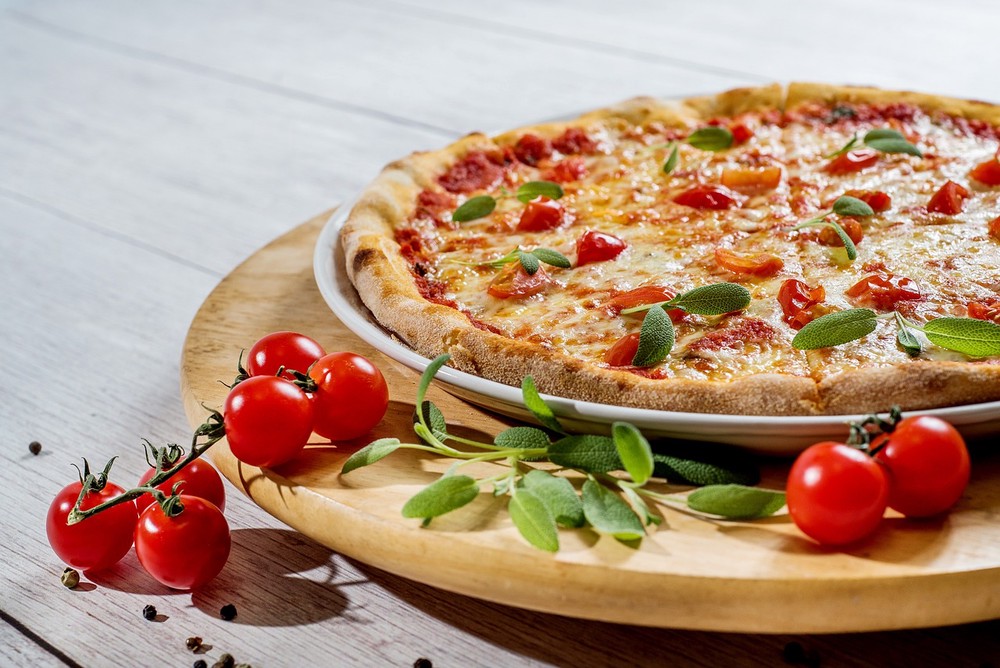
This error is more subtle but just as damaging. Many people approach food journaling with a rigid, all-or-nothing mindset. They write down a “perfect” day of clean eating, and then the moment they eat a cookie or a slice of pizza, they either skip logging it entirely (out of guilt) or they mentally “write off” the rest of the day as a failure.
This creates a distorted record. If you skip the cookie log, your journal shows a flawless day, and you might wonder why you aren’t losing weight. The reality is that you ate the cookie, but the data disappeared. This doesn’t help you learn. It also reinforces a shame cycle that can lead to bingeing or abandoning the journal altogether.
The other side of this coin is over-reliance on precision. Some people become obsessed with exact gram weights and calorie numbers, leading to anxiety and frustration when a restaurant meal doesn’t match their database entry. They start to view the journal as a report card, where a “bad” number equals personal failure. This pressure often backfires, making you less likely to track consistently.
Quick fix: Shift your mindset from “judgment” to “data collection.” Log everything—including the cookie, the extra helping, and the indulgent dinner—without commentary. Your job is simply to observe and record. Use your log to ask curiosity-driven questions: “I noticed I had two servings of pasta last night. Was I truly hungry, or was it because I skipped lunch?” A journal is a tool for insight, not a mirror for self-criticism.
How to Make Your Journal Actually Help You See Results
Fixing these two errors will unlock the real power of food journaling. Here’s how to structure your tracking for maximum benefit:
- Keep it simple, but complete. Use a notebook, a basic app, or even a voice memo—whatever feels easiest. The goal is consistency, not perfection. Include meals, snacks, beverages, and a brief mood note.
- Focus on patterns, not single days. Never judge a day in isolation. Look for trends over a week: do you eat more on days you skip breakfast? Do you crave sugar after late nights? The patterns are the gold.
- Pre-log when you can. Write down your planned meals for the next day in the evening. This builds intention and reduces decision fatigue when you’re hungry.
- Use it to celebrate wins. Note when you made a choice that felt good—choosing water over soda, adding vegetables to a meal, or stopping when you were comfortably full. Positive reinforcement builds lasting habits.
Food journaling is not about restriction or punishment. It’s a mirror that reflects your habits, triggers, and rhythms. When you stop hiding from the messy parts and start treating your log as a curiosity-driven experiment, the scale and your energy levels will respond.