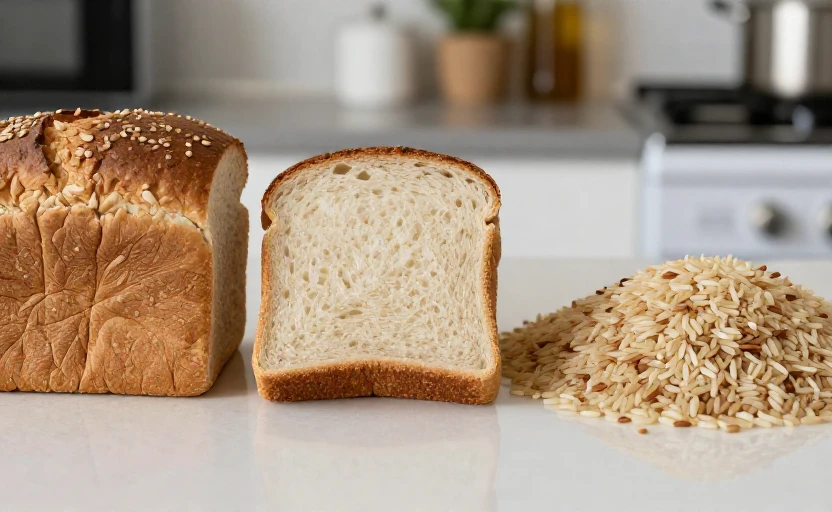
Feeling sluggish or a bit backed up often comes down to what’s on your plate. While we might reach for a quick supplement or a drastic diet change, one of the most effective and sustainable strategies is much simpler: making smarter swaps in your everyday meals. It’s not about deprivation, but about upgrading your choices to naturally include more fiber—a nutrient essential for smooth digestion and steady energy.
These small, manageable swaps can add up to a significant boost in your daily fiber intake, helping your digestive system run more efficiently and providing longer-lasting fuel for your day.
Why focus on fiber for digestion and energy?
Fiber acts like a gentle broom for your digestive tract, helping to move things along and prevent constipation. But its benefits extend far beyond regularity. Soluble fiber, found in foods like oats and beans, forms a gel that slows digestion, leading to a more gradual release of sugars into your bloodstream. This helps avoid the sharp spikes and crashes in energy that can follow a sugary meal or snack, keeping you feeling fuller and more focused for longer.
By simply trading out lower-fiber items for richer alternatives, you support your gut health and energy levels without a complete diet overhaul.
10 Simple swaps to boost your fiber intake
1. Swap white bread for whole-grain or seeded bread
This classic switch is a powerhouse. A slice of typical white bread might offer less than 1 gram of fiber, while a slice of robust whole-grain or seeded bread can provide 3-5 grams. Look for “100% whole wheat” or other whole grains like rye or oats listed as the first ingredient.
2. Choose brown rice or quinoa over white rice
White rice is stripped of its fibrous bran and germ. Brown rice keeps these intact, nearly quadrupling the fiber content. For an even bigger boost, try quinoa—a complete protein that also serves up about 5 grams of fiber per cooked cup.
3. Opt for whole-wheat pasta instead of regular pasta
Like bread and rice, whole-wheat pasta retains the grain’s natural fiber. The nutty flavor and heartier texture pair well with robust sauces, and the extra fiber means you’ll likely feel satisfied with a slightly smaller portion.
Start by mixing half whole-wheat and half regular pasta if the texture is new to you—it’s an easy way to ease into the change.
4. Snack on nuts and seeds instead of chips or crackers
When the afternoon slump hits, skip the refined carb snacks. A small handful of almonds, walnuts, or pumpkin seeds provides healthy fats, protein, and fiber to curb hunger and stabilize energy. Pair them with a piece of fruit for an even more balanced snack.
5. Add beans or lentils to soups, salads, and sauces
This is one of the easiest ways to “sneak” in fiber. Toss a can of rinsed chickpeas into a salad, stir lentils into a pasta sauce, or blend white beans into a creamy soup. They’re incredibly versatile and packed with both soluble and insoluble fiber.
6. Pick oatmeal or bran cereal over sugary cereals
A bowl of frosted cereal can be a sugar bomb with minimal fiber. Old-fashioned rolled oats or a high-fiber bran cereal provides a substantial dose of soluble fiber to start your day. Top with berries and chia seeds for an extra lift.
7. Eat the skin on your potatoes and fruits
A significant amount of a potato’s or apple’s fiber is in the skin. Scrubbing well and leaving the skin on when you bake, roast, or eat them raw is the simplest way to get it. This applies to cucumbers, pears, and peaches as well.
8. Choose whole fruits over fruit juice
A glass of orange juice lacks the pulpy fiber of a whole orange. Eating the whole fruit slows down sugar absorption, benefits your gut, and keeps you feeling full. When you want a drink, try blending whole fruits into a smoothie to retain the fiber.
9. Swap iceberg lettuce for darker greens or cruciferous veggies in salads
While iceberg is hydrating, it’s low in fiber. Spinach, kale, arugula, and romaine offer more. For a major upgrade, use shredded raw broccoli, Brussels sprouts, or cabbage as your salad base—their fiber content is significantly higher.
10. Use avocado as a spread instead of mayonnaise or cream cheese
Avocado is a unique fruit, rich in healthy fats and fiber. Mash it onto toast, use it as a sandwich spread, or as a creamy base for dips. It adds richness and several grams of fiber where other spreads add none.
How to make these swaps stick
Changing habits works best when you go gradually. Pick one or two swaps that seem easiest and incorporate them this week. Maybe it’s choosing brown rice with your stir-fry or adding a handful of spinach to your morning eggs. Once those feel normal, add another.
Listen to your body, too. Increasing fiber intake is wonderful, but doing it too quickly can sometimes cause gas or bloating. Be sure to pair your increased fiber with plenty of water, which helps the fiber do its job effectively and comfortably.
Ultimately, these swaps aren’t about perfect eating. They’re practical, flavorful tweaks that honor your health by nourishing your digestive system and providing the steady energy you need to feel your best, one meal at a time.