
You have been doing everything right: tracking your meals, hitting your steps, and getting enough sleep. Yet for the third week in a row, the number on the scale has not moved. It is frustrating, and it can make you want to throw your breakfast out the window. Before you do, take a deep breath. A weight loss plateau is not a sign of failure; it is a predictable signal from your body that it needs a new strategy.
Think of your body as a highly efficient furnace. When you first start eating less and moving more, it burns through its energy stores happily. But over time, it adapts. It becomes more economical, doing the same work with fewer calories. This is a survival mechanism, and it means you need to change your approach. This guide will walk you through the real, actionable reasons your scale is stuck—and how to get it moving again without crash diets or gimmicks.
Is this a plateau or a natural pause?
Before you change anything, check your timeline. A true plateau is defined as four to six weeks of no weight loss despite consistent habits. A week or two of stalled progress is normal, often due to water retention, muscle gain, or the body adjusting to a new set point. If you are in weeks one or two of a stall, stay the course. If you are past the one-month mark, it is time to troubleshoot.
The usual suspects: energy balance and adaptation
The most common reason the scale stops moving is that your maintenance calories have shifted. When you weighed more, your body required more energy to move and function. As you lose weight, your metabolic rate, or the calories you burn at rest, naturally decreases. This is not a metabolism “damage”; it is simple physics. A smaller body needs less fuel.
A quick check: Look at your food logs from a few months ago versus today. Are you still eating the same portion sizes? If your calorie intake has stayed the same but your weight has dropped by ten pounds or more, those same portions are now a smaller deficit—or even maintenance.
A simple solution is to recalculate your daily calorie target. Many apps update this automatically, but if you set a static goal months ago, it likely needs adjusting. Drop your daily intake by 100 to 200 calories for two weeks and see if the scale responds. Do not slash more than that—aggressive cuts trigger the starvation response and can stall you further.
Hidden calorie creep: the sneaky culprits
Even diligent trackers miss calories in three key areas: cooking oils, liquid calories, and “healthy” snacks. A tablespoon of olive oil is about 120 calories. If you cook two meals a day and add a drizzle to a salad, that is nearly 300 unaccounted calories. Nut butters, smoothies, and even some protein bars pack dense calories that can add up fast.
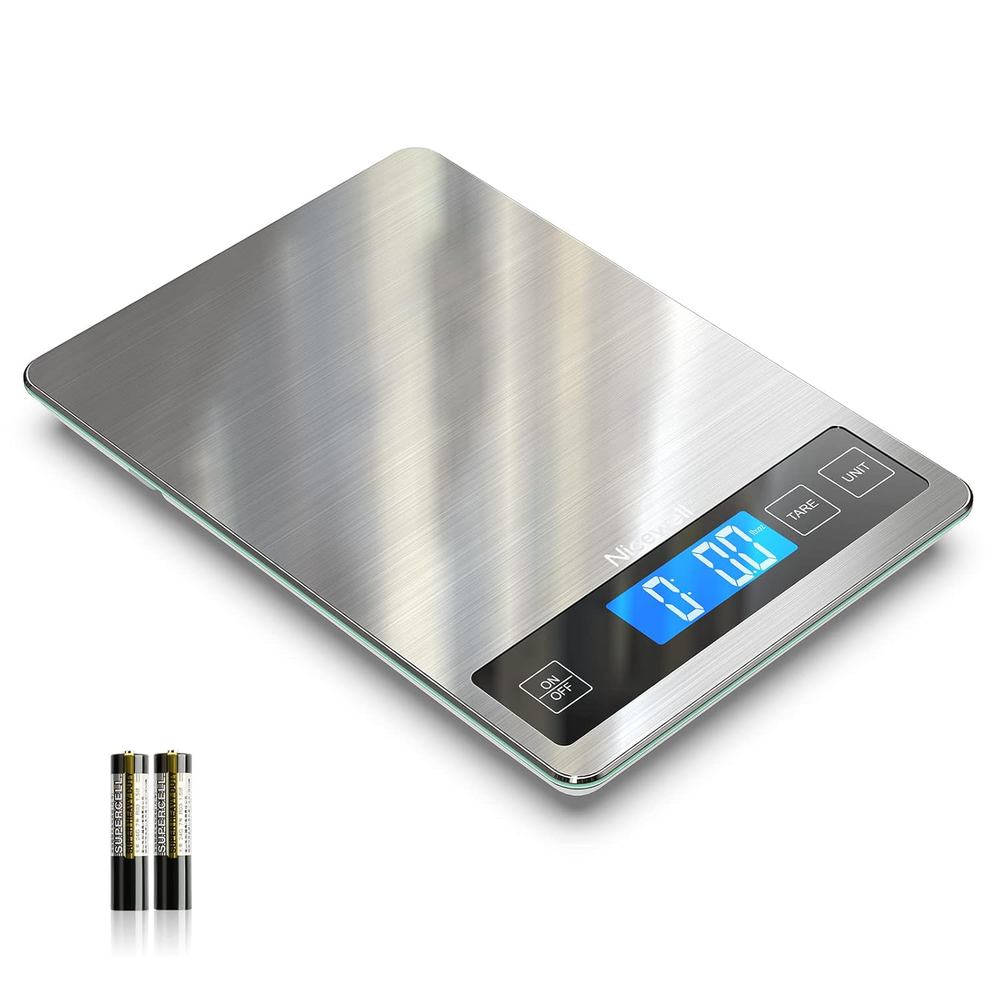
For one week, measure everything with a scale—not cups or spoons. Yes, it is tedious, but it reveals the truth. Pay special attention to:
- Oils, dressings, and sauces
- Nut butters and seeds
- Full-fat dairy and cheese
- Beverages like lattes, juice, and sports drinks
If you find an extra 200–300 calories sneaking in, trimming those alone can break the stall.
Movement adaptation: are you efficient?
If you jog the same three-mile route every day, your body learns to do it with less energy. This is known as metabolic efficiency. While it is a good thing for endurance athletes, it works against you during weight loss. Your body uses fewer calories to do the same workout than it did when you started.
The fix is not to workout longer—it is to work differently. Try one of these adjustments for two weeks:
- Add two short, high-intensity interval sessions (20 minutes of hard effort, like sprints or kettlebell swings).
- Swap one steady-state cardio day for a heavy strength training session.
- Increase your daily non-exercise activity: walk more steps, take the stairs, stand while you work.
The goal is to surprise your muscles and challenge your cardiovascular system in a new way.
Sleep, stress, and water weight
If your calories are dialed in and your workouts are changing, look at recovery. Poor sleep (fewer than 6–7 hours) increases cortisol, a stress hormone that tells your body to hold onto fat and water. Chronic stress does the same. This can mask fat loss on the scale even if you are losing inches.
You can check by taking body measurements (waist, hips, chest) and progress photos. If those are changing but the scale is not, you are losing fat while retaining water. Keep doing what you are doing—the scale will catch up. If the measurements are also flat, prioritize one week of eight hours of sleep and gentle activity like walking and stretching.
When to worry (and when not to)
A plateau is rarely a sign of a medical problem, but there are exceptions. If you are also experiencing fatigue, hair loss, feeling cold all the time, or irregular periods (if applicable), you may be undereating or overtraining. A registered dietitian can help recalibrate your plan. Otherwise, trust the process. Plateaus are temporary.
Remember: the number on the scale is just one data point. Your clothes fit differently. You can lift heavier. You have more energy. Those are wins that do not show up on a readout. The scale will move again when you give your body the right nudge—not a sledgehammer.