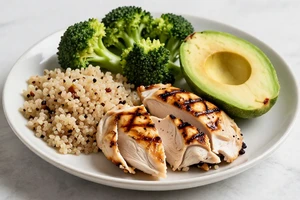
You finish a solid meal—balanced protein, good fats, some fiber—and twenty minutes later your brain is whispering about a snack. A handful of almonds, maybe something sweet. It happens again after lunch and again after dinner. You are not actually hungry. Your hydration status is quietly hijacking your appetite signals.
The human brain is remarkably bad at distinguishing thirst from hunger. The hypothalamus manages both drives, and when it detects a drop in fluid volume, it can fire off a craving that feels exactly like a need for food. Learning to spot the difference is one of the most practical skills for anyone managing weight, energy, or simply the urge to eat between meals.
Here are two clear warning signs that your body is asking for water, not calories.
Warning Sign #1: The craving hits soon after you ate
Real hunger builds gradually. It arrives two to four hours after a meal, depending on what you ate and your individual metabolism. Thirst-driven cravings are different: they often strike within 30 to 60 minutes of finishing a meal, especially if that meal included sodium, protein, or caffeine—all of which increase fluid needs.
Why the short window? Digestion itself consumes water. Your body pulls fluid into the gastrointestinal tract to break down food. If your baseline hydration was already low, that digestive demand pushes you past a threshold. The hypothalamus gets a low-fluid signal and interprets it as an energy deficit. You reach for a snack when what you really need is a glass of water.
A simple test: when that post-meal craving appears, wait five minutes and drink 8 to 12 ounces of plain water. If the urge fades within ten minutes, it was thirst.
Salt is a major trigger here. A restaurant meal or anything with a noticeable sodium load can shift your fluid balance quickly. The body's thirst mechanism is evolutionary ancient—it responds to sodium concentration in the blood before it responds to total water volume. So a salty dinner can produce a false hunger signal within an hour, even if your calorie needs are fully met.
This is especially common in the late afternoon or evening, when people have already eaten enough for the day but find themselves wandering toward the pantry. If you track when your cravings appear and notice a pattern of them clustering right after meals, treat those as hydration checkpoints.
Warning Sign #2: The craving is for something specific—crunchy, salty, or sweet
True hunger is generally open to options. If you would eat a plain apple or a handful of almonds, that is biological hunger. If you absolutely need chips, chocolate, or something crunchy and salty, that is frequently a thirst signal with a behavioral overlay.
Your body associates certain textures and flavors with water content. Crunchy foods (cucumber, celery, apple) contain water. Salty foods trigger a drinking response. Sweet flavors signal carbohydrate energy, but they can also be a sign the body is seeking a quick osmotic shift. When you are mildly dehydrated, your brain may push you toward foods that historically accompanied fluid intake—crisp vegetables, broth, fruit—or toward flavors that stimulate saliva production.
This is why the 3 p.m. soda or chip run is so often hydration-related. If you walk into the break room or kitchen with a specific, inflexible craving, and you are not genuinely hungry by the clock, pause and hydrate first. Drink water and wait ten minutes. If the craving softens or changes, you just avoided unnecessary calories.
How to tell the difference consistently
It takes practice to read your own signals. A few reliable strategies help separate thirst from hunger in real time:
- Use the water-first rule. Before any snack, drink a full glass of water and set a timer for ten minutes. Reassess. This alone catches a majority of false hunger.
- Check your urine color. Pale straw means well-hydrated. Dark yellow or amber means your fluid reserves are low and cravings are likely thirst-driven.
- Eat water-rich foods at meals. Cucumbers, tomatoes, melon, leafy greens, and broth-based soups add fluid directly. They reduce the chance of post-meal thirst signals.
- Count your total fluid, not just water. Herbal tea, sparkling water, and milk all count. Caffeinated drinks count too—they have a mild diuretic effect but still contribute to net hydration for most people.
Why it matters for weight management
Mistaking thirst for hunger is not a character flaw. It is a wiring issue. The hypothalamus does not have separate dedicated receptors for "thirst" versus "hunger" in the way we assume. Both sensations arise from overlapping neural circuits and hormones. The hormone ghrelin, which signals hunger, also responds to osmotic changes. Vasopressin, the antidiuretic hormone released during dehydration, can cross-talk with appetite centers.
Over time, consistently misreading thirst as hunger leads to extra calorie intake that the body does not need. For someone trying to maintain or lose weight, that extra 150 to 300 calories a day—from a snack triggered by thirst—can stall progress or cause slow gain. Replacing that pattern with water instead of food is a straightforward adjustment that supports better energy, digestion, and metabolic function.
A 2010 study in the journal Physiology & Behavior found that people who drank water before a meal consumed fewer calories during the meal, but the effect was most pronounced in middle-aged and older adults whose thirst sensitivity had declined. This suggests that many people are walking around in a state of low-grade dehydration, interpreting it as hunger, and never catching the mismatch.
A final thought on thirst as hunger
Your body is not trying to trick you. It is using the best signals it has. Dehydration is a genuine threat to survival, so the system prioritizes fluid detection—even if that means sending a hunger signal that gets your attention. The fix is not complicated but it does require mindfulness: pause, drink, wait, assess.
If these two warning signs—early post-meal cravings and specific texture/flavor fixations—sound familiar, try keeping a water bottle on your desk or in your bag for two weeks and note how often the snacking urge disappears after you hydrate. Many people find that what they thought was a need for food was simply a need for water. That awareness alone can change how you relate to appetite.