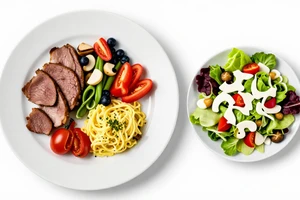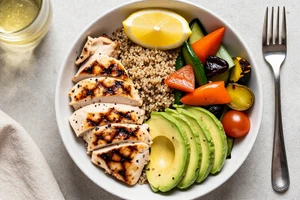

You’re eating salads, skipping fries, and turning down late-night snacks. You’re even clocking those daily steps. Yet the scale is stubbornly glued to the same number. If this sounds frustratingly familiar, the culprit might not be what you are eating—it might be what you are not eating enough of. And that often comes down to fiber.
Fiber is one of the unsung heroes of natural weight regulation. It slows digestion, stabilizes blood sugar, and signals your brain that you’re full. But when you replace whole foods with their low-fiber counterparts, you lose that built-in brake on your appetite. Here are three specific low-fiber foods that could be quietly sabotaging your progress, and what to reach for instead.
1. Refined white bread and wraps
The bagel you grabbed for breakfast or the white wrap you used for lunch might seem harmless, but these are essentially vehicles for fast-digesting starch. During milling, the bran and germ are stripped away—along with nearly all of the fiber. Without that fibrous mesh, your body breaks down the carbohydrates into sugar very quickly, which leads to a sharp blood glucose spike followed by a crash. That crash often triggers cravings for more carbs within an hour or two.
Contrast that with a slice of 100% whole-grain bread, which typically packs 2 to 4 grams of fiber per slice. A white flour wrap? Usually less than 1 gram. Over the course of a day, that difference adds up to a missed opportunity to feel satisfied with fewer total calories.
Swap idea: Choose whole-grain or sprouted-grain breads that list “whole wheat” or another whole grain as the first ingredient. Even better—use large lettuce leaves or collard greens as a wrap for a near-zero-carb, fiber-rich alternative.
2. Fruit juice and smoothies without the pulp
Fruit juice seems healthy, and it is—if you look only at the vitamins. But a glass of orange juice (even the fresh-squeezed kind) contains virtually no fiber compared to the whole orange. A medium orange provides about 3 grams of fiber; an 8-ounce glass of orange juice delivers roughly 0.5 grams. That missing fiber means the natural sugars in the juice hit your bloodstream quickly, which can spike insulin and encourage fat storage.
Pre-made smoothies can be just as tricky. Many are made with juice base plus fruit puree, but unless the blender includes the whole fruit (peel, seeds, and pith), you are missing the insoluble fiber that provides bulk and satiety. Even a “green smoothie” from a café might be low in actual fiber if they strain out the pulp for a smoother texture.
Consider this: a fiber-rich breakfast smoothie made from a whole apple, a handful of spinach, and flaxseed meal will keep you full for hours. A bottled mango-pineapple blend might leave you hungry before 10 a.m.
3. Instant oatmeal and sugary breakfast cereals
Oatmeal is famous for its fiber content, specifically beta-glucan, which helps lower cholesterol and regulate appetite. But instant oatmeal packets are often heavily processed and stripped of their bran. The oats are pre-cooked, dried, and rolled so thin that your body digests them almost as fast as white rice. To make matters worse, most flavored packets have added sugar, which further accelerates digestion and blunts the satiety benefit.
Cold breakfast cereals are a similar story. A bowl of puffed rice or corn flakes contains maybe 1 gram of fiber per serving. Compare that to a bowl of steel-cut oats, which delivers about 5 grams per half-cup dry. The difference in how you feel two hours later is dramatic.
Quick fix: Swap instant oatmeal for steel-cut or rolled oats. If you need speed, make overnight oats with chia seeds—each tablespoon of chia adds nearly 4 grams of fiber and a big dose of omega-3s.
Why fiber matters for weight loss
Beyond keeping you regular, fiber plays a direct role in weight management through several mechanisms. First, soluble fiber (found in oats, beans, apples, and carrots) forms a gel-like substance in your gut that slows the absorption of sugar and fat, leading to a more gradual insulin response. Second, insoluble fiber (found in wheat bran, nuts, and green vegetables) adds bulk to stool and speeds transit time, which can reduce calorie absorption slightly. But the biggest impact may be behavioral: a high-fiber meal takes longer to chew and longer to empty from your stomach, so you naturally eat less over the course of the day.
Studies consistently show that people who increase their fiber intake by 14 grams per day can see a meaningful reduction in calorie intake and body weight—without any other dietary changes. That’s roughly the amount in a half-cup of black beans plus a pear and a handful of almonds.
How to spot low-fiber foods
If a food is white, soft, and processed, it’s probably low in fiber. Think white rice, white pasta, crackers, pretzels, and most packaged snacks. These foods have been refined to remove the outer layers where fiber lives. The same goes for foods labeled “enriched”—that means the manufacturer put back a few vitamins after stripping the grain, but the fiber usually stays gone.
Here’s a quick checklist for the grocery aisle:
- Check the label: Look for at least 3 grams of fiber per serving. Anything less is a low-fiber food.
- Look for “whole” in the name: “Whole wheat,” “whole corn,” “whole oats,” or “brown rice” are better bets.
- Beware of “multigrain” or “wheat flour”: These terms don’t guarantee fiber; they might mean white flour with a few grains mixed in.
One more subtle source: dairy products like cheese, milk, and yogurt contain zero fiber. While dairy can be part of a balanced diet, a meal built around cheese and white pasta will be heavy in calories and light in fiber. If you enjoy yogurt, pair it with whole berries, nuts, or a sprinkle of chia seeds to boost the fiber count.
Simple ways to add fiber back in
You don’t need to overhaul your entire kitchen at once. Tiny swaps have a cumulative effect. Try these three actionable changes:
- Top your meals with seeds. A tablespoon of flaxseed, chia, or hemp seeds adds 2 to 4 grams of fiber. Sprinkle them on oatmeal, yogurt, salads, or even pasta.
- Choose fruit over juice. Eat an apple instead of drinking apple juice. Eat an orange instead of drinking orange juice. You get the vitamins plus the fiber—and fewer calories.
- Cook grains from scratch. A batch of farro, barley, or buckwheat on Sunday takes 30 minutes and gives you a high-fiber base for bowls, salads, or side dishes all week.
Remember: fiber works best when you increase it gradually and drink plenty of water. A sudden jump from 10 grams to 30 grams per day can cause bloating and discomfort. Add one serving every few days and let your digestive system adjust.
Weight loss is rarely about one single nutrient, but fiber is the closest thing to a safety net. By identifying these three low-fiber foods and making small swaps, you give your body the tools it needs to regulate appetite naturally—without the sugar crashes, cravings, and frustration that come when fiber is missing from the plate.