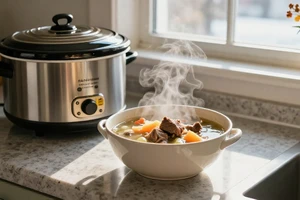
You planned ahead. You chopped, layered, and set your slow cooker before bed or before leaving for work. But when you lift the lid later—or reheat a portion the next day—the soup looks thin, separated, and nothing like the thick, comforting bowl you imagined. If this sounds familiar, you're not alone. A watery slow cooker soup is one of the most common meal-prep frustrations, and it usually comes down to a few simple science-based reasons. Let's break down why it happens and how to fix it for good.
Why does slow cooker soup turn watery?
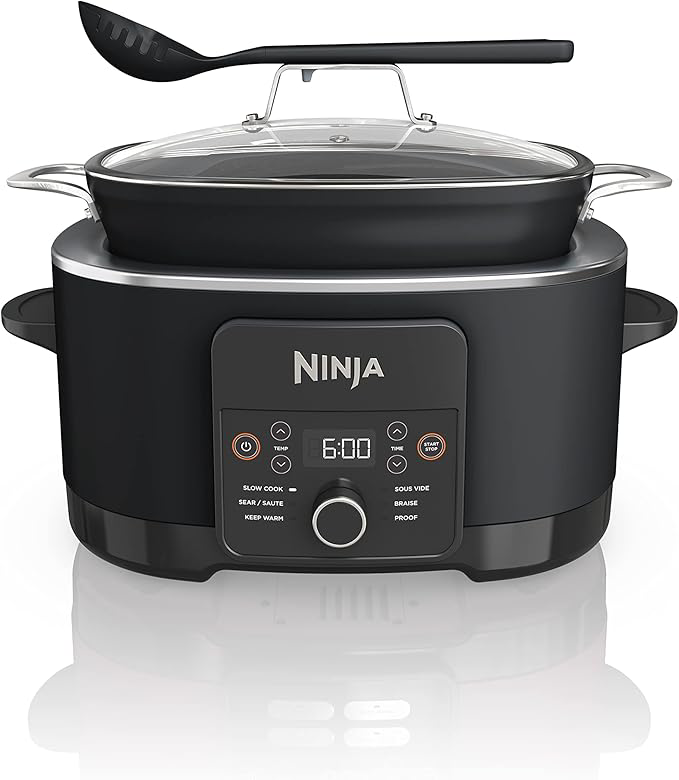
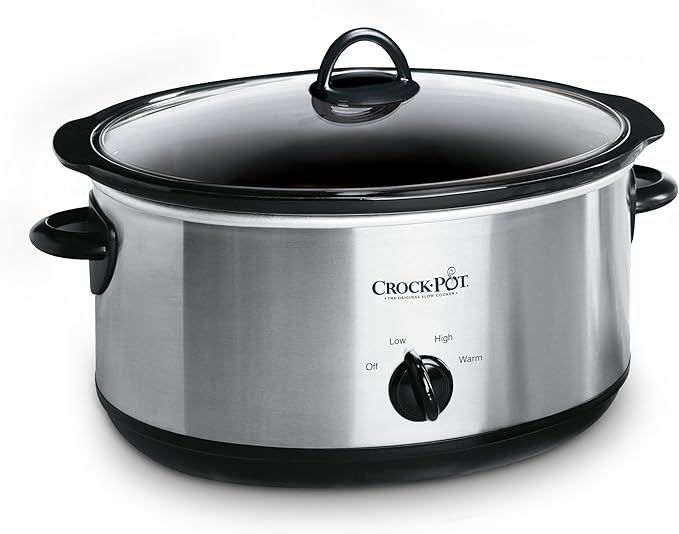
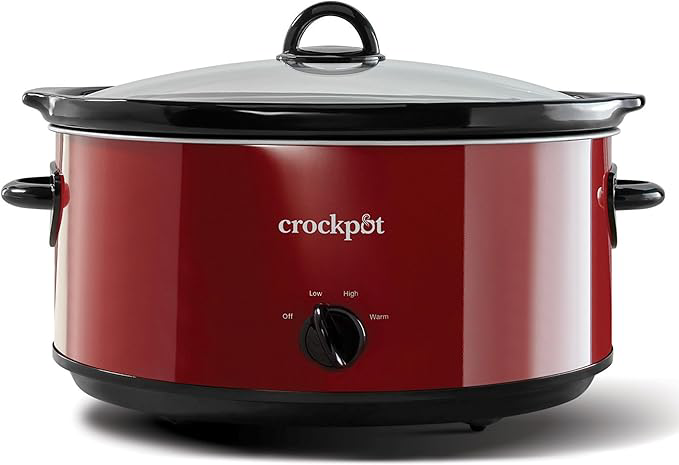
The slow cooker works by trapping steam and cooking at a low, steady temperature for hours. That gentle heat is great for tenderizing meat and melding flavors, but it also means very little liquid evaporates. Unlike a stovetop pot where steam escapes freely, a slow cooker's lid creates a sealed environment. So all the water from your vegetables, meat, and added broth stays in the pot. Vegetables like zucchini, celery, onions, and tomatoes release a surprising amount of moisture as they break down. That liquid has nowhere to go, and your soup becomes thinner than you intended.
Another common culprit is adding too much broth or water at the start. Many recipes suggest covering ingredients with liquid, but that rule doesn't account for the water that vegetables will later release. Over time, the total liquid volume increases, and the soup feels more like a broth than a hearty stew.
Starch breakdown also plays a role. Potatoes, rice, pasta, and beans can absorb liquid as they cook. But if you add them too early—or in the wrong form—they may break down completely and release starch that actually thickens the soup unevenly before thinning out again. The result can be a gummy layer at the bottom with a watery layer on top.
Finally, fat separation can make a soup look watery even when it isn't. When meat or poultry cooks for hours, fat renders and rises to the surface. If you skim it off, you lose that rich mouthfeel. But if you leave it and the soup cools, the fat solidifies into a greasy cap that makes the liquid underneath look thinner.
The biggest secret to a thick slow cooker soup? Let it rest, then stir—and don't be afraid to finish it on the stovetop if you need a quick fix.
Fix #1: Adjust your liquid from the start
The easiest way to avoid watery soup is to add less liquid than you think you need. For most slow cooker soups, start with just enough broth or water to barely cover the solid ingredients—not drown them. Remember that onions, tomatoes, mushrooms, and leafy greens will release moisture as they cook. A good rule of thumb is to reduce the liquid called for in a standard recipe by about a quarter to a third.
If you're following a recipe that says "add 6 cups of broth," start with 4 or 4.5 cups. You can always stir in more hot broth near the end if the soup looks too thick. It's much harder to fix a soup that's already watery.
Another strategy: reserve part of the broth and add it during the last 30 minutes of cooking. This gives you more control over the final consistency. Fresh herbs, lemon juice, or a splash of vinegar can also be added at the end for brightness without extra water.
Fix #2: Use thickeners the right way
Thickeners can work beautifully in a slow cooker, but timing and technique matter. Here are three reliable options.
Cornstarch slurry
Cornstarch is a fast thickener, but it loses its power if cooked for too long. Whisk 1 to 2 tablespoons of cornstarch with an equal amount of cold water until smooth. Stir the slurry into the soup during the last 20 to 30 minutes of cooking. Let it simmer uncovered for a few minutes, and you'll see the soup thicken almost immediately. Do not add cornstarch at the beginning—it will break down and leave you with a thin, cloudy soup.
Flour or beurre manié
Flour needs time and fat to cook properly. A beurre manié—equal parts softened butter and all-purpose flour kneaded into a paste—can be whisked into the soup about an hour before serving. The butter helps the flour disperse without clumping. Alternatively, you can make a quick roux on the stovetop before adding it to the slow cooker. Be aware that flour-based thickeners will make the soup slightly cloudy, which is fine for creamy or rustic soups.
Mashed beans or potatoes
For a naturally thicker soup without any refined starch, mash a portion of the cooked beans or potatoes and stir them back in. You can also puree a cup of the soup solids with an immersion blender or in a stand blender, then return the puree to the pot. This adds body and creaminess without altering the flavor much.
Fix #3: Cook uncovered at the end
The slow cooker's sealed lid is the main reason soup stays watery. But you can work around it by removing the lid for the last 30 to 45 minutes of cooking. This allows steam to escape, which concentrates the flavors and thickens the liquid. If you're worried about food safety or energy use, simply switch the slow cooker to high, remove the lid, and let it simmer uncovered. Stir occasionally to prevent sticking.
This method works especially well if your soup has a lot of liquid from vegetables or meat. You'll see the level drop by half an inch or more, and the texture will become noticeably richer. For meal-prep purposes, you can also cool the soup completely, refrigerate it overnight, and then reheat it the next day. As it sits, starches continue to absorb liquid, and the soup often thickens on its own. If it's still too thin after reheating, simmer it uncovered for 10 minutes on the stovetop.
Extra tips for meal-prep success
- Layer wisely: Place dense root vegetables like carrots and potatoes at the bottom of the slow cooker. They take longer to cook and won't release as much water as softer vegetables like zucchini or bell peppers. Add quick-cooking vegetables in the last hour.
- Brown meat first: Searing meat before adding it to the slow cooker adds flavor and reduces the amount of watery drippings. It also helps render some fat that would otherwise dilute the broth.
- Skip pasta and rice until serving: Grains and noodles absorb liquid unevenly in a slow cooker. Cook them separately and add them to individual bowls when you serve. This keeps your soup from turning into a mushy, watery mess the next day.
- Use a slow cooker liner or adjust for altitude: At high altitudes, water boils at a lower temperature and evaporation is faster. If you live above 3,000 feet, you may need to add a little more liquid at the start, but still check consistency before the end.
Meal-prepped slow cooker soup can be just as thick and satisfying as a stovetop version—you just need to account for the moisture that gets trapped inside. With a little tweaking of your liquid, timing, and thickening approach, you'll be able to dish out a bowl that's rich, hearty, and exactly what you were craving.