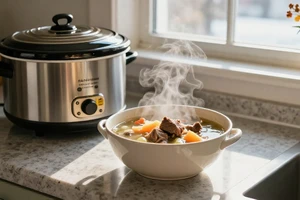
Slow cooker soups are a staple for many people who want to eat well without spending hours in the kitchen every day. But not every soup holds up after a few days in the fridge—nobody wants a bowl of mushy vegetables or watery broth by Wednesday. We asked registered dietitians for their practical, food-science-backed advice on building batches that stay flavorful and textured from Sunday prep through Thursday lunch.
Meal-prepping soup that lasts isn't about complicated techniques. It's about ingredient choices, timing, and a few storage tricks that keep each spoonful as good as the first. Here's what the experts recommend for soups that taste fresh all week long.
Choose Sturdy Vegetables for Longevity
Dietitians agree that the single most impactful change you can make is picking the right vegetables. Delicate greens like spinach, arugula, or parsley should never go into the pot at the start. Instead, add them in the last five minutes of cooking—or even right before serving. If you're prepping a full week's worth, pack fresh leafy greens separately and add them to individual portions after reheating. This preserves both color and texture.
For the slow cooker itself, opt for vegetables that hold their structure under prolonged heat. Good choices include:
- Carrots, parsnips, and celery root
- Cauliflower and broccoli florets (add in the last 30 minutes)
- Bell peppers and zucchini (add midway, not at the start)
- Frozen peas or corn (stir in at the very end)
Potatoes and sweet potatoes work well, but dice them into uniform, larger chunks—small pieces disintegrate over hours of simmering.
Layer Your Beans and Grains Separately
Beans and lentils can turn to mush if they cook too long. While some people enjoy a blended, creamy lentil soup, meal-preppers seeking distinct texture need a different strategy. Dietitians suggest cooking dried beans separately until just tender, then adding them to the slow cooker only for the last 30 to 60 minutes.
Grains present a bigger challenge. Rice, quinoa, barley, and pasta absorb liquid continuously and become bloated or gummy by day three. The fix is simple: cook the grain separately and store it in a container in the fridge. When you reheat a serving of soup, add a spoonful of the cooked grain. It only takes an extra minute and makes a tremendous difference in mouthfeel.
"The biggest mistake I see is dumping dry rice into the slow cooker with everything else. By day two, the soup has turned into a casserole." — Jenna A., RD
Keep the Broth, Vegetables, and Protein Separate if Possible
For the ultimate fresh-tasting soup all week, dietitians recommend the "component prep" approach. Cook the broth base—seasoned, simmered with aromatics like onion, garlic, and herbs—and store it strained. Prep your proteins (shredded chicken, browned beef, tofu) and vegetables separately in containers. When you're ready to eat, combine one serving of each and heat.
This is especially useful for grain- or noodle-based soups. Miso soup, chicken noodle soup, and beef barley soup benefit enormously from this method. While it adds a few minutes to each meal, the result is soup that tastes freshly made every time, with no loss of texture or flavor.
Use Acid and Herbs at the End
A splash of lemon juice, a swirl of yogurt, or a handful of fresh herbs can transform a bowl of soup. But these finishing touches lose their punch if they simmer for hours. Dietitians emphasize that bright, volatile flavors degrade quickly with heat. Stir in lemon or lime juice, fresh parsley, cilantro, dill, or chives just before serving. Similarly, cream or coconut milk should be added off the heat—prolonged boiling can cause dairy to curdle or separate.
For meal-prepped portions, leave these garnishes out entirely. Store a small container of fresh herbs and a lemon wedge in the fridge, and finish each bowl at reheating time. A final drizzle of extra-virgin olive oil or a dollop of Greek yogurt adds richness that stays fresh if added individually.
Cool and Store With Smart Methods
How you cool and store your soup matters as much as how you cook it. Dietitians stress one rule: never put hot soup directly into the refrigerator. It lowers the fridge's overall temperature, creates condensation, and can breed bacteria. Let the soup cool on the counter for no longer than 30 minutes—use an ice bath or a wide, shallow container to speed cooling.
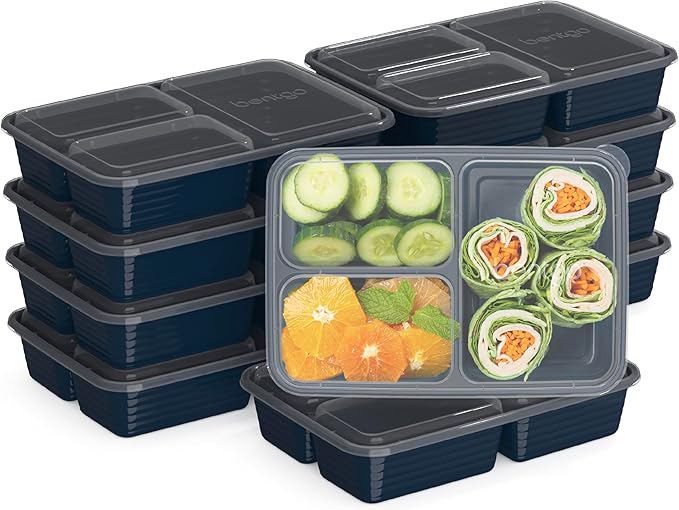
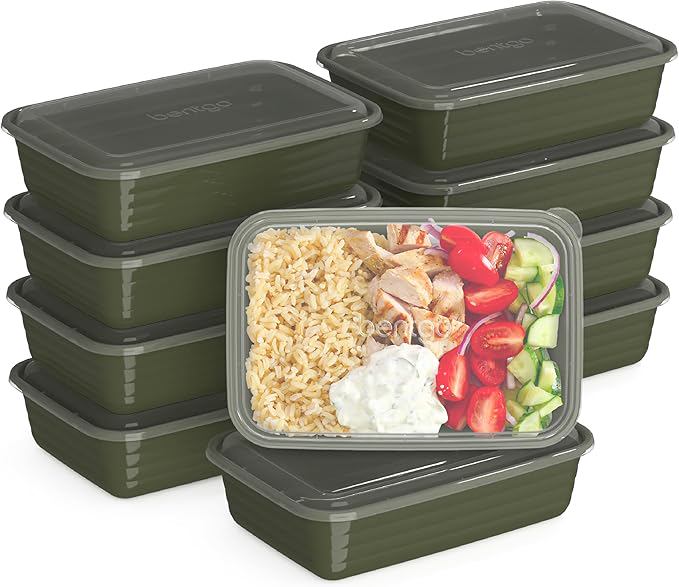
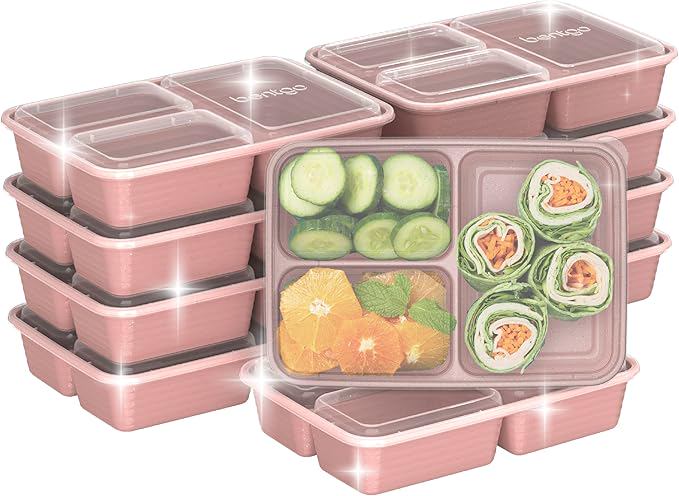
Once cooled, portion soup into airtight glass or BPA-free plastic containers. Leave a little headspace for expansion if freezing. For best freezer quality, use within three months. Reheat thoroughly to at least 165°F, stirring occasionally to ensure even warming. Adding a splash of broth or water when reheating restores the consistency, as some liquid evaporates during storage.
Best Soup Styles for Long-Term Prep
Not all soups are created equal when it comes to meal prep. Dietitians suggest these types hold up best over a week:
- Beef and vegetable stew (chunky, low-water vegetables)
- Black bean or lentil soup (couscous or grains added per serving)
- Tomato-based minestrone (pasta stored separately)
- Curried lentil or butternut squash soup (pureed or creamy texture improves over time)
Avoid soups high in cream or milk for long storage—they separate and can develop an unpleasant texture. Similarly, soups with lots of delicate seafood (like shrimp or cod) don't reheat well and are best eaten fresh.
Meal-prepping slow cooker soups that last comes down to thinking about each ingredient's journey. By choosing sturdy textures, separating delicate components, and adding bright flavors at the end, you can enjoy fresh-tasting, nourishing soup all week long—with minimal daily effort.