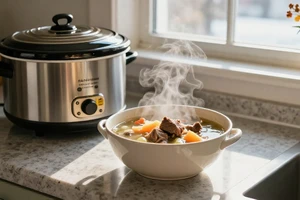

Slow cooker soups are a staple for busy weeks—set it and forget it, then enjoy warm, homemade meals all week. But there’s a catch: without enough protein, that cozy bowl of soup can leave you feeling sluggish, hungry again within an hour, or even derailing your energy levels and muscle maintenance over time. Here are two clear signs that your slow cooker soup meal prep might be falling short on protein, plus how to fix it without complicating your routine.
Sign #1: You’re Hungry Within Two Hours of Eating
Protein is the most satiating macronutrient. When your soup is heavy on vegetables, broth, and perhaps some grains or noodles but light on protein, you digest it quickly. Blood sugar rises and falls, and soon you’re reaching for a snack. If you or your family members are feeling hungry soon after a bowl of soup—especially at lunch or dinner—that’s a primary clue the meal lacks enough protein to keep you full.
Sign #2: You Feel Tired or Brain-Foggy After Lunch
Protein also plays a key role in stabilizing blood sugar and supporting neurotransmitter function. A soup that’s mostly carbohydrates (from potatoes, beans, corn, or pasta) with minimal protein can cause an energy crash. If you notice afternoon brain fog, fatigue, or irritability after your soup-based lunch, it’s often tied to insufficient protein in that meal.
Why Protein Matters in Slow Cooker Soups
Beyond satiety and energy, protein is essential for muscle repair, immune function, and hormone balance. For meal prep, soups can be a fantastic way to pack in lean protein—but only if you intentionally include it. Many classic “vegetable soup” or “minestrone” recipes rely on beans or small amounts of meat, which may not provide the 20–30 grams of protein per serving that most adults need at a main meal.
How to Boost Protein in Your Slow Cooker Soup
Fixing a low-protein soup is simple. Try these strategies:
- Add shredded chicken or turkey: Cooked, shredded poultry stirred in during the last 30 minutes adds lean protein without changing the flavor profile much.
- Include lentils or chickpeas: They hold up well in slow cookers and provide plant-based protein. One cup of cooked lentils has about 18 grams of protein.
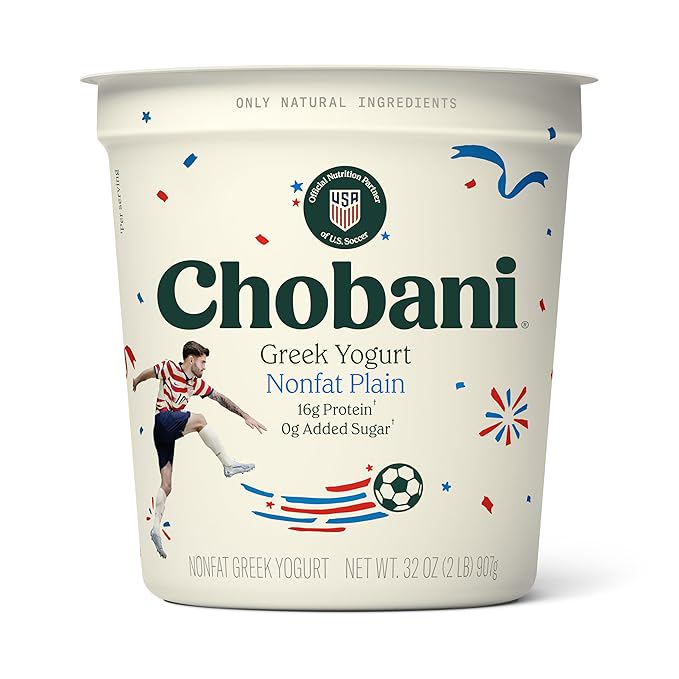
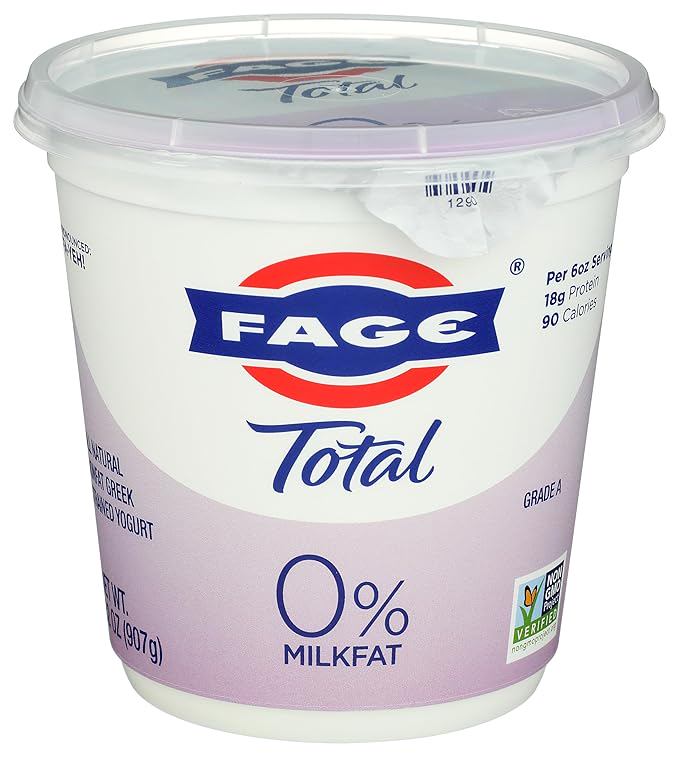
- Stir in Greek yogurt or cottage cheese: Swirl in full-fat Greek yogurt or cottage cheese just before serving for creaminess and a protein boost—just don’t boil them.
- Use bone broth as the base: While not a complete protein, bone broth adds a small amount of collagen protein and a savory depth.
- Top with eggs: A poached or soft-boiled egg on top of a bowl of soup adds 6–7 grams of protein and makes the meal feel more substantial.
A quick tip: Aim for at least 20 grams of protein per serving of soup. For reference, that’s about 3 ounces of cooked chicken or 1 cup of cooked lentils.
What About Beans and Lentils as Protein Sources?
Beans and lentils are excellent sources of protein, but they are not complete proteins on their own (lacking some essential amino acids). Pair them with a grain like quinoa, rice, or whole-wheat pasta in the same meal to create a complete protein. Or simply add a small amount of animal protein alongside them. The key is variety across the week, not perfection in every bowl.
Don’t Forget Portion Size
Even a protein-rich soup can be a problem if your portions are too small. When meal prepping, use a standard 2-cup serving as a baseline. Feel free to adjust based on your hunger and activity level. A soup that’s mostly liquid and low in protein will leave you hungry, while a well-balanced soup can be a satisfying meal.
How to Check Your Current Recipe
Pull up your go-to slow cooker soup recipe and do a quick estimate: add up the total grams of protein from all ingredients (labels help), then divide by the number of servings. If the result is under 15 grams per serving, it’s likely too low for a main meal. Many vegetable-based soups land around 8–12 grams of protein per serving—fine as a starter or side, but not as a meal on its own.
Bottom line: If you’re hungry soon after eating or feeling tired in the afternoon, your slow cooker soup meal prep probably needs more protein. A few simple additions—lean meat, lentils, dairy, or eggs—can turn it into a well-rounded meal that keeps you satisfied and energized. No need to overhaul the whole plan; just boost the protein.