
If you are already choosing whole grains and lean proteins for your heart, there is one more ingredient that deserves a spot on your plate: fiber. Most heart-healthy diets emphasize cutting sodium and saturated fat, but fiber does heavy lifting on its own. It helps lower cholesterol, stabilize blood sugar, and keeps your digestive system regular. The challenge is that many of us still fall short of the recommended 25–30 grams per day. The good news is that adding more fiber does not mean bland meals or complicated recipes. Small, smart swaps can turn an ordinary dish into a heart-protective one in minutes.
Why fiber matters for your heart
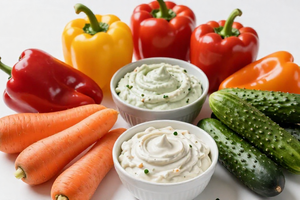
Fiber works like a gentle scrub for your blood vessels. Soluble fiber, found in oats, apples, carrots, and beans, binds with cholesterol particles in the digestive tract and helps remove them before they enter your bloodstream. Over time, this can lower LDL (“bad”) cholesterol without medication. Insoluble fiber, found in vegetables, nuts, and whole grains, supports gut health and helps regulate blood pressure by promoting a healthy weight and reducing inflammation. Together, these two types create a powerful team for cardiovascular protection.
Common fiber gaps in heart-healthy eating
Even people who eat well often miss fiber-rich foods. A typical heart-conscious meal might include grilled chicken, a leafy salad, and quinoa. While that sounds balanced, the salad may lack enough volume, and the quinoa alone does not provide a wide range of fibers. Meanwhile, processed “low-fat” or “low-sodium” products can be stripped of their natural fiber. The solution is to look for opportunities to add vegetables, legumes, and whole fruits at every eating occasion.
Check your plate for these patterns
- You skip the skins: Peeling apples, potatoes, or cucumbers removes much of the fiber. Wash thoroughly and eat the peel when possible.
- You rely on juice: Fruit juice lacks the pulp that provides fiber. Whole fruit is always better for heart health.
- You forget legumes: Lentils, chickpeas, and beans are fiber powerhouses. They can be added to soups, salads, or even pasta dishes without changing the flavor profile much.
Fast ways to add fiber to any meal
Adding fiber does not require a complete kitchen overhaul. The simplest method is to “layer” fiber into dishes you already make. Here are practical, fast techniques that work with most cuisines.
Start with breakfast
Swap white toast for 100% whole-grain bread or a slice of dense rye. Sprinkle a tablespoon of ground flaxseed or chia seeds over oatmeal or yogurt. These seeds are rich in soluble fiber and omega-3s, both beneficial for the heart. If you prefer a smoothie, add a handful of spinach or frozen berries instead of sugary juice.
Upgrade your grains
Replace white rice with brown rice, quinoa, farro, or barley. These grains retain their bran and germ, which is where the fiber lives. When cooking pasta, choose whole-wheat or legume-based versions. They cook in the same time but deliver three to four times more fiber per serving.
Bulk up vegetables
Aim for at least two vegetables at lunch and dinner. This is easier than it sounds: toss shredded carrots or zucchini into marinara sauce, stir chopped bell pepper into scrambled eggs, or roast broccoli alongside your protein. Leafy greens like spinach and kale add volume and fiber without calories.
Snack smarter
Replace chips or crackers with raw vegetables and hummus, a small handful of almonds, or an apple with peanut butter. Even a pear or a cup of berries provides 4–6 grams of fiber per serving.
Real-world example: radish leaves and heart-friendly cooking
Consider the humble radish. Most people eat the root and discard the greens, but radish leaves are a fiber-rich, nutrient-dense green that can be used like spinach or fenugreek. A simple Indian-style dish called mooli ki bhurji uses both the radish and its leaves. The leaves provide iron, vitamin C, and calcium, while the radish root contains anthocyanins and potassium, both linked to lower blood pressure and cholesterol. This recipe is a good example of how to use the whole vegetable, reducing waste and increasing fiber and micronutrients in a single meal.
Quick mooli ki bhurji concept
Finely chop one radish and its leaves, then blanch briefly. Sauté with mustard oil, carom seeds, a pinch of asafoetida, turmeric, and coriander powder. Add chopped tomato, cook until soft, and serve with whole-grain roti or phulka. This dish is naturally low in calories and high in fiber.
How much fiber do you need?
Current guidelines recommend 25 grams per day for women and 38 grams for men, though most adults need 30 grams as a practical target. If you are not used to a high-fiber diet, increase your intake gradually over a week or two. Drink plenty of water as fiber absorbs fluid in the digestive tract. Sudden large increases can cause bloating or gas, which is temporary but uncomfortable.
Common mistakes to avoid
- Relying on supplements: While fiber powders or gummies can help in a pinch, whole food sources provide vitamins, minerals, and antioxidants that supplements lack.
- Adding too much too fast: Jumping from 15 grams to 40 grams in one day can cause cramping. Increase by 5 grams every few days.
- Forgetting to read labels: Packaged foods labeled “high fiber” may also contain added sugars or sodium. Always scan the ingredient list.
The takeaway for your heart
Fiber is one of the most accessible and affordable tools for heart health. It does not require expensive ingredients or elaborate preparation. By making small, consistent choices—eating the skins, choosing whole grains, adding a handful of greens, and using every part of vegetables like radish—you can significantly boost your daily fiber intake. Your heart, your gut, and your energy levels will all benefit.
Disclaimer: This article is for educational purposes and does not replace medical advice. Consult your healthcare provider before making significant changes to your diet, especially if you have a medical condition or take medication.