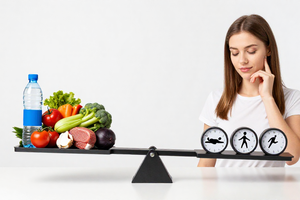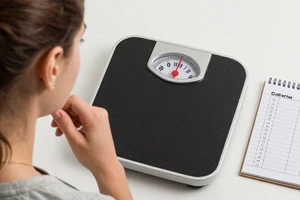
For years, the golden rule of weight management has been simple: burn more calories than you consume. While that energy balance equation isn't wrong, it is incomplete. Relying solely on a calorie count ignores what those calories actually do inside your body. Two nutrients in particular—fiber and protein—deserve far more attention than the number on the nutrition label. Tracking them can reshape how you feel, how full you stay, and how your body uses energy, making it a smarter strategy than just watching your daily total.
Why a calorie is not just a calorie
Not all calories behave the same way once you swallow them. A 200-calorie serving of soda hits your system quickly, spiking blood sugar and leaving you hungry again soon after. A 200-calorie serving of chickpeas, on the other hand, brings fiber and protein that slow digestion, steady your blood sugar, and signal fullness to your brain. The number on the scale may move similarly in the short term, but the quality of those calories determines whether you feel energized, satisfied, or ready to raid the pantry an hour later.
When you shift your focus to fiber and protein, you naturally start choosing foods that support satiety and stable energy. The calorie count becomes a helpful secondary check rather than the sole goal. This approach also helps preserve muscle mass during weight loss, which keeps your metabolism from slowing down—a common pitfall of aggressive calorie cutting.
How fiber changes the game
Fiber is the part of plant foods that your body cannot digest. It passes through your system mostly intact, doing valuable work along the way. Soluble fiber, found in oats, beans, apples, and carrots, forms a gel-like substance in your gut that slows the absorption of sugar into your bloodstream. Insoluble fiber, found in whole grains, nuts, and vegetables, adds bulk to stool and helps keep things moving.
Aim for at least 25 to 30 grams of fiber per day from whole food sources. Most adults currently get less than half of that.
Tracking fiber gives you a direct measure of how well your meals support digestive health, blood sugar control, and lasting fullness. When you prioritize fiber, you automatically reduce room for processed, low-nutrient foods. You also feed the beneficial bacteria in your gut, which play a role in inflammation and even mood regulation.
Practical ways to increase fiber
- Start with breakfast: Choose oatmeal, bran cereal, or a smoothie with chia seeds and berries instead of low-fiber options like white toast or sugary cereal.
- Switch your grains: Replace white rice, white pasta, and white bread with quinoa, brown rice, whole-wheat pasta, or barley.
- Add legumes: Lentils, chickpeas, black beans, and kidney beans can go into salads, soups, grain bowls, and even pasta sauces.
- Eat the peel: Many fruits and vegetables have concentrated fiber in their skins. Keep the peel on apples, pears, potatoes, and cucumbers when possible.
Why protein matters more than you think
Protein does far more than build muscle. It is the most satiating macronutrient, meaning it reduces hunger more effectively than carbohydrates or fat. When you eat enough protein, your body produces hormones like peptide YY and GLP-1, which signal to your brain that you are full. This naturally leads to eating fewer calories later in the day without feeling deprived.
Protein also has a higher thermic effect of food than carbs or fat. That means your body uses more energy to digest and metabolize protein—roughly 20 to 30 percent of its calories go toward processing it, compared to 5 to 10 percent for carbohydrates and 0 to 3 percent for fat. This subtle metabolic boost adds up over time.
Keeping muscle while losing fat
One of the biggest risks of calorie restriction without attention to protein is muscle loss. When you cut calories, your body breaks down muscle tissue for energy unless you signal it otherwise. Adequate protein intake—combined with regular strength training—helps preserve lean mass. More muscle means a higher resting metabolic rate, which makes long-term weight management easier.
General guidelines suggest aiming for roughly 0.7 to 1 gram of protein per pound of body weight per day, especially if you are active or trying to lose weight. Spreading protein intake evenly across meals (around 20 to 30 grams per meal) appears to be more effective for muscle maintenance and satiety than eating most of your protein at dinner.
How the two work together
Fiber and protein complement each other beautifully. A meal rich in both will keep your blood sugar stable, your digestion regular, and your hunger at bay for hours. Think of a bowl of lentil soup with a side of roasted vegetables and a piece of whole-grain toast, or a salad topped with grilled chicken, chickpeas, and avocado. These combinations naturally limit overeating without requiring intense willpower.
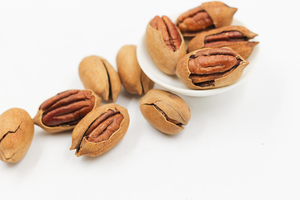
Tracking both nutrients also steers you away from empty calories. If you aim for 25 grams of fiber and 80 grams of protein in a day, you will find it nearly impossible to include much ultra-processed food, sugary drinks, or refined snacks. Those targets fill your plate with vegetables, fruits, legumes, whole grains, lean meats, fish, eggs, dairy, and nuts.
Making the switch from calorie-only tracking
Transitioning to a fiber-and-protein-first approach does not mean abandoning calories entirely. It means giving yourself a more informative set of metrics. Many tracking apps now allow you to set targets for fiber and protein alongside calories. Try it for a week: set your daily goals, log what you eat, and pay attention to how your energy, cravings, and fullness change.
You might notice that you stop obsessing over small calorie differences and start feeling more satisfied with fewer, better-chosen meals. That shift in mindset is often what makes the difference between a temporary diet and a sustainable way of eating.
The bottom line is this: counting calories gives you quantity, but tracking fiber and protein gives you quality. When you focus on the nutrients that actually influence how your body responds to food, you end up creating a calorie deficit naturally, without constant hunger or deprivation. It is a more forgiving, more effective, and ultimately smarter path to better health.