
When you’re trying to lose weight, reaching for a box of low-fat crackers or a container of fat-free yogurt feels like the sensible choice. But many people find that despite diligently counting grams of fat, the scale barely budges. The truth is, swapping full-fat foods for their low-fat processed alternatives can backfire—and understanding why is key to making smarter choices.
Food manufacturers often remove fat only to replace it with extra sugar, refined starches, or sodium to preserve taste and texture. That means a low-fat muffin may have more calories and less satiety than its full-fat counterpart. If you’ve been making this swap in the name of weight loss, you’re not alone—but it may be time to reconsider.
What happens when fat is removed?
Fat contributes to flavor, mouthfeel, and, crucially, satiety. When it’s stripped out, something has to fill the gap. Producers turn to sugar, high-fructose corn syrup, modified food starches, and artificial thickeners to mimic the original experience. The result is a product that may have similar or even higher calorie counts, plus a quick-digesting carbohydrate load that can spike your blood sugar and leave you hungry sooner.
For example, a single-serve low-fat fruit yogurt can contain up to 20 grams of added sugar—about five teaspoons. Compare that to a plain full-fat yogurt with only natural milk sugars, and the “healthier” option ends up being a dessert in disguise.
The trap of eating more because it's 'low-fat'
There’s also a psychological factor. When a package says low-fat or fat-free, many people feel entitled to eat a larger portion. You might pair a low-fat breakfast bar with a large coffee and feel virtuous, but two hours later you’re ravenous. That hunger often leads to extra snacking, which easily cancels out any calorie saved.
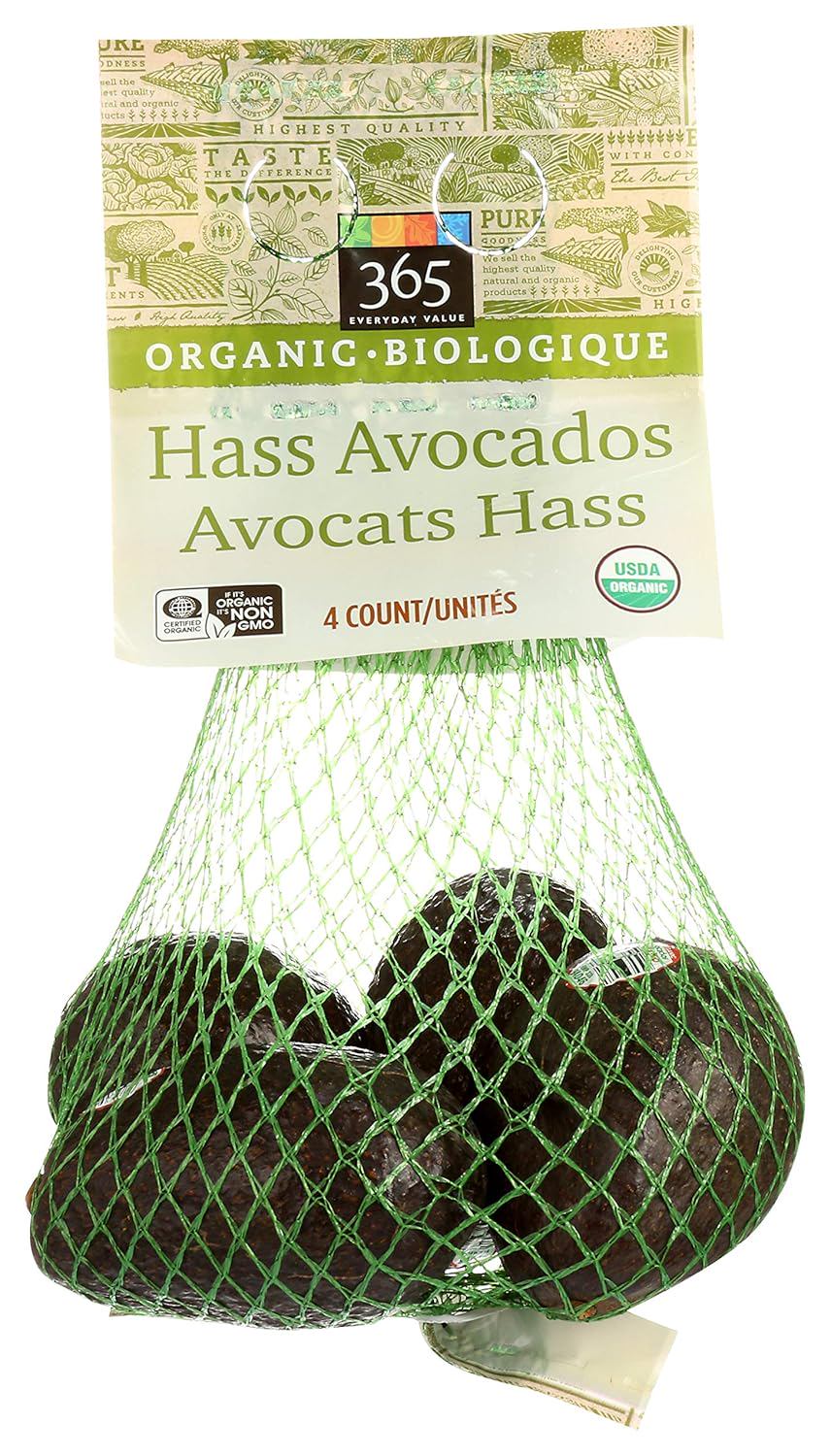
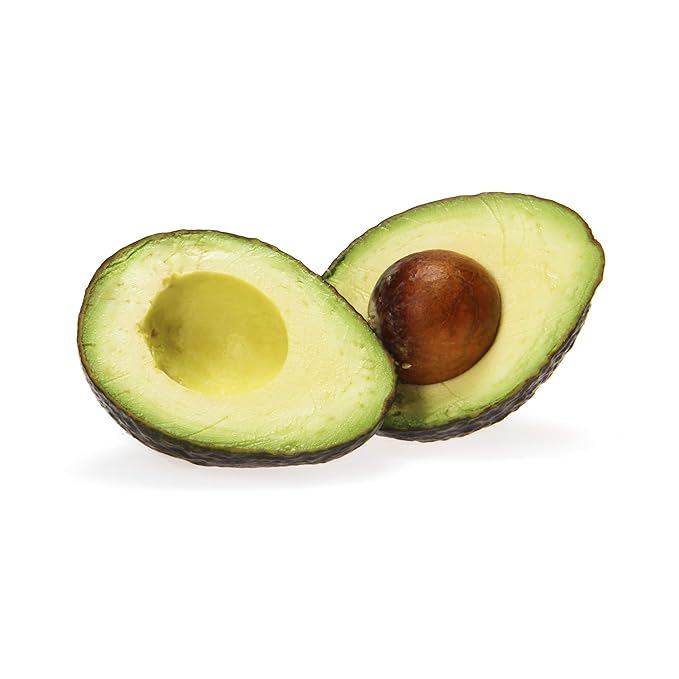
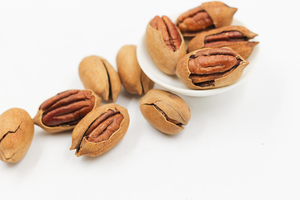
A more sustainable approach is to include reasonable amounts of healthy fats—think avocado, nuts, olive oil, eggs—which help regulate appetite and support nutrient absorption. Fats from whole foods also come with fiber, protein, and vitamins that processed low-fat products lack.
Hidden sugars and refined carbs
Low-fat cookies, salad dressings, and granola bars are notorious for their added sugar content. A typical low-fat salad dressing may list sugar or corn syrup as the second ingredient. When you eat these products, your body digests the carbohydrates quickly, causing a rapid rise and fall in blood glucose. That crash can trigger cravings for more quick energy, setting off a cycle that makes weight management harder.
In contrast, eating a modest amount of full-fat dressing made with olive oil can slow digestion and keep your blood sugar steadier—meaning you stay satisfied longer and may eat less overall.
What the research shows
Studies have repeatedly found that low-fat diets are not more effective for long-term weight loss than moderate-fat eating patterns that emphasize whole foods. A 2018 review in JAMA concluded that low-fat and low-carb diets produce similar weight loss results after one year, but adherence—sticking with the diet—was the strongest predictor of success. When people feel deprived or hungry, they’re less likely to stay on track.
Low-fat processed foods often deliver less satisfaction per calorie, making them a less sustainable choice for weight management.
How to make better choices at the grocery store
Instead of reaching for the diet version of a packaged food, read the ingredient list. Look for:
- Short ingredient lists with recognizable foods
- Items where sugar or syrup is not among the first three ingredients
- Products with at least 3 grams of fiber per serving
- Full-fat options that rely on real cream, oil, or butter rather than thickeners and sweeteners
When you eat real food, your body gets the signals it needs to feel full. A slice of cheese with an apple will keep you going longer than a low-fat cheese stick loaded with gums and fillers.
Practical swaps to try
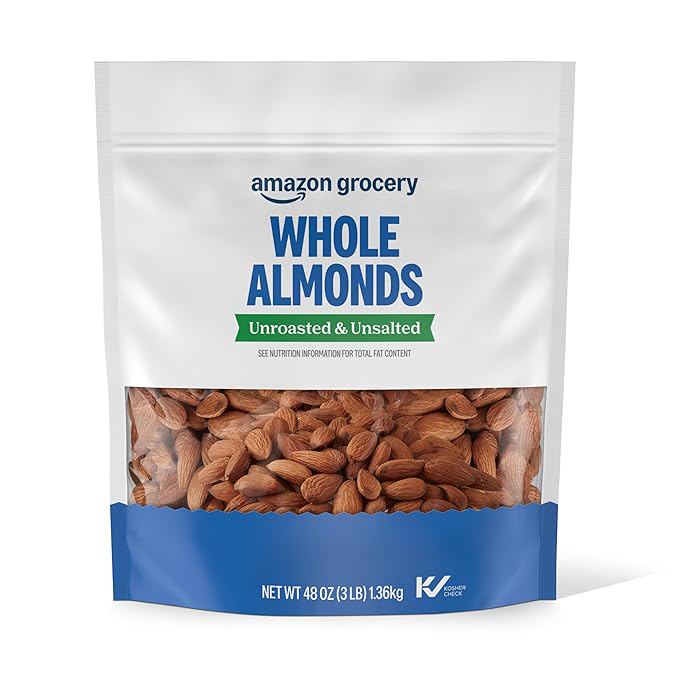
If you’re used to low-fat options, transition gradually. Swap low-fat flavored yogurt for plain full-fat yogurt sweetened with a few berries. Replace low-fat salad dressing with a simple vinaigrette made from olive oil, vinegar, and mustard. Choose a handful of almonds instead of a low-fat granola bar. These changes might add a few grams of fat to your day, but they subtract sugar and add satisfaction.
The goal is not to eat as much fat as possible; it’s to avoid the processed substitutes that sabotage your efforts. Fat from whole, minimally processed foods is an ally, not an enemy, in weight management.
Always consult a healthcare provider before making significant changes to your diet, especially if you have a medical condition that affects metabolism or digestion.