For many, the idea of tracking a calorie deficit conjures images of food scales, meticulous logging apps, and a constant mental tally of every bite. It can feel like a part-time job, one that often leads to burnout or an unhealthy fixation on numbers. But what if you could know you’re in a deficit—that sweet spot where your body taps into stored energy—without the obsessive counting?
It’s entirely possible. Shifting your focus from precise calorie arithmetic to consistent, observable patterns and physical cues can be a more sustainable and mentally freeing approach. This method relies on understanding the principles of energy balance and learning to read your body’s signals and your lifestyle’s rhythm.
Understanding the Deficit Without the Calculator
A calorie deficit simply means you’re consuming fewer calories than your body expends. While calculators can estimate your needs, you don’t need them to create the imbalance. Think of it like a bank account: you don’t need to count every single penny to know you’re spending less than you deposit if you’ve adopted frugal habits and see your savings grow. The goal is to establish habits that reliably create that negative balance.
The most sustainable deficit is one you can maintain without constant mental effort.
Reliable Non-Counting Tracking Methods
Instead of tracking inputs, track outcomes and consistent behaviors. These indicators, observed over weeks—not days—paint a clear picture of your energy balance.
Monitor Your Trends, Not Daily Numbers
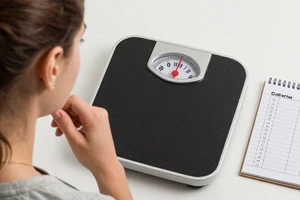
Your body weight naturally fluctuates daily due to water retention, hormones, and digestive contents. Obsessing over daily scale changes is counterproductive. Instead, weigh yourself once or twice a week, at the same time of day (like first thing in the morning). Look at the trend over a month. A gradual, downward trend on the graph indicates a deficit. If the trend is flat or rising, it’s a signal to adjust.
Use the Fit of Your Clothes
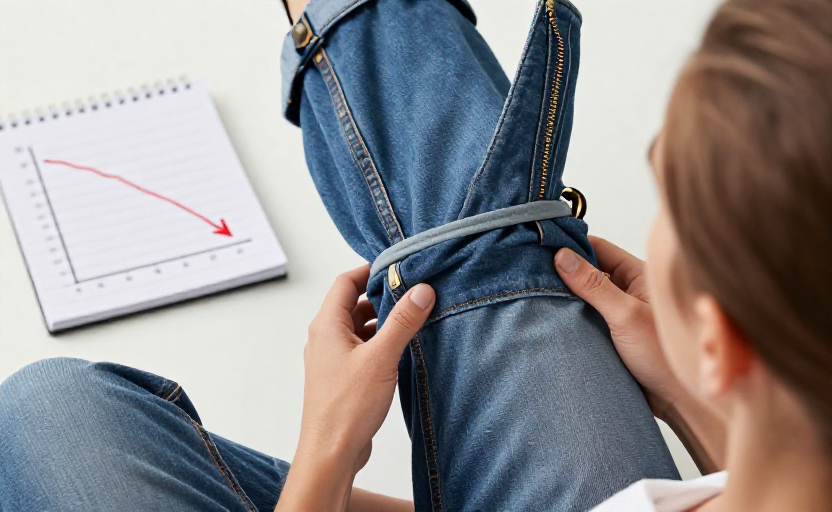
This is one of the most practical and telling metrics. Pick a pair of pants, jeans, or a belt that is currently slightly snug. Notice how they fit every week or two. Are they becoming more comfortable? Is the belt notch moving? Changes in how your clothes fit, especially around the waist, hips, and thighs, are excellent real-world evidence of fat loss, often more meaningful than scale weight alone.
Pay Attention to Hunger and Energy Cues
Your body communicates. A mild, manageable hunger between meals can be a sign you’re in a deficit. Conversely, constant, ravenous hunger or significant drops in energy, mood, and workout performance often signal a deficit that’s too aggressive. Aim for a gentle deficit where you feel satiated after meals and have steady energy throughout the day.
Your favorite pair of jeans is a more honest tracker than a fleeting number on the scale.
Building a Deficit Through Habit Stacking
You create a deficit by making small, consistent changes to your daily energy equation. Focus on these foundational habits:
- Prioritize Protein and Fiber: Meals built around lean protein (chicken, fish, legumes, tofu) and high-fiber vegetables (leafy greens, broccoli, peppers) are naturally more satiating and less calorie-dense. They help you feel full longer, reducing the urge to snack.
- Mind Your Liquid Calories: Sugary sodas, specialty coffees, juices, and alcohol are significant calorie sources that don’t trigger fullness. Making water, herbal tea, or black coffee your primary beverages automatically cuts a large number of “invisible” calories.
- Practice Mindful Eating: Eat without screens, chew thoroughly, and pause halfway through your meal to check in with your hunger. It takes about 20 minutes for your brain to register fullness. Slowing down helps you stop eating when you’re satisfied, not stuffed.
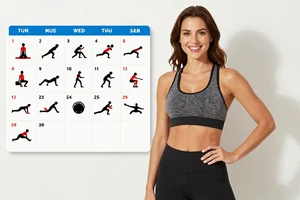
- Incorporate Consistent Movement: This isn’t just about formal exercise. Increase your daily non-exercise activity thermogenesis (NEAT)—walk more, take the stairs, do household chores, fidget. Consistently moving more throughout the day significantly boosts your total calorie expenditure.
When to Check Your Progress and Adjust
Patience is key. Give any new habit change at least three to four weeks before evaluating. If after a month your clothing isn’t fitting better and the scale trend is flat, you may need a subtle adjustment. Don’t slash calories drastically. Instead, look for one habit to tighten: perhaps add an extra vegetable portion to dinner to feel fuller, swap an afternoon snack for a walk, or be more diligent about portion sizes at one meal.
Tracking a calorie deficit without counting calories is about becoming an observer of your own patterns. It’s a shift from external data to internal awareness and consistent action. By focusing on the fit of your clothes, the trend of your weight, the quality of your hunger, and the strength of your daily habits, you can navigate toward your goals with less stress and more trust in the process. The freedom from constant counting isn’t a lack of discipline; it’s a smarter, more sustainable form of it.