You’re tracking your food, staying active, and sticking to your calorie target. But the scale hasn’t budged in weeks, or maybe it’s even crept up. It’s a frustrating and confusing place to be. If this sounds familiar, your calorie deficit might not be working as intended—and it’s likely not a simple matter of willpower.
The principle of a calorie deficit is straightforward: consume fewer calories than your body burns to prompt weight loss. In practice, however, our bodies are complex adaptive systems. They respond to a sustained deficit with a series of physiological and behavioral changes designed to conserve energy. Recognizing the signs that your deficit has stalled is the first step to getting back on track.
Sign 1: Your Weight Has Plateaued (or Increased) for Weeks
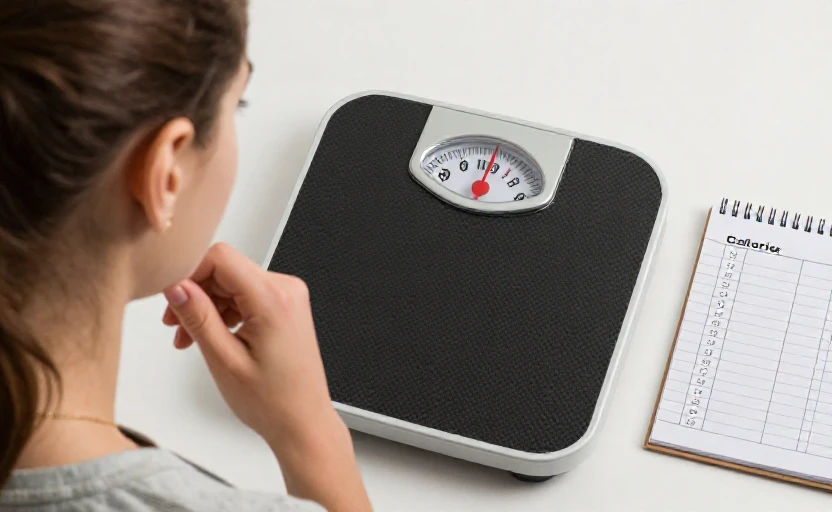
This is the most obvious red flag. A true, sustained calorie deficit should result in gradual weight loss over time. A plateau—where your weight stays the same for three to four weeks or more—signals that the deficit you think you’re in may no longer exist.
This can happen for a few key reasons. First, as you lose weight, your body requires fewer calories to function. Your new, lighter body has a lower basal metabolic rate (BMR). The calorie target that created a deficit at your starting weight may now represent your maintenance calories.
Your body adapts to weight loss by becoming more efficient, which means you need to periodically reassess your calorie needs.
Second, subtle changes often creep in. You might be less fidgety (a form of non-exercise activity thermogenesis, or NEAT), your workouts might feel slightly less intense, or small, unaccounted-for bites of food can add up. These tiny shifts can close the gap of a modest deficit.
Sign 2: You’re Constantly Fatigued, Irritable, and Cold
Weight loss isn’t supposed to feel like a constant battle against exhaustion. If you’re perpetually drained, snapping at minor annoyances, and always reaching for a sweater, your deficit might be too aggressive or your nutrition unbalanced.
Chronic fatigue is a clear signal from your body that it’s running on empty. An extreme or prolonged deficit can lead to a down-regulation of thyroid hormones and an increase in cortisol, the stress hormone. This hormonal shift slows your metabolism and promotes fat storage, particularly around the abdomen, as a survival mechanism.
Feeling cold, especially in your hands and feet, is another metabolic clue. Your body reduces peripheral blood flow to conserve heat and energy for vital organs. This isn’t a sign of “burning fat”; it’s a sign your body is trying to preserve itself.
Sign 3: Your Hunger and Cravings Are Overwhelming
Some hunger is normal when in a deficit, but it should be manageable. If you’re obsessing over food, having intense cravings (often for high-calorie, sugary, or salty foods), or experiencing a loss of control around food, your body is sounding a major alarm.
This is driven by powerful hunger hormones. Leptin (which signals fullness) decreases, while ghrelin (which signals hunger) increases. Your brain is essentially turning up the volume on hunger signals to get you to eat more and restore energy balance. Willpower can only fight biology for so long before it leads to a reactive overeat or binge.
How to Fix a Stalled Calorie Deficit
If you’re experiencing these signs, the solution isn’t to slash calories further. That often worsens the metabolic adaptation and hunger. Instead, try these strategic resets.
1. Take a Diet Break or Reverse Diet
This can feel counterintuitive, but it’s one of the most effective tools. A diet break involves eating at your current maintenance calories for 1-2 weeks. This gives your metabolism, hormones, and nervous system a chance to recover. Leptin levels can rise, cortisol can drop, and your energy should rebound.
A reverse diet is a more gradual approach, slowly adding 50-100 calories back to your daily intake each week until you reach a comfortable, sustainable maintenance level. Both strategies can help restore metabolic rate and reduce the psychological strain of dieting, making it easier to resume a modest deficit later.
2. Recalculate Your Calorie Needs
If you’ve lost weight, your calorie needs have changed. Use an online TDEE (Total Daily Energy Expenditure) calculator with your current weight to find your new maintenance number. Subtract 300-500 calories from that to establish a new, appropriate deficit. This small recalibration can be enough to restart progress.
3. Prioritize Protein and Whole Foods
Look at the composition of your calories, not just the number. Protein is the most satiating macronutrient. It helps preserve lean muscle mass during weight loss (which keeps your metabolism higher) and keeps you feeling full longer.
Aim to include a quality protein source—like chicken, fish, eggs, legumes, or Greek yogurt—in every meal. Fill the rest of your plate with fiber-rich vegetables and whole foods. This approach manages hunger automatically and ensures you get the nutrients needed for energy and recovery.
4. Audit Your Tracking and Portions
Honesty is key. For one week, measure and weigh everything you consume, including cooking oils, dressings, beverages, and snacks. It’s easy to underestimate portions, especially with calorie-dense foods like nuts, cheese, and sauces. This audit isn’t about judgment; it’s about data. You might discover a small, consistent oversight that’s keeping you in energy balance instead of a deficit.
5. Focus on Sleep and Stress Management
You cannot out-diet poor sleep and high stress. Lack of sleep disrupts leptin and ghrelin, increasing hunger and cravings. Chronic stress elevates cortisol, which can promote fat storage and hinder fat loss.
Prioritize 7-9 hours of quality sleep per night. Incorporate stress-reducing practices like walking, meditation, or deep breathing. Managing these factors supports the hormonal environment needed for a calorie deficit to work effectively.
Remember, a stall is information, not failure. It’s your body communicating that something needs to adjust. By listening to these signals and responding with strategic support rather than restriction, you can move past the plateau and continue toward your goals in a sustainable way.