You grab a snack bar on the way out the door because it looks wholesome—maybe it has oats, nuts, or a splash of fruit. The wrapper promises energy, protein, or “real ingredients.” But many of these bars are closer to candy than they are to whole food. Here are three red flags that your go-to bar might be a processed food trap.
1. Sugar (or Its Many Aliases) Is Near the Top of the List
Ingredients are listed by weight, so the first few items make up the bulk of the bar. If you see sugar, brown rice syrup, cane syrup, honey, agave nectar, fruit juice concentrate, or any other sweetener among the first three ingredients, that bar is essentially a vehicle for sugar. Some bars pack as much sugar as a frosted cookie. Look for bars where whole foods—nuts, seeds, oats—appear first, and added sugars are low or absent.
2. The Protein Hides Behind a Wall of Isolates and Starches
Many bars boast 15 to 20 grams of protein, but check the source. Soy protein isolate, pea protein isolate, and processed whey or collagen can make up a large portion of the bar. While not harmful, these highly refined protein powders lack the fiber and micronutrients you’d get from whole-protein foods like eggs, yogurt, or beans. A bar that relies on isolates often has a long shelf life but a short nutritional resume.
3. The Ingredient List Reads Like a Chemistry Lab Report
If you stumble across ingredients you can’t pronounce—or ones that sound like they belong in a plastic factory—the bar has been heavily processed. Common culprits include: soy lecithin (an emulsifier), glycerin (added for moisture and sweetness), natural flavors (a catch-all term that can include additives), and various gums and stabilizers such as xanthan gum or carrageenan. A short, simple ingredient list is a good sign; anything with more than ten ingredients should make you pause.
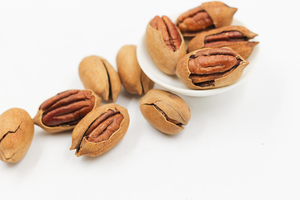
The bottom line: A truly healthy snack bar looks a lot like a handful of trail mix pressed into a shape. Read labels with the same skepticism you’d apply to a candy bar wrapper, and choose bars that list whole foods first, minimal added sugar, and no long list of additives.
That said, snack bars can be a convenient option in a pinch. The key is knowing what to look for—and what to leave on the shelf.