
When weight loss stalls, the instinct is often to exercise harder or eat less. But many people overlook one of the most effective levers: the quality of the foods already in their kitchen. Registered dietitians consistently point to a handful of processed foods that quietly undermine progress—not because they're high in calories, but because they lack the fiber, protein, and nutrients that help regulate appetite and metabolism.
Swapping these four common items for whole-food alternatives can create a calorie deficit without drastic portion cutting. Below, dietitians explain why each swap works and how to make it stick.
Why These Four Swaps Matter for Weight Loss
Processed foods are designed for convenience, not satiety. They tend to be low in volume and high in refined carbohydrates, added sugars, or unhealthy fats, which can spike blood sugar and leave you hungry soon after eating. Whole foods, by contrast, deliver more fiber, water, and protein per calorie—factors that research links to better appetite control and easier weight management.
The four swaps below target the most common processed staples that dietitians see derailing clients' progress. Each substitution is simple, affordable, and backed by nutrition science.
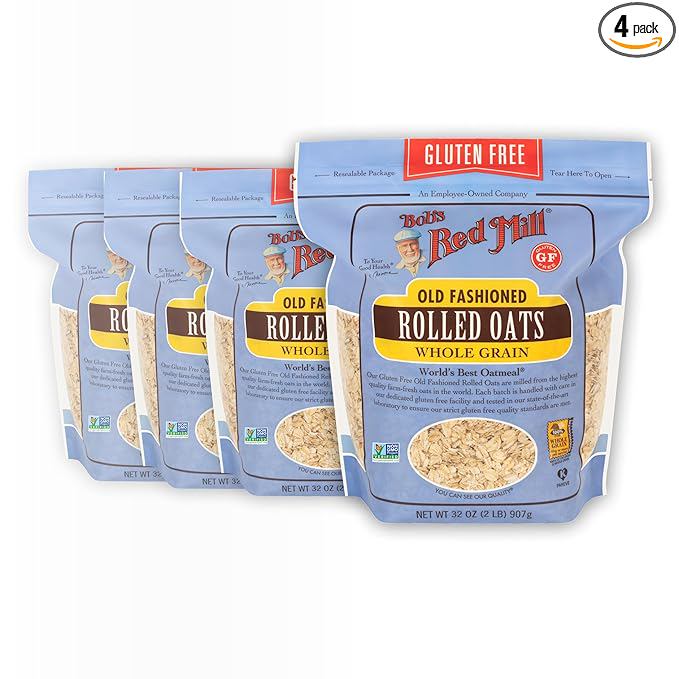
Swap #1: Sugary Breakfast Cereal for Rolled Oats or Greek Yogurt with Berries
Many breakfast cereals, even those marketed as healthy, contain 10–20 grams of added sugar per serving and very little fiber. This combination leads to a rapid blood-sugar spike followed by a crash that triggers mid-morning hunger. Dietitians recommend replacing cereal with either a bowl of rolled oats (topped with cinnamon and a handful of berries) or plain Greek yogurt with fresh fruit.
Why it works: Oats provide soluble beta-glucan fiber, which slows digestion and promotes fullness. Greek yogurt packs 15–20 grams of protein per serving, helping stabilize blood sugar and reduce snacking later.
To ease the transition, start by mixing half your usual cereal with half oats, then gradually shift the ratio. Within a week, most people find the whole-food version just as satisfying.
Swap #2: White Bread and Refined Wraps for Whole-Grain or Sprouted-Grain Alternatives
White bread and standard tortilla wraps are made from refined flour that has been stripped of its fiber and nutrients. They digest quickly, spiking insulin and promoting fat storage. Dietitians suggest swapping these for bread or wraps made with 100% whole grains, sprouted grains, or seed-based alternatives.
Look for products where the first ingredient is “whole wheat,” “whole oats,” or “sprouted whole grain,” and that contain at least 3 grams of fiber per serving. Sprouted-grain breads often have a slightly nutty flavor and hold up well for sandwiches and toast. For wraps, corn tortillas or collard green leaves can replace processed flour versions.
This single swap can reduce refined-carb intake by 30–50 grams per day without changing the rest of your meal—enough to create a noticeable calorie deficit over several weeks.
Swap #3: Flavored Yogurt and Instant Oatmeal Packets for Plain Versions with Fresh Toppings
Flavored yogurt and instant oatmeal packets are two of the most deceptive processed foods. A single serving can contain as much sugar as a candy bar, often from added cane sugar, honey, or fruit syrups. Dietitians recommend choosing plain yogurt (Greek or regular) and plain rolled or steel-cut oats, then adding sweetness and flavor yourself.
Try these toppings instead of the pre-sweetened mix: fresh or frozen berries, a sliced banana, a drizzle of unsweetened almond milk, a sprinkle of cinnamon, or a teaspoon of nut butter. You control the sugar and get more fiber and antioxidants from the fruit. Most people reduce added sugar by 10–15 grams per serving with this switch.
If the plain taste is too stark initially, mix one flavored packet with two plain packets to wean off gradually. Over two to three weeks, your taste buds adjust, and the sweetened versions start to taste overwhelmingly sugary.
Swap #4: Sugary Coffee Creamers and Flavored Syrups for Unsweetened Milk or a Dash of Cinnamon
Liquid calories are easy to ignore, but they add up fast. Many coffee creamers list water, sugar, and hydrogenated oils as top ingredients. A two-tablespoon serving can contain 5–7 grams of added sugar, and most people pour in far more. Over the course of a morning, that can mean 100–200 empty calories before you've eaten anything.
Dietitians suggest switching to unsweetened almond milk, oat milk, or a splash of whole milk. For flavor, add a dash of cinnamon, vanilla extract, or unsweetened cocoa powder. These add aroma and taste without the sugar. Some people find that switching to black or cold-brew coffee eventually feels more refreshing, but that's not necessary for results—just swapping the creamer saves significant calories and reduces daily sugar intake.
Pro tip: If you miss the sweetness, try a sugar-free, unsweetened flavored stevia drop. A few drops add sweetness without calories or artificial aftertaste.
How to Make These Swaps Stick Long-Term
Changing eating habits is rarely about willpower alone. Dietitians recommend a few strategies to make these swaps feel like upgrades rather than sacrifices:
- Prep in advance: Cook a batch of rolled oats or hard-boil eggs at the start of the week. Pre-portion berries into small containers. When a whole-food option is as quick to grab as a processed one, you're far more likely to choose it.
- Don't aim for perfection: If you eat a processed version occasionally, that's fine. The goal is a general shift in your daily pattern, not a rigid ban. Consistency matters more than perfection.
- Pair swaps with protein: For best satiety, pair each whole-food swap with a source of protein—add nuts to oatmeal, a hard-boiled egg with toast, or a scoop of collagen to your coffee. This further stabilizes blood sugar and reduces cravings.
- Track without obsession: Use a simple food diary or app for a few days just to see where the processed items creep in. Awareness alone often nudges people toward better choices.
The most sustainable weight loss comes from small, consistent changes that align with your preferences and lifestyle. These four swaps are a straightforward starting point—one that dietitians have seen work for hundreds of clients. Give each one a try for a week and notice how your energy, hunger, and cravings shift. The scale will often follow.