When you're trying to lose weight, the usual advice is straightforward: cut calories, eat more vegetables, and choose whole foods over processed ones. But the truth is, many so-called "healthy" or "diet-friendly" processed foods are working against you. They hide ingredients that stall progress, spike cravings, and quietly undo your efforts. Here are five processed foods that secretly sabotage weight loss—and what to reach for instead.
The Granola and Cereal Trap
Granola sounds wholesome. Oats, nuts, dried fruit—what could go wrong? A lot, as it turns out. Many commercial granolas are bound with added sugars, oils, and syrups that turn a fiber-rich start into a calorie bomb. A single cup can pack as much sugar as a candy bar. The same goes for breakfast cereals. Even the ones labeled "high fiber" or "made with whole grains" often contain malt syrup, honey, or evaporated cane juice as the second or third ingredient.
If you enjoy granola, check the label. Look for options with fewer than 6 grams of sugar per serving, and stick to a quarter-cup as a topping rather than a bowlful. Better yet, make your own at home so you control the sweetness.
Flavored Yogurt: A Wolf in Sheep's Clothing
Yogurt is a classic diet staple—probiotics, protein, calcium. But the flavored kind, especially fruit-on-the-bottom or dessert-inspired varieties, can contain as much sugar as a serving of ice cream. Manufacturers add fruit purees, syrups, and modified food starch to achieve that creamy sweetness. Your body digests that sugar quickly, which can spike blood glucose and leave you hungry again within an hour.
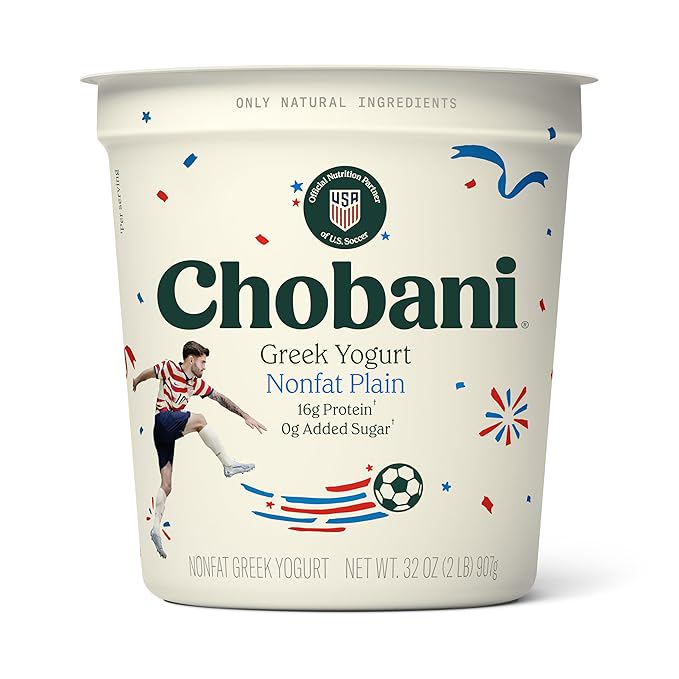
Plain Greek yogurt is a smarter choice. It packs more protein per serving, and you can sweeten it yourself with fresh berries or a drizzle of honey. That way, you control the sugar—and the calories.
Tip: If you can't tolerate plain yogurt, try a brand with no added sugar and stir in a teaspoon of jam. You'll save 10 to 15 grams of sugar per serving.
Diet Soda and Zero-Calorie Drinks
Think you're doing your waistline a favor by swapping soda for diet versions? Research suggests the opposite may be true. Artificial sweeteners like aspartame, sucralose, and saccharin can alter the gut microbiome and confuse the brain's reward system. Some studies link them to increased cravings for real sugar and a higher overall calorie intake later in the day. Diet soda may also be associated with increased belly fat storage over time.
Instead of diet soda, try sparkling water with a squeeze of lemon or lime. If you need a caffeine fix, unsweetened tea or black coffee won't trick your metabolism the same way.
Low-Fat and Fat-Free Salad Dressings
When manufacturers remove fat from a product, they have to replace it with something to maintain texture and taste. In most low-fat and fat-free dressings, that something is sugar, corn syrup, or maltodextrin. You end up with a bottle that has almost as many calories as the full-fat version—but fewer of the healthy fats that help you absorb fat-soluble vitamins like A, D, E, and K.
Missing those fats also means you feel less satisfied after your salad. You may find yourself snacking sooner. A simple vinaigrette made with olive oil, vinegar, and a pinch of salt and pepper is far more effective for weight management. If you buy bottled dressing, look for one with a short ingredient list and no added sugars.
Protein and Energy Bars
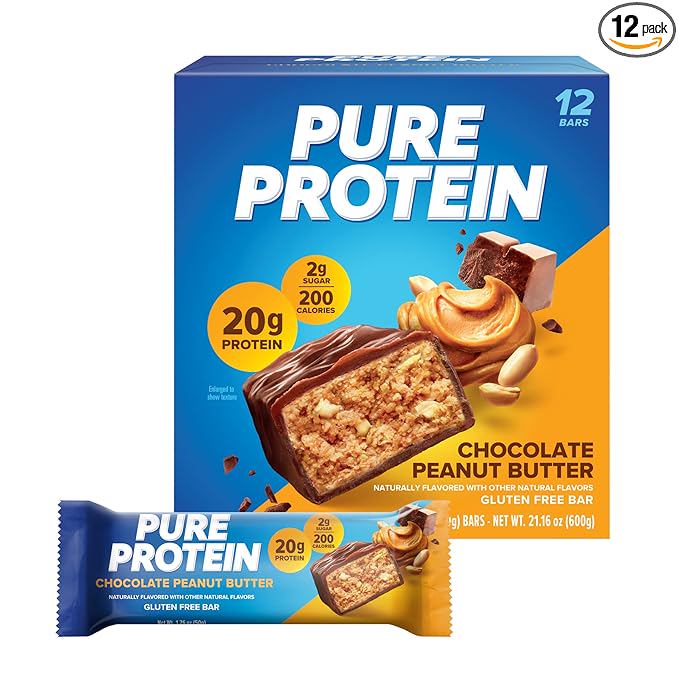
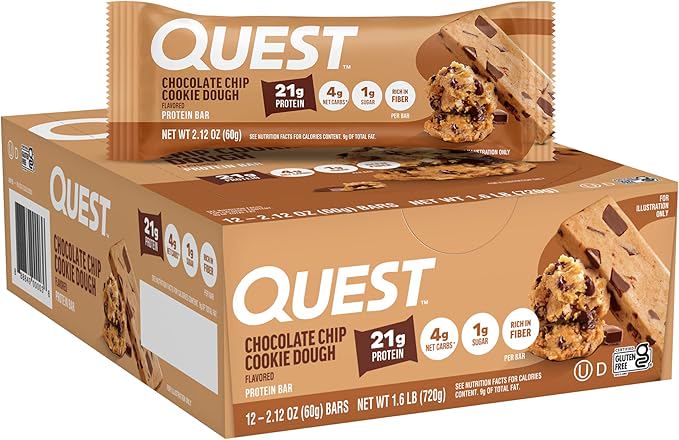
Protein bars seem like a perfect snack for weight loss: portable, filling, and packed with muscle-repairing protein. But many of them are essentially candy bars in disguise. Some contain more than 20 grams of sugar, plus a long list of additives like palm kernel oil, soy protein isolate, and artificial fibers that can cause bloating and digestive upset.
Not all bars are equal. Look for ones with fewer than 10 grams of sugar, at least 15 grams of protein, and whole-food ingredients like nuts, seeds, and dates. Or skip the bar entirely and grab a handful of almonds and an apple. It's cheaper, simpler, and more satiating.
A Note on Mindful Eating
Sneaky processed foods matter, but so does your overall pattern of eating. If you incorporate any of these foods occasionally—in reasonable portions—they are unlikely to derail your progress. The problem arises when they become daily staples without you realizing how many empty calories or hidden sugars they contain.
Read labels. Look for added sugar under any name (syrups, cane juice, dextrose, maltose, fruit juice concentrate). Watch for serving sizes—a bag of trail mix may list 150 calories per serving, but if you eat the whole bag, the real number is triple that.
Finally, remember that no single food causes weight gain. It's the overall dietary pattern that matters. Choose foods that keep you satisfied, stabilize your energy, and provide real nutrients—not empty promises in a shiny wrapper.