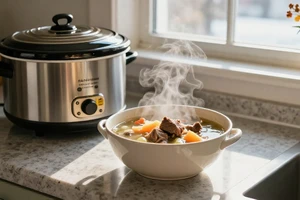

There's almost nothing better than coming home to the smell of a slow cooker meal that's been simmering all day. But if you've ever prepped a batch of stew, chili, or curry on Sunday only to find it tastes flat or watery by Wednesday, you're not imagining things. The same convenience that makes slow cookers a weeknight hero can also work against the flavor and nutritional value of your food over time. Understanding what happens inside that pot can help you adjust your methods and keep those leftovers tasting fresh.
When food sits in a slow cooker for extended periods—or is cooled and reheated multiple times as part of meal prep—a few physical and chemical changes take place. While some of these are harmless, others can diminish the very things you're aiming for: robust taste and solid nutrition. Let's break down what's really going on in your slow cooker and how to work around it.
What happens to flavor during long, slow cooking?
Slow cookers are designed for low, steady heat over several hours. That gentle simmer does wonders for breaking down tough cuts of meat and melding flavors together. But when you stretch that cooking time too far—or when you leave the finished dish on the 'warm' setting for hours—flavor compounds start to degrade.
Delicate aromatic compounds found in herbs like parsley, cilantro, and basil are particularly vulnerable. These volatile oils evaporate or break down after prolonged heat exposure, leaving your dish tasting muted or one-dimensional. Similarly, certain spices—think paprika, cayenne, or ground cumin—can turn bitter if they cook too long. This is why many experienced slow cooker users add fresh herbs and bright spices near the end of cooking, not at the beginning.
Tip: If you're meal-prepping a slow cooker dish, reserve half of your dried herbs and spices until just before serving. You'll get a much brighter, fresher flavor.
Another flavor thief? Condensation. Slow cooker lids trap steam that drips back into the food, which can dilute the concentrated flavors you worked to build. When you store and reheat the same dish over several days, that dilution effect can compound.
Nutrient loss: What the heat takes away
Heat is the enemy of several heat-sensitive vitamins. Vitamin C, for example, begins to degrade at around 86°F (30°C) and is largely destroyed by the time food reaches a simmer. The same goes for many B vitamins, especially thiamin (B1) and folate (B9). When you cook a meal for six to eight hours in a slow cooker, you're exposing those nutrients to prolonged heat, which accelerates their breakdown.
This doesn't mean slow cookers are unhealthy—far from it. Many minerals like iron, potassium, and magnesium hold up well to heat. And the moist cooking environment can actually help preserve some nutrients that might be lost in dry-heat methods like roasting. But if you're relying on slow-cooked meals for a significant portion of your vitamin C or B vitamin intake, it's worth noting that the levels will decrease the longer the food cooks and the more times it's reheated.
Water-soluble vitamins also leach into the cooking liquid. If you discard the broth or sauce in a slow cooker dish, you're pouring a good portion of the nutrition down the drain. The good news? If you eat the entire dish—broth and all—you reclaim most of those lost nutrients.
The moisture problem: Texture and leftover quality
Beyond flavor and nutrients, texture takes a hit during extended slow cooking and subsequent storage. Vegetables like potatoes, carrots, and zucchini absorb liquid over time. They can turn mushy or waterlogged, especially when reheated. Proteins like chicken breast or lean pork can become dry and stringy if cooked too long, even in a moist environment.
When you meal-prep a slow cooker meal and store it in the fridge, the starches in grains and legumes can continue to change. Rice, barley, or lentils may absorb more liquid overnight, turning a balanced stew into something that resembles porridge by day two. Meanwhile, fats can separate and congeal on the surface, giving the dish an unappealing greasy layer when reheated.
How to keep your slow cooker meals tasting great and nutrient-rich
You don't need to abandon slow cooker meal prep. A few practical adjustments can make a real difference in how your food holds up over the week.
- Add delicate ingredients late: Stir in fresh herbs, lemon juice, or vinegar-based ingredients during the last 15 to 30 minutes of cooking. Leafy greens like spinach or kale should go in even later—just until they wilt.
- Don't cook on 'warm' for hours: Once your dish is done, turn the slow cooker off and transfer leftovers to shallow containers to cool quickly. Prolonged time on the warm setting continues to degrade flavor and nutrients.
- Cook grains and pasta separately: If your recipe calls for rice, quinoa, or noodles, cook them on their own and add them only to individual servings. This prevents them from turning mushy in the fridge.
- Store sauce separately when possible: For saucy dishes like pulled pork or shredded chicken, store the meat and sauce apart. Reheat the meat gently with only enough sauce to moisten it.
- Reheat gently: Use the stovetop or microwave at reduced power to warm leftovers slowly. Boiling or scorching can worsen texture and nutrient loss.
The bottom line on make-ahead slow cooker meals
Slow cookers remain one of the easiest ways to get a home-cooked dinner on the table with minimal active effort. Understanding that flavor and nutrients take a hit during extended cooking doesn't mean you should stop using one. It simply means you can be smarter about how you build your meals, when you add certain ingredients, and how you store and reheat the finished product. With a little foresight, your Tuesday leftovers can taste almost as good as Sunday's first serving.