
Slow cookers are famous for convenience, but many home cooks worry that long, slow heat drains nutrients from vegetables and meats. The truth is more nuanced—and with the right techniques, your Crock-Pot or Dutch oven can actually preserve and even boost the vitamin content of your meals. Here are four meal prep strategies that help you get the most nutrition out of every batch.
Use the "Minimal Liquid" Rule
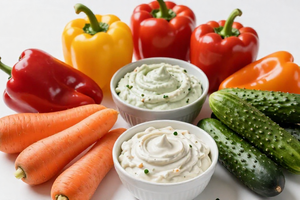
Water-soluble vitamins—especially vitamin C and most B vitamins—leach into cooking liquid. When you fill the slow cooker with quarts of broth or water, those vitamins end up in the pot juice rather than on your plate. For better retention, add just enough liquid to barely cover the ingredients. Vegetables like carrots, zucchini, and bell peppers release their own moisture as they cook, so you often need less than you think.
Cut Vegetables Into Larger Chunks
More surface area means more nutrient loss. Instead of dicing everything into tiny cubes, cut root vegetables into halves or thick wedges. This reduces the exposure of heat-sensitive vitamins to the cooking environment. For example, halved sweet potatoes retain significantly more beta-carotene than diced ones after four hours on low. The same principle applies to onions, parsnips, and even garlic cloves.
Add Delicate Ingredients Late
Leafy greens, fresh herbs, and quick-cooking vegetables like peas or spinach should never go in at the start. Their vitamins degrade rapidly with prolonged heat. Stir in chopped kale, parsley, or frozen peas during the last 15 to 20 minutes of cooking. This preserves their color, texture, and nutrient density. For a boost of vitamin C, squeeze fresh lemon or lime juice over the finished dish just before serving.
Pair Ingredients That Boost Absorption
Some nutrients become more bioavailable when combined with specific foods. For instance, the iron in beans and lentils is absorbed better when paired with vitamin C-rich ingredients like diced tomatoes or bell peppers. Similarly, the fat-soluble vitamins A, D, E, and K found in carrots, leafy greens, and squash are more usable by the body when cooked with a small amount of healthy fat such as olive oil or coconut milk. Including these pairings in your slow cooker recipes increases the practical nutrition you get from each serving.
A quick caveat: While these methods help retain vitamins, slow cooking is still excellent for making minerals like potassium, magnesium, and zinc more available than raw or quick-cooked methods. The trade-off is often a net gain in overall mineral absorption.
Sample Meal Prep: Vitamin-Friendly Chicken and Vegetable Stew
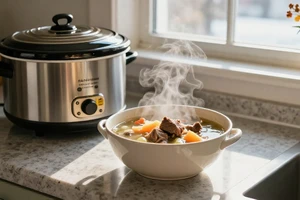
As a concrete example of these principles in action, try this: Place large chunks of carrot, celery, and potato at the bottom of the slow cooker. Add bone-in chicken thighs (skin removed) and pour in just enough low-sodium broth to cover the vegetables halfway. Cook on low for six hours. Thirty minutes before serving, stir in chopped kale and a cup of cherry tomatoes. Finish with a squeeze of lemon. This approach minimizes nutrient loss while delivering a mineral-rich, satisfying meal.
By adjusting your prep and timing, you can enjoy the convenience of slow cooking without sacrificing the nutritional quality of your meals. Small changes—larger cuts, less water, late additions, and smart pairings—make a meaningful difference.