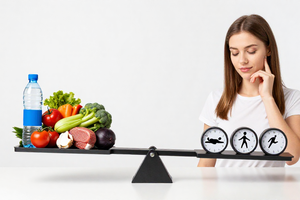

The idea that shrinking your plate automatically shrinks your waistline has become a kind of dieting dogma. Eat less, lose weight—it sounds simple. But the reality is more complicated. The number of meals you eat and their size are only part of the story. What really matters is what’s on that smaller plate and how your body responds to it.
A smaller meal might still be calorie-dense if it’s loaded with fats, sugars, or refined carbohydrates. A modest bowl of granola with nuts and dried fruit, for instance, can pack as many calories as a larger plate of vegetables and lean protein. Portion size alone doesn't determine calorie load; the composition of the food does.
Why meal frequency isn't a calorie shortcut
Eating six small meals a day has been promoted for years as a way to stoke your metabolism. The theory was that frequent eating keeps your metabolic furnace burning hot. However, research has largely debunked that idea. Studies show that total daily energy expenditure is not significantly affected by meal frequency when total calorie intake is the same. Your body doesn't burn extra calories just because you spread them out.
What often happens with smaller meals is something else: people end up eating more overall. They may not feel satisfied after a tiny meal, so they grab a snack an hour later. Those snacks can add up quickly—a handful of almonds here, a piece of cheese there—and before you know it, the day's total is higher than it would have been with three moderate meals.
The hidden calories in "light" foods
Foods marketed as light, low-fat, or diet-friendly are another trap. Removing fat often means adding sugar or starches to improve taste. A small fat-free yogurt might contain as much sugar as a cookie. A light salad dressing can be deceptively high in added sweeteners. The smaller portion size creates a false sense of security, making it easier to consume more without noticing.
Just because the bowl is small doesn't mean the calorie count is light. Read ingredient lists, not just serving sizes.
How your brain responds to small meals
There's also a psychological dimension. When we eat something we perceive as small or dietetic, we often give ourselves permission to add extras—extra cheese, a second slice of bread, a larger dessert later—because we feel we've "saved" calories. This compensation effect can undo any calorie deficit from the smaller meal.
Additionally, small meals that lack protein, fiber, or healthy fat may leave you feeling hungry soon after. Hunger triggers snacking, often on convenient, calorie-dense foods like chips, granola bars, or sugary coffee drinks. These add-ons are easy to overlook when counting only the main meals.
What matters more than meal size
Instead of focusing solely on shrinking portions, consider nutritional density. A smaller meal that's rich in vegetables, lean protein, and whole grains will satisfy you longer and provide more nutrients per calorie than a larger meal of processed foods. Fiber and protein both promote satiety, making it easier to stick to your overall calorie goals without constant hunger.
There is also growing evidence that when you eat may matter as much as how much. Some research suggests that limiting food intake to a 8–10 hour window each day (time-restricted eating) can help with weight management, independently of meal size. This pattern naturally reduces late-night snacking and gives your body longer daily fasting periods.
How to make smaller meals work for you
If you prefer eating smaller, more frequent meals, that can still work—but only if you plan carefully. Each mini-meal should contain a balance of protein, fiber, and healthy fat. For example, an apple with a tablespoon of peanut butter, or a small bowl of Greek yogurt with berries, provides staying power that a low-fat crackers or a rice cake doesn't.
Track your total intake for a few days using a food diary or app. This isn't about obsession; it's about awareness. Many people are surprised to discover that their small meals, combined with snacks and beverages, actually exceed their maintenance calories.
Ultimately, weight management comes down to energy balance over time, not meal size or frequency in isolation. A smaller plate can be a useful tool, but only when the foods on it are chosen wisely and the rest of your day's eating is accounted for.
The takeaway is simple: Don't assume that small meals automatically mean low calories. Look at the whole picture—nutrient density, satiety, hidden sources of sugar and fat, and your own hunger cues. A thoughtful approach beats a simple rule every time.