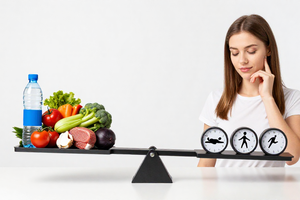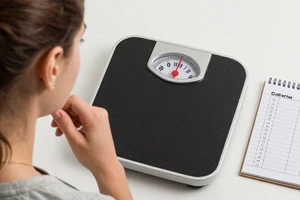
You track your meals, weigh your vegetables, and measure your olive oil. Yet the scale doesn't budge, or you feel hungrier an hour after eating. The culprit might be in your glass. Many popular beverages sneak in calories, disrupt hunger hormones, or trigger cravings in ways that quietly undermine portion control. Here is a look at five common drinks — and what a dietitian wants you to know about each one.
1. Sugary soda and fizzy drinks
Liquid sugar bypasses many of your body's fullness signals. When you drink a can of regular soda, you consume roughly 150–200 calories without any protein, fiber, or fat to slow absorption. Research shows that people do not compensate for these calories by eating less later — they simply add them on top of their usual food intake. Over time, this pattern can expand your overall calorie budget and make it harder to stick to sensible portions.
Dietitian tip: If plain water feels too boring, try sparkling water with a squeeze of lemon or a few muddled berries. You keep the fizz without the sugar hit.
2. Fancy coffee shop creations
Your morning latte might look innocent, but specialty coffee drinks often contain more sugar than a candy bar. A medium flavored latte with whipped cream can pack 400–500 calories, mostly from syrups and whole milk. Because these drinks don't register as a meal, you might still eat a full breakfast — and then wonder why your portions feel tight by lunchtime.
Dietitian tip: Order a small size, ask for unsweetened milk alternatives or skim milk, and skip flavored syrups. A dash of cinnamon can add sweetness without the sugar.
3. Bottled smoothies and green juices
Store-bought smoothies and juices often strip away the fiber from whole fruits and vegetables. Without fiber, your body absorbs the sugar rapidly, causing a quick spike and then a drop in blood glucose. That crash can leave you craving carbs a short while later, making it difficult to stop at one serving of anything. Some bottles contain 40–60 grams of sugar — more than many desserts.
Dietitian tip: If you love smoothies, make your own at home so you control what goes in. Blend a whole piece of fruit (skin on, when possible), a handful of greens, plain yogurt or a plant-based protein, and a source of healthy fat like chia seeds. That combination supports steady energy and better portion control throughout the day.
4. Alcohol, especially cocktails and beer
Alcohol affects judgment and lowers inhibitions, which can directly impact your ability to gauge portion sizes. A glass of wine or beer adds 100–200 calories on its own, but the bigger issue is what happens afterward. Studies show that alcohol increases appetite and reduces sensitivity to internal fullness cues. That's why a second slice of pizza or an extra handful of chips often follows a second drink.
Dietitian tip: If you choose to drink, stick with one standard serving (5 ounces of wine, 12 ounces of beer, or 1.5 ounces of spirits) and pair it with a glass of water. Sip slowly and eat a protein-rich snack beforehand to blunt the effect on your appetite.
5. Energy drinks and sweetened teas
Energy drinks and bottled iced teas are often marketed as healthy or performance-boosting, but many contain as much sugar as soda. A typical 16-ounce energy drink can have 50–60 grams of added sugar. Beyond the empty calories, the caffeine and sugar combination can disrupt sleep and elevate stress hormones, both of which are linked to increased hunger and poor food choices the next day.
Dietitian tip: Read the label. Look for drinks with fewer than 5 grams of sugar per serving. Unsweetened green tea or black coffee provide a gentle energy lift without sabotaging your portions.
Small swaps in what you drink can make a real difference in how easily you manage portions at meals. Not all beverages are created equal — your glass matters as much as your plate.
Being mindful about beverages is one of the simplest ways to support your nutrition goals. You don't have to eliminate every treat, but recognizing which drinks tend to work against your portion control efforts gives you the power to choose wisely. Your body's hunger signals will thank you.