When you're trying to manage portions, it's natural to reach for measuring cups. They seem precise, logical, and foolproof. But here's what many well-meaning people discover the hard way: measuring cups can actually undermine your portion control efforts. They measure volume, not hunger, and they don't teach you how to recognize appropriate serving sizes by sight—a skill you actually need when you're eating away from home or preparing a meal without your measuring set nearby.
Reliance on measuring cups can also create an unnecessary sense of rigidity around eating. When you feel you can't eat unless you've precisely measured your oatmeal or your rice, you're outsourcing your internal cues to a tool. Over time, that can weaken your ability to listen to your own body's signals about fullness and satisfaction. Let's explore why this happens and what you can do instead.
Why Measuring Cups Fall Short
Measuring cups are designed for baking, where exact ratios matter. For everyday meals, though, they can cause several problems:
- They don't account for food density. A cup of loosely packed spinach is very different from a cup of grated cheese, yet both are measured as "one serving." Calorically, they're worlds apart.
- They ignore how you actually plate food. Spooning rice into a cup, leveling it off, and then tipping it onto your plate is awkward. You're more likely to skip the measuring step entirely when you're in a hurry—then guess at portions, often overestimating.
- They can create an all-or-nothing mindset. If you don't have your measuring cup available, you may feel lost and either skip the meal or eat far more than you intended.
Portion control is ultimately about consistency and awareness, not laboratory precision. The goal is to build an intuitive sense of appropriate amounts that works whether you're eating at home, at a friend's house, or at a restaurant.
Better Approaches to Portion Control
Instead of relying on measuring cups for every meal, nutrition experts suggest methods that are easier to sustain and more practical in real-life situations. Here are three effective alternatives that shift the focus from volume to visual cues and mindful eating.
The Hand Portion Method
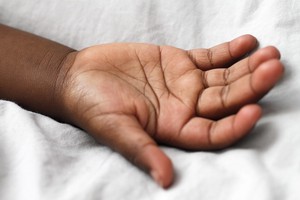
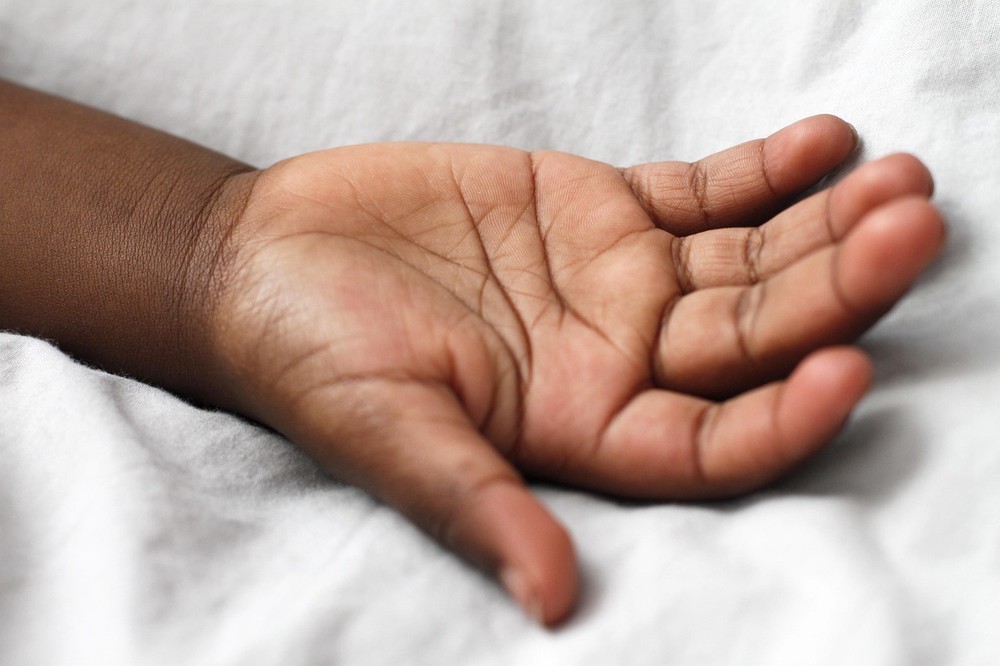
Your hand is always with you, and it's roughly proportional to your body size. This method uses hand shapes as portion guides:
- Your palm (without fingers) = one serving of protein (chicken, fish, tofu, meat). For women, this is about 3–4 ounces; for men, about 4–6 ounces.
- Your fist = one serving of vegetables, whole grains, or fruit. Aim for at least two fists of vegetables at lunch and dinner.
- Your cupped hand = one serving of grains, starchy vegetables, or legumes (about ½ cup to 1 cup depending on the food).
- Your thumb = one serving of oils, nut butters, or other fats (about 1 tablespoon).
This method works because it's always available, it's easy to learn, and it naturally adjusts to different body sizes. A larger person's hand will be bigger, giving them a larger recommended portion—which makes sense because their caloric needs are higher.
Quick tip: Spend a week practicing the hand method alongside your measuring cups for comparison. You'll quickly learn to estimate accurately and can gradually phase out the cups.
Visual Comparisons
Another powerful technique is to associate portions with everyday objects. These comparisons are easy to remember and don't require any tools:
- A deck of cards or the palm of your hand (without fingers) = a serving of meat, poultry, or fish.
- A tennis ball or a medium-sized fist = a serving of fruit or grains (about ½ cup to 1 cup).
- A baseball = a serving of cooked vegetables (about 1 cup).
- A golf ball or your thumb tip = a serving of nut butter or oil (about 1 tablespoon).
- Four stacked dice = a serving of cheese (about 1 ounce).
You can memorize just two or three of these and already have a practical framework for portion control at any meal.
When to Keep the Measuring Cups (and When to Let Go)
Measuring cups and spoons are not inherently bad tools. They have their place. The mistake comes from relying on them as the only method for portion control. Here's a balanced approach:
Use measuring cups occasionally to "calibrate" your eye. For example, if you're unsure what ½ cup of cooked rice looks like on your plate, measure it once or twice to remind yourself. After that, try to rely on the visual or hand method.
Keep measuring cups for specific situations where precision is genuinely helpful—such as when cooking a new recipe, tracking macros very closely for a short period under professional guidance, or portioning out snacks to take to work.
Let them go as your primary tool once you feel comfortable estimating. The goal is to develop a skill that doesn't depend on any equipment. If you find yourself feeling anxious about eating a meal without measuring first, that's a sign you may be over-relying on the tool.
Practical Steps to Transition Away from Measuring Cups
If you've been using measuring cups for a while, the shift doesn't have to happen overnight. Here's a gradual process:
- Start with one meal. Pick breakfast or lunch—whichever is simplest—and practice portioning without measuring cups for a week. Use the hand or visual method.
- Check yourself periodically. Once a week, measure a portion with a cup to see how close your estimate is. Most people are surprised at how accurate they become after just a few days.
- Expand to other meals. Once you feel confident with one meal, apply the same approach to dinner and snacks.
- Focus on hunger and fullness. Portion control works best when combined with mindful eating. Eat slowly, pause halfway, and ask yourself if you're still hungry before taking more.
This process builds both skill and confidence. Over time, you'll find that you no longer need measuring cups to know whether a portion is appropriate—you simply see it and know.
The Bottom Line on Measuring Cups and Portion Control
Measuring cups are a useful starting point for learning about portion sizes, but they should not become a permanent crutch. True portion control is about developing a flexible, intuitive sense of appropriate amounts that works in the real world—without tools, without anxiety, and without the false precision of volume measurement.
By shifting to hand-based and visual methods, you'll gain a skill that travels with you, that adjusts naturally to your body size, and that helps you stay consistent whether you're eating at home, at a restaurant, or on vacation. That's the kind of portion control that actually supports long-term health and wellness.